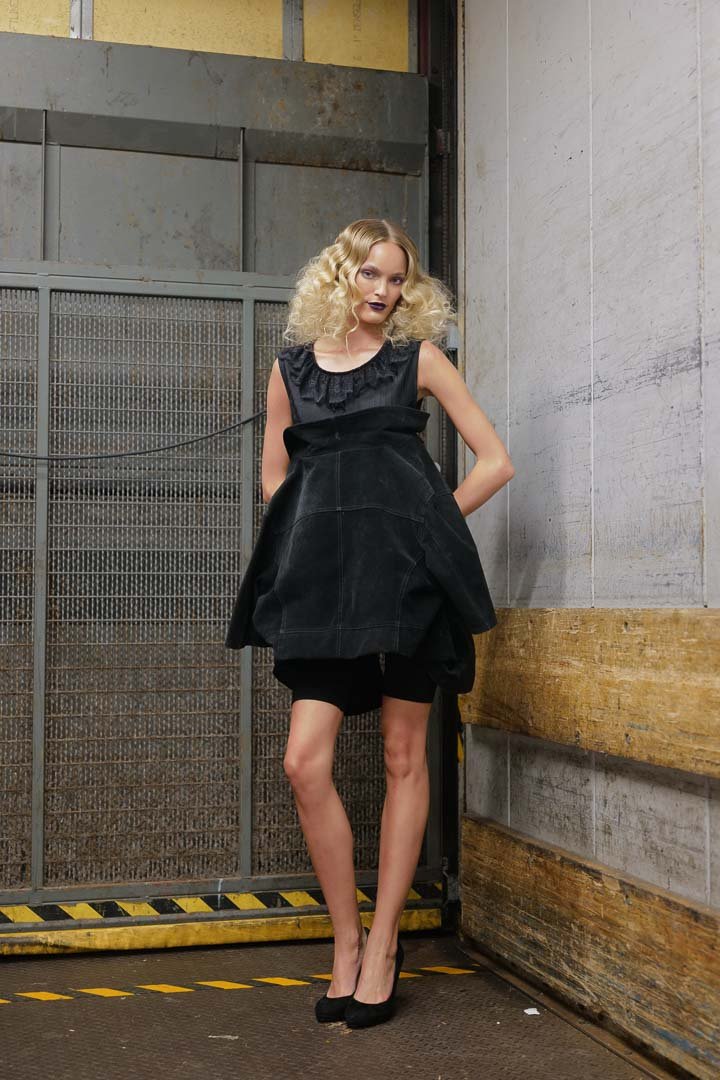
Alejandro Bárzaga’s Upcycled Collection: Nothing Bought, Everything Found at Goodwill
The most important principle in communication is understanding; people don’t care how much you know until they know how much you care. The longevity of fashion has long depended on designers’ ability to either create something that’s never been seen before or to reinvent the wheel. Cuban-born fashion designer Alejandro Piedra Bárzaga’s upcycled collection, presented at Goodwill South Florida’s signature event of 2026, Rhythm & Threads, just did both
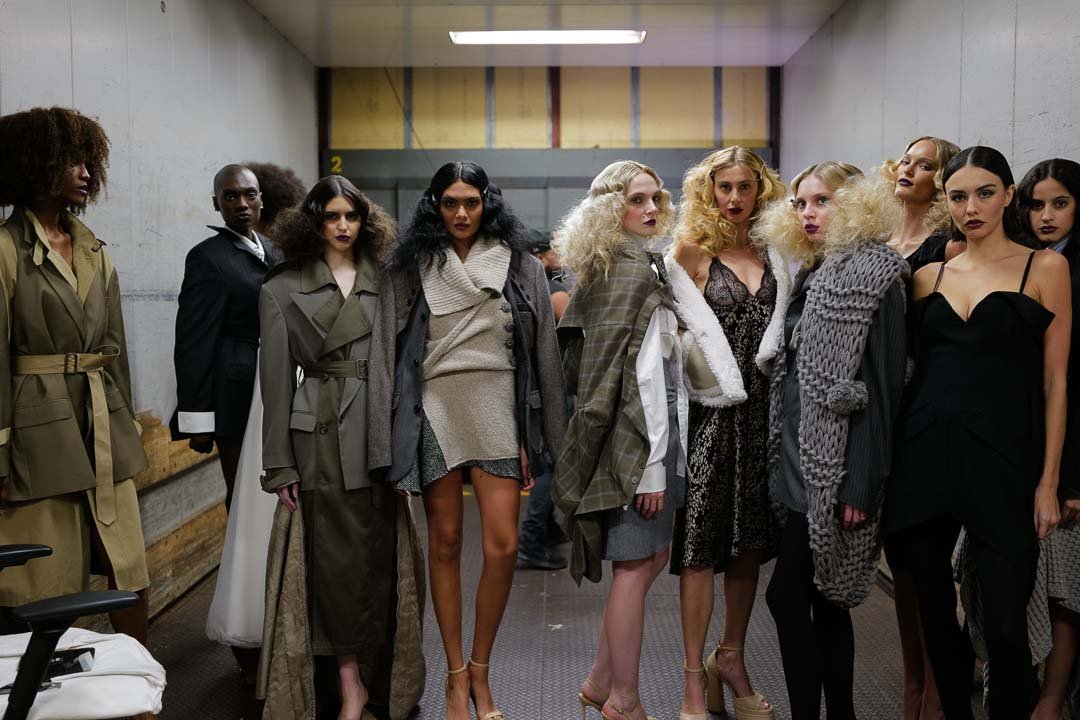
Bárzaga is a Cuban luxury house founded in Miami on January 18, 2024, with Alejandro serving as creative director and founder. Just recently, before the eyes of over 700 of South Florida’s most impactful individuals, Bárzaga debuted an entirely upcycled collection, featuring 28 womenswear looks, stating everything is “100% upcycling, nothing bought nor sourced outside of Goodwill”. In conversation, Alejandro gives insights into his curation process, sharing that he wasn’t only looking to source brands he knew and loved, but intentionally prioritized textiles, color, technique, and silhouette potential. Across the collection, suiting fabrics, 100% wool jackets, collared dress shirts, and neckties were reinterpreted through various techniques, tailoring a show rooted in the creativity required to turn something often overlooked into something extraordinary.
A Visual Language Rooted in Decay and Survival
As a fashion house, Bárzaga draws from a visual “ language rooted in decaying architecture, fragmented histories, and the beauty that survives them”. When a certain level of emotional communication is rudimentary to translate a designer’s ability to be received by all whom they wish to reach with their work; only few alike can ever balance the weight of designing like language, yet sticking out like dialect. Alejandro Bárzaga takes the origins of each garment on display and reimagines them, transforming the familiar into something exceptional.
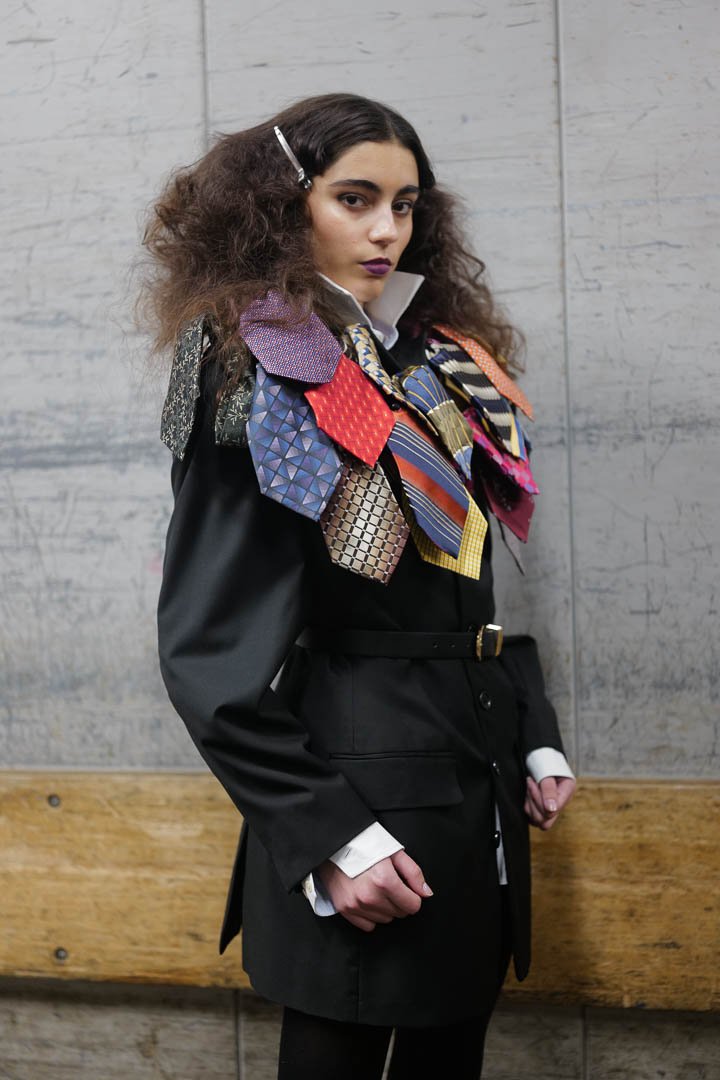
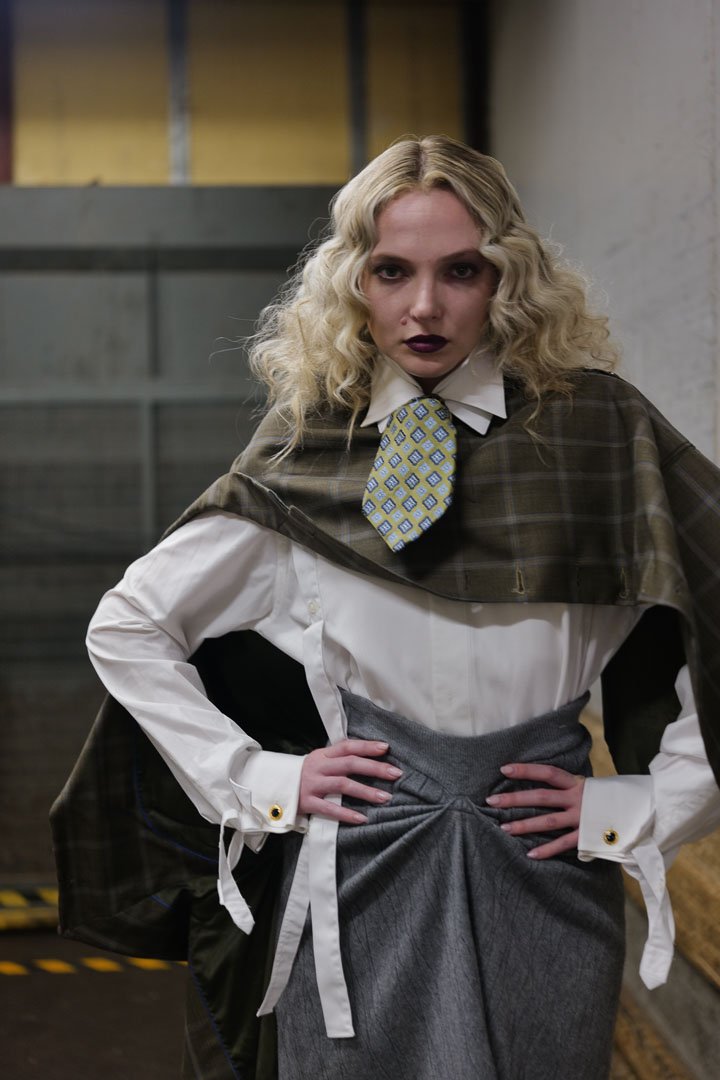
Alejandro’s technical command of garment manipulation was particularly evident throughout the collection. Fish-eye darts strategically removed fullness in specific areas, while bias-cut fabrics followed the body’s contours. Together, these techniques demonstrated the possibilities of reimagining multi-garment constructions. Highlighting the creative processes behind looks 8, 16, and 22, Alejandro Bárzaga reveals a shared technical approach among all three: “each features neckties cut and entirely reshaped to give more volume to the neckline”. A note worth remembering: it is the details that create the story.
Backstage with the Models and Student Volunteers
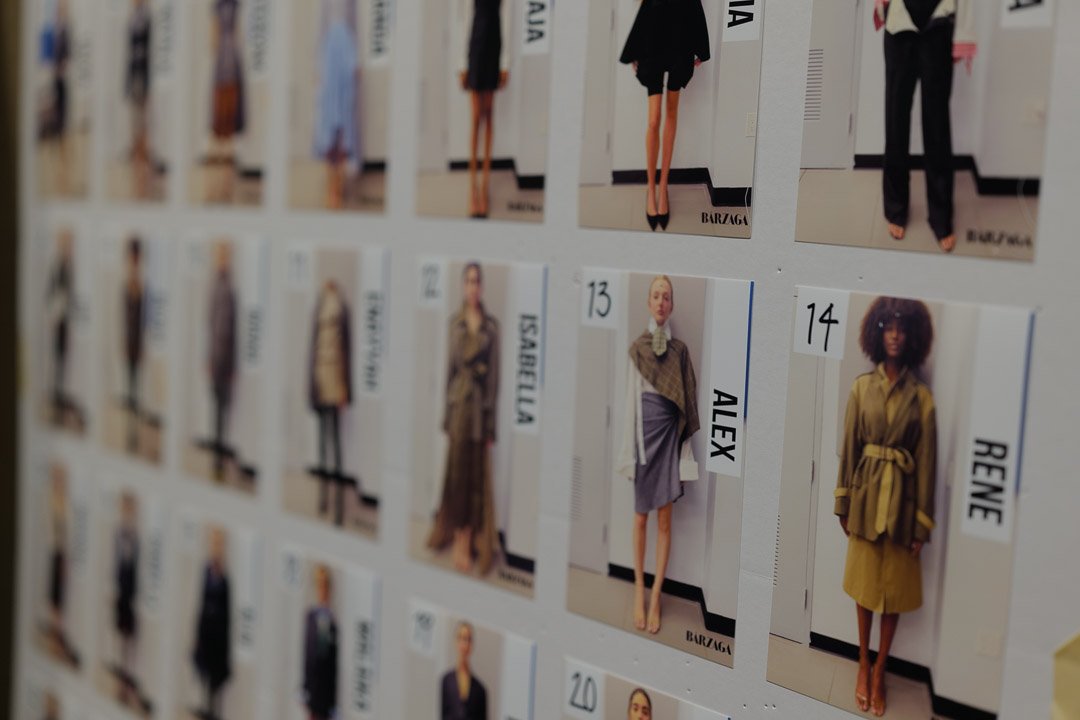
As each model prepared backstage with the help of fashion student volunteers from Miami Fashion Institute, their individual personas gradually began to embody the emotions worn on their very sleeves. Seeing models express their confidence in these garments serves as a reminder that while constructing a runway collection requires considerable skill, designing for the wearer demands an entirely different understanding. Look 3, worn by Katerya Revenko, turned blazers, vests, and a cut-sleeve black shirt into an elegantly cut-and-train dress. Look 4 simultaneously turned over 3 dress shirts into an entire gown, complemented by the unique stripe patterns of each and that reimagined necktie in red.
Beyond the runway, Rhythm & Threads also served as an expression of Goodwill’s broader commitment to inclusion through the arts. Opening the night musically was the acclaimed Spirit of Goodwill Band, comprised of a diverse ensemble of musicians with disabilities whose talents captivated the audience with a moving performance.
Rhythm & Threads and the Case for Inclusion
Ultimately, Alejandro Bárzaga’s upcycled collection demonstrated that fashion’s influence extends beyond the garments themselves. Goodwill expressed that the purpose of the night was to “celebrate inclusion and human potential through powerful performances and personal stories”, as well as “showcase the creativity, resilience, and impact of individuals served by Goodwill across South Florida”. Through a creative blend of fashion and sound, Goodwill allowed all guests to experience just that. Throughout the entire night, Alejandro Piedra Bárzaga expressed his gratitude and pride to have been one of two designers selected by Goodwill South Florida, as their efforts to give back to the communities it serves are further exemplified by events like this.
Zachary A. Middleton, known professionally as Zakari, is a Miami-based fashion designer and emerging fashion writer. His work explores the relationship between clothing, identity, craftsmanship, and culture. Through research-led design, thoughtful construction, and expressive storytelling, he approaches fashion as both a creative passion and a platform to communicate personal influence worldwide.