
Art
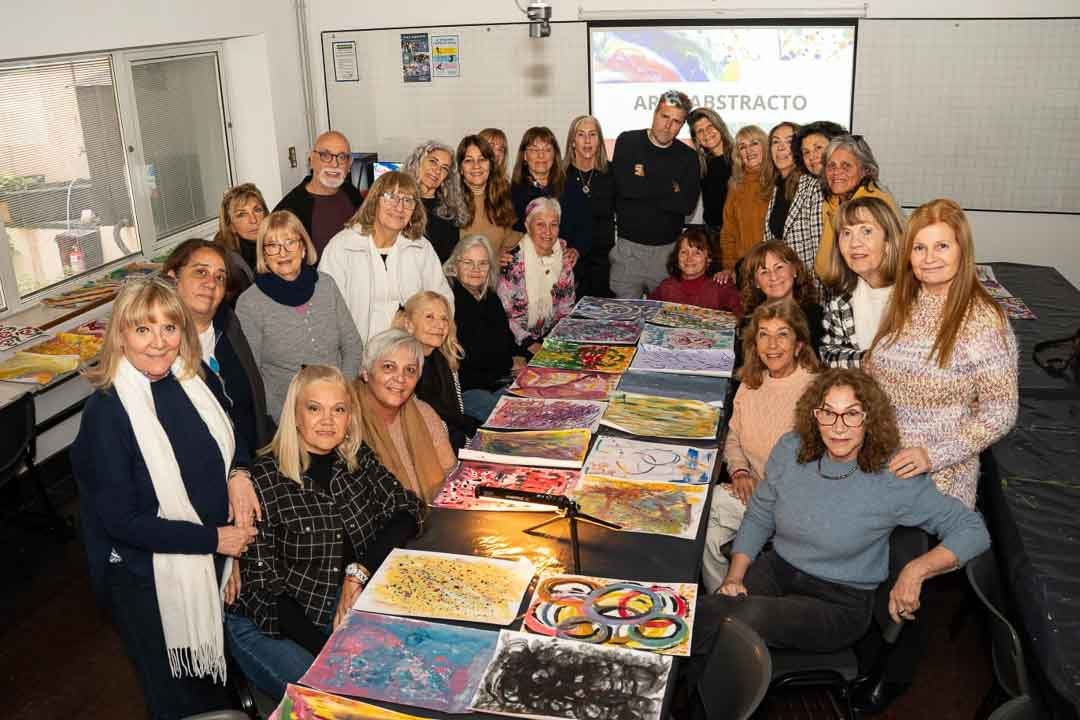
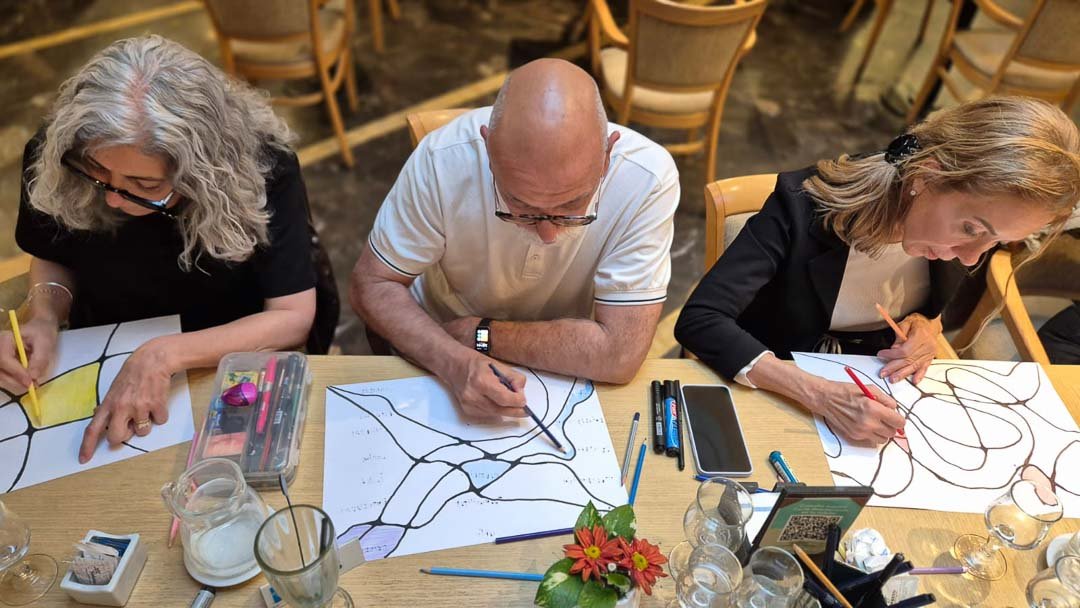
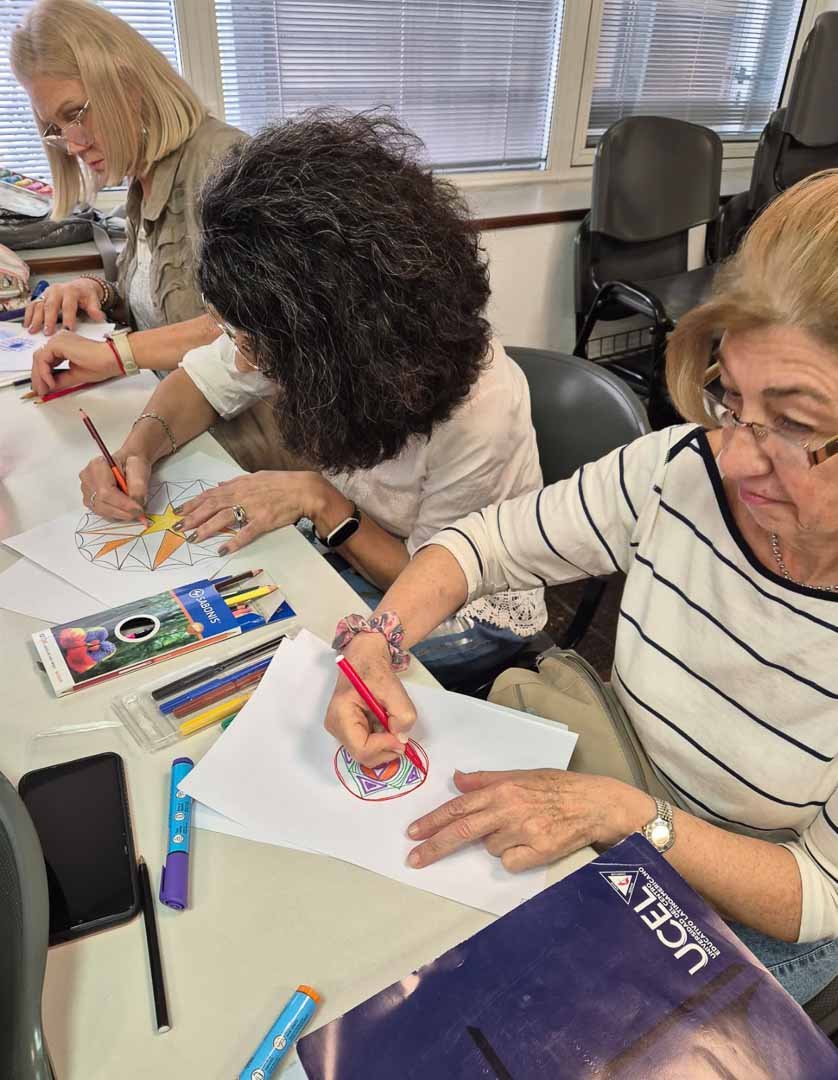
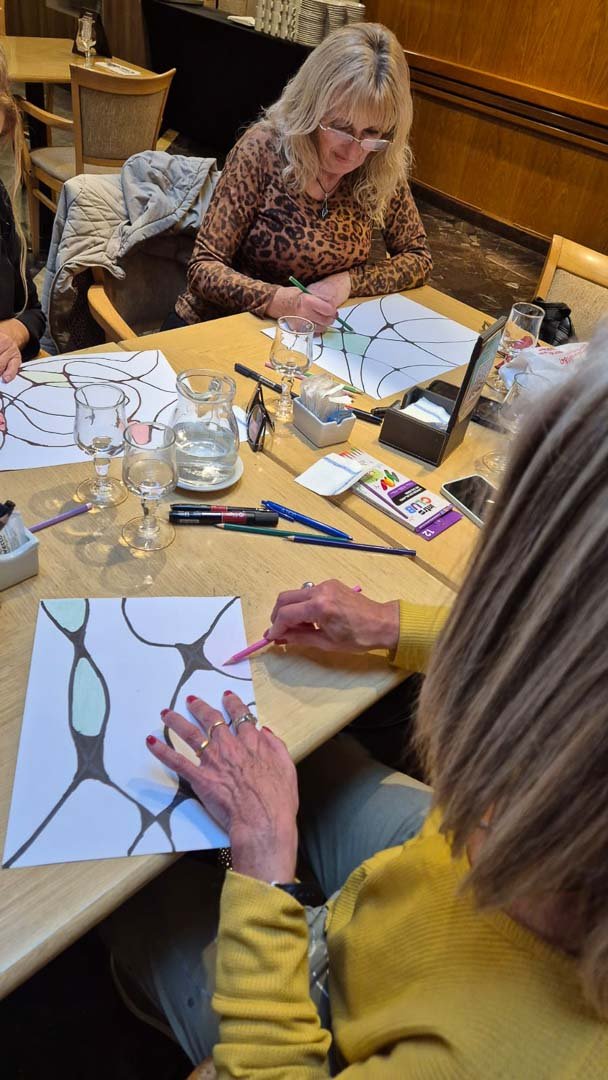
In conversation with Guillermina Neri, a facilitator of creative processes who works at the intersection of neuroaesthetics and mental health, I find that art can give anxiety somewhere to go, and that reinvention belongs to every stage of life. If we are artistic projects, everything we have lived becomes material.
Updated 04:51 pm EDT, Oct 13, 2026
Published 01:53 pm EDT, Oct 13, 2026
Photo Courtesy: Guillermina Neri

Art
In conversation with Guillermina Neri, a facilitator of creative processes who works at the intersection of neuroaesthetics and mental health, I find that art can give anxiety somewhere to go, and that reinvention belongs to every stage of life. If we are artistic projects, everything we have lived becomes material.
Updated 04:51 pm EDT, October 13, 2026
Published 01:53 pm EDT, October 13, 2026
Photo Courtesy: Guillermina Neri
In conversation with Guillermina Neri, a facilitator of creative processes who works at the intersection of neuroaesthetics and mental health, I find that art can give anxiety somewhere to go, and that reinvention belongs to every stage of life. If we are artistic projects, everything we have lived becomes material.
Updated 04:51 pm EDT, October 13, 2026
Published 01:53 pm EDT, October 13, 2026
Photo Courtesy: Guillermina Neri
On Neuroaesthetics and Mental Health

Fashion student and writer Maria Jose is on a mission to reveal the stories behind the clothes we wear. Combining her love for literature, research, and storytelling, she uses fashion as her primary lens to explore the industry. For her, writing means taking something seemingly distant and making it feel personal, meaningful, and alive.
Get the latest fashion, culture, and art updates, including magazine releases release parties
Sponsored Content


