Culture
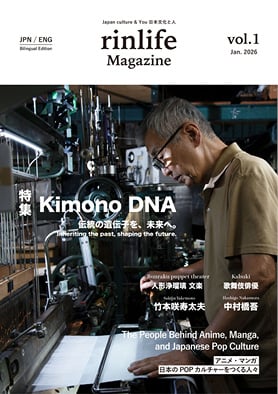
Surrounded by overwhelming information, we often overlook the older rhythms of time. The first issue of rinlife magazine gently encourages us to stop and reflect, inviting readers to appreciate stories, tradition and the human narratives.
Updated 12:06 am EST, March 6, 2026
Published 12:00 am EST, March 6, 2026
Surrounded by overwhelming information, we often overlook the older rhythms of time. The first issue of rinlife magazine gently encourages us to stop and reflect, inviting readers to appreciate stories, tradition and the human narratives.
Updated 12:06 am EST, March 6, 2026
Published 12:00 am EST, March 6, 2026
AVESSA and rinlife magazine share a common value of pursuing expressions that transcend time and carry meaning. Together, we aim to deliver stories that cross cultural boundaries and resonate with readers in both the East and the West.
Building Depth in an Accelerating World
Surrounded by an overwhelming flow of information and rapidly evolving AI, we are living in an era that prizes speed and efficiency. In doing so, we often forget older rhythms of time — to feel the moment, reflect on the past, and learn through our own hands. The first issue of rinlife magazine, focusing on kimono artisans, gently brings us out of this restless pace of living.
Because of the difficulty of dressing and practical limitations, the kimono gradually faded away from the Japanese wardrobe. Yet it is precisely this “effort” that embodies Japanese culture. Unlike tailored garments, kimonos are constructed from straight-cut patterns. The wearer adjusts the length, ties the obi, and adjusts themselves to the fabric. This structure represents the Japanese cultural perspective on time and the body— creating harmony by shaping the space in between rather than emphasizing the individual.
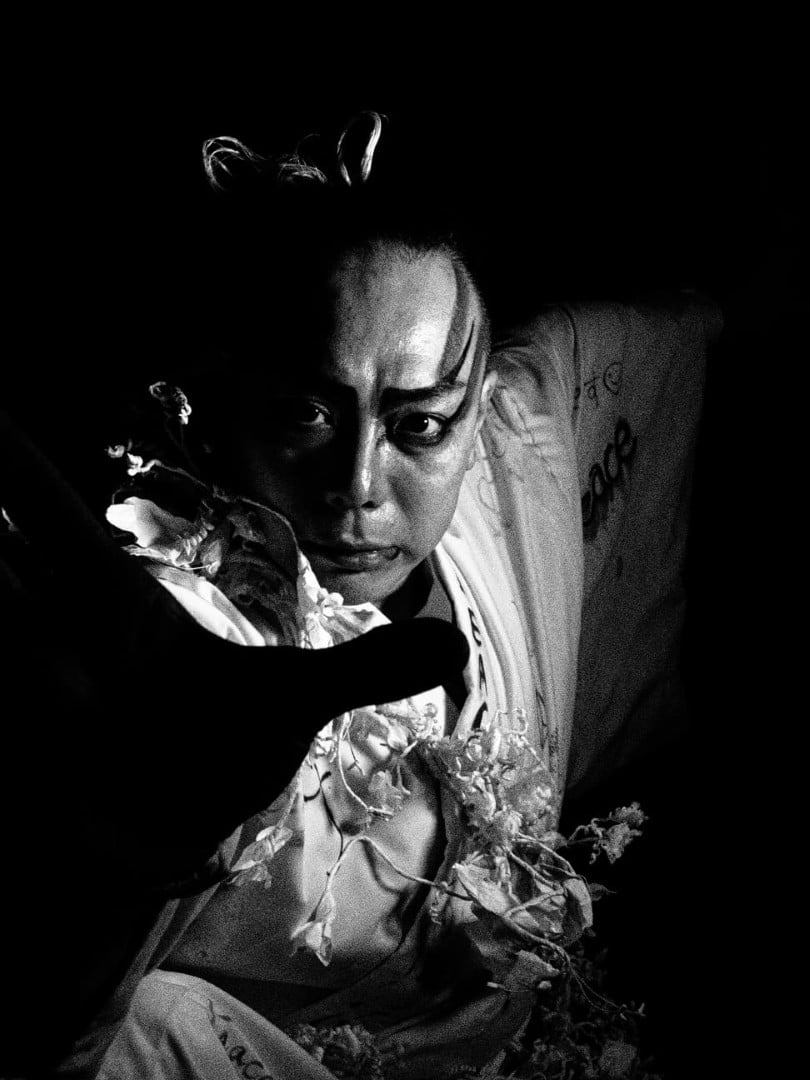
Moreover, what the kimono embodies extends beyond Japan’s cultural values alone. The time and lives of countless artisans are layered within the fabric of a single garment. In each process of making Nure-e Yuzen dyeing and Nishijin weaving, there is human dedication and their life story. The magazine’s core goal is to convey not only the beauty of the craft but also the human stories behind it to kimono enthusiasts worldwide, and to deepen the act of wearing a kimono through knowledge.
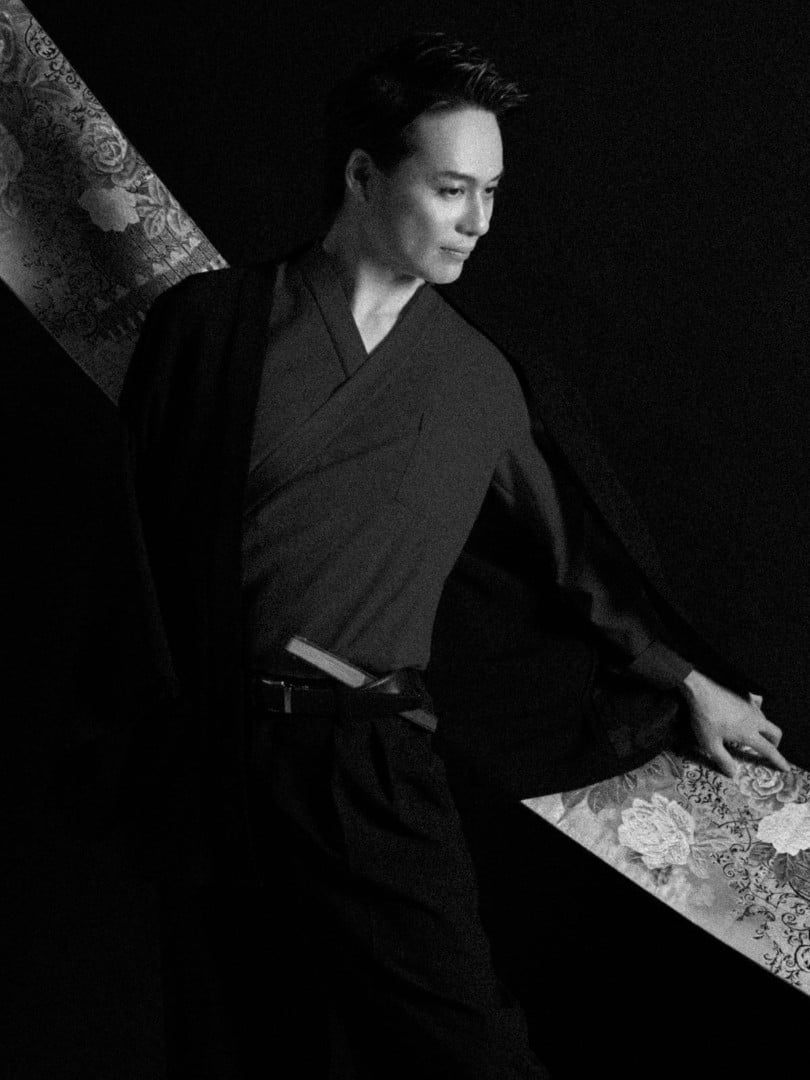
rinlife magazine grew out of KUDEN, a kimono brand rooted in Western tailoring. While rinlife magazine centers on inheriting the past, KUDEN seeks to reinterpret tradition for contemporary life and project it into the future. Besides creating modern kimonos that require no dressing assistance, the brand presents individual diversity as “the norm” through the kimono. This philosophy is reflected in the magazine.
rinlife magazine amplifies the voices of those who choose depth over speed. It serves as a cultural record while opening these endeavors to future forms of work. The magazine aims to channel profits generated through fashion and media into creating jobs and spaces for people with disabilities. Together with supporting companies and readers, rinlife magazine works to sustain culture into the future.
AVESSA and rinlife magazine share a common value of pursuing expressions that transcend time and carry meaning. Guided by this shared philosophy, the two publications have decided to collaborate through an exchange of editorials. Together, we aim to deliver stories that cross cultural boundaries and resonate with readers in both the East and the West.
加速する世界で「深さ」を構築する
世の中に溢れかえる情報量や、日に日に現れる高精度のAIたち。そんな速さと効率が求められる今を生きる私たちは、“この瞬間に立ち止まる”、“過去を振り返る”、“自らの手で学ぶ”、といった従来の時の流れ方をつい忘れがちです。着物職人に目を当てた rinlife magazine 第一号は、そんな生き急いだ感覚からふと目を覚まさせてくれます。
着付けの難しさ、実用面での制約により、着物は日本人のワードローブから遠ざかっていきました。しかし、その“手間”こそが、日本文化を内包しているのです。着物は身体に合わせて立体的に縫い上げられる洋服とは異なり、直線裁ちで仕立てられています。そして着る人が丈を調整し、帯を締め、布に自らを合わせる構造。そこには、個を強く打ち出すのではなく、余白を整えながら調和を生むという、日本文化の時間観と身体観が映し出されています。
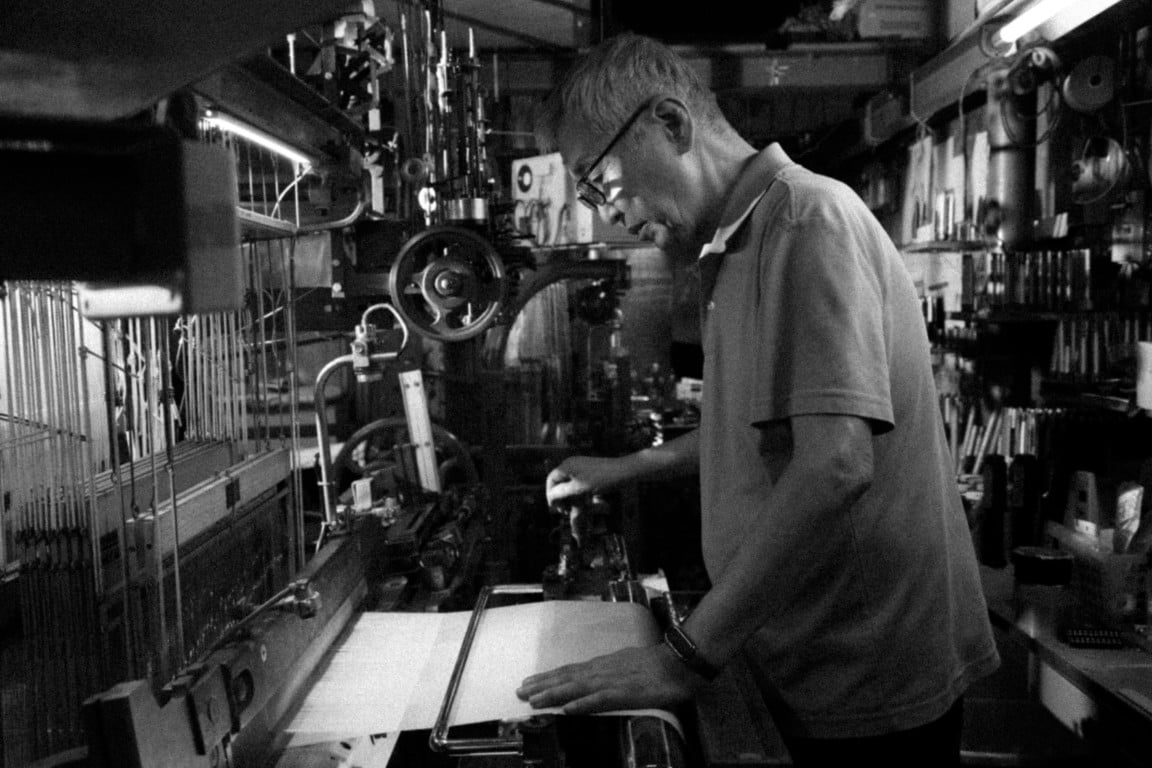
さらに、着物が体現するものは、日本の文化的価値観だけではありません。何人もの職人の時間と人生が、一着の裏に折り重なっています。濡れ描き友禅、西陣織——工程の数だけ存在する人の営みとその人生。技術の美しさだけではなく、その背後にある「人」の記録を世界の着物好きに届けること、知識によって着物を着る行為に深みを与えることが本誌の核となっています。
rinlife magazineは、洋裁を基とした着物ブランド、KUDENの活動の延長線上によって生まれました。rinlife magazineが過去の継承を軸としているのに対し、KUDENは伝統を現代に翻訳、未来への橋渡しを目的としています。着付けのいらない現代風着物を作るだけでなく、着物を通して、人々の個性や多様性を“あたりまえ”として提示する。その哲学は本誌の活動にも継承されています。
速さではなく深さを選ぶ人々の声を届けるrinlife magazineは、文化の記録であると同時に、その営みを未来の仕事へとつないでいきます。ファッションとメディアを通して生まれる利益を、障害のある人々の仕事や場づくりへと手渡していくことが目標です。この試みに賛同する企業や読者の方々とともに、文化を未来へと循環させていくカルチャー誌です。
rinlife magazineとファッション。カルチャー誌AVESSAは、時代を超え、意味のある表現を追求するという共通のテーマを掲げています。その思想のもと、両誌はエディトリアルを交換し合う形で協業することになりました。東西の読者に向けて、文化の垣根を超える物語を届けていきます。

Sena is a fashion and cultural journalist based in the Netherlands and Japan. She sees fashion as a symbol of its era, culture, and individual expression. With an academic background in cultural studies, she writes about Japan’s fashion industry.
Get the latest fashion, culture, and art updates, including magazine releases release parties
Sponsored Content