Culture
On how influencer culture reshapes authority, reframes freedom, and accelerates the decline of expertise in digital and political life.
Updated 11:05 pm EST, February 25, 2026
Published 05:54 am EST, February 25, 2026
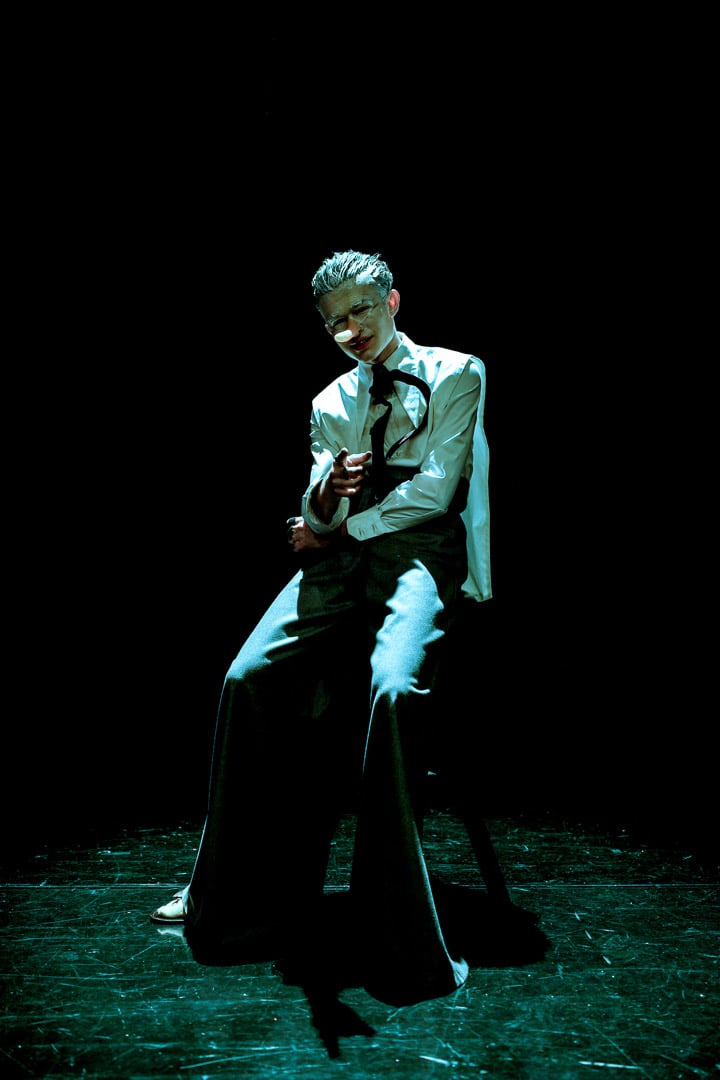
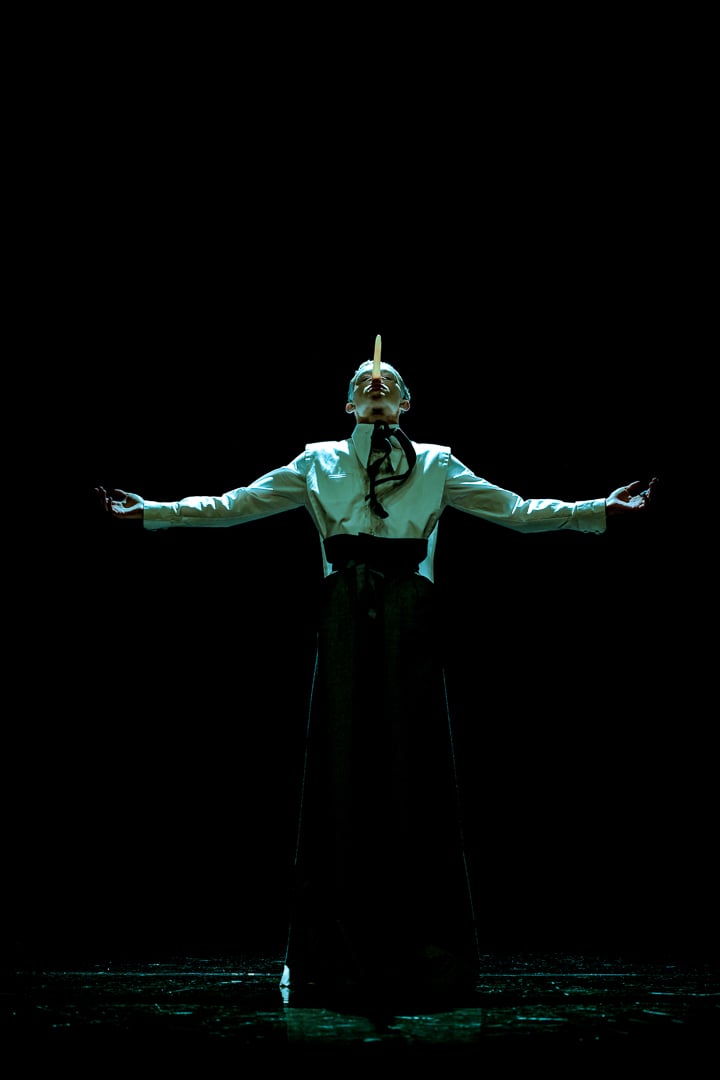
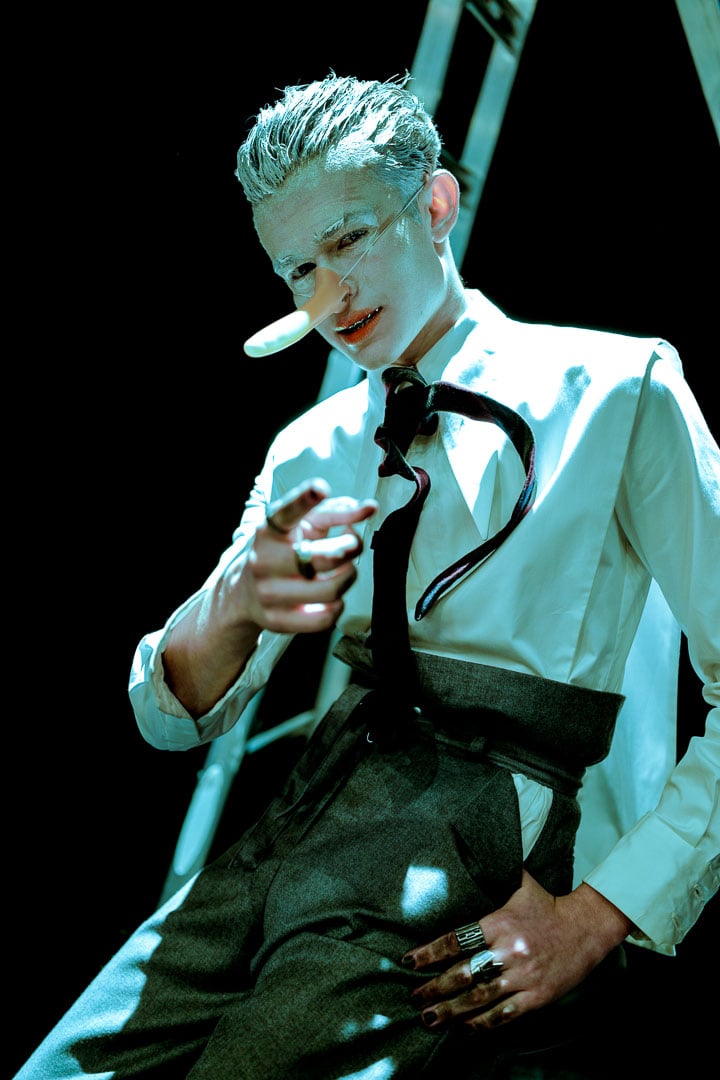
Fashion Designer: Chenqi Jiang
Styling: Nestor Camacho, Liam Myers
Hair & Make-up Artist: Tatiana Zabora
Model: Franco Braghieri
Producer: Nestor Camacho
Photography: Flávio Iryoda
Photography Assistant: Oscar Tabares
On how influencer culture reshapes authority, reframes freedom, and accelerates the decline of expertise in digital and political life.
Updated 11:05 pm EST, February 25, 2026
Published 05:54 am EST, February 25, 2026
Fashion Designer: Chenqi Jiang
Styling: Nestor Camacho, Liam Myers
Hair & Make-up Artist: Tatiana Zabora
Model: Franco Braghieri
Producer: Nestor Camacho
Photography: Flávio Iryoda
Photography Assistant: Oscar Tabares
Influencer Culture
The gap between speaking and being believed has never been shorter. Or perhaps believed isn’t the word – influenced is closer, however on the nose that sounds. What we are sold – and we know it’s being sold – is not truth, but certainty – aestheticized, and profitable. Sounding sure sells better than sounding considered. We know this even as we consume it. We know we are buying something thinner than knowledge. But the transaction is frictionless, and the price is low: attention in exchange for influence. For authority. So we don’t resist. Share, scroll, move on.
This feels defensible. Because this is the era of freedom, of style, of having a voice. Authority is finally ours – of the people – and it feels democratic enough. Rebellious, self-flattering. Ours is an age promising limitless becoming; anyone can become anything. Authority is no longer restricted to the few, no longer inherited, learned, or earned – it is declared. We decide who has the power. We are invited to imagine ourselves as rulers of our small, ordered worlds: self-appointed, self-justified, complete.
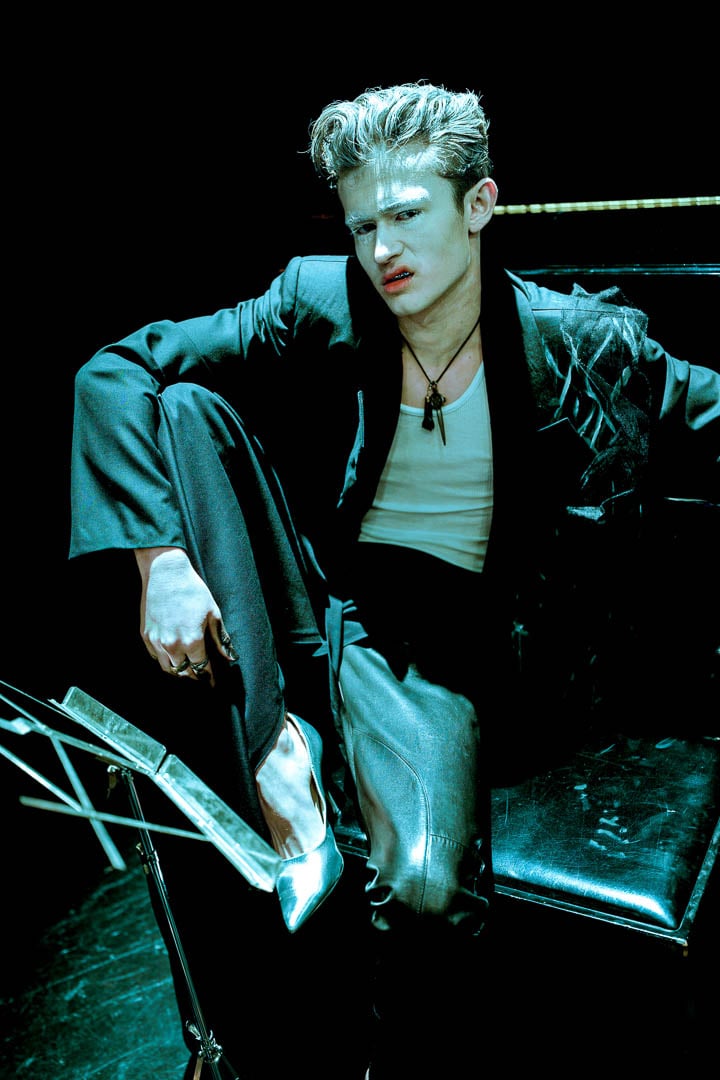
And it feels good. Being reflected in your Instagram feed, reassured by your echo chamber – everything makes sense, everything agrees with you, nothing asks very much at all. Slick. Easy. Harmless. Small.
There’s something childlike in this fantasy – not naïve, but not the full picture. Something dangerous in how easily it confuses isolation with autonomy. Curating a small world is not the same as controlling it. Order and authority are not the same thing.
What slips in, almost unnoticed, is a change in what authority looks like. It begins to look an awful lot like visibility. Being seen, being loud, being liked, begins to feel like qualifications enough. Influencer culture did not invent this logic. It perfected it. And politics has learned to speak the same language.
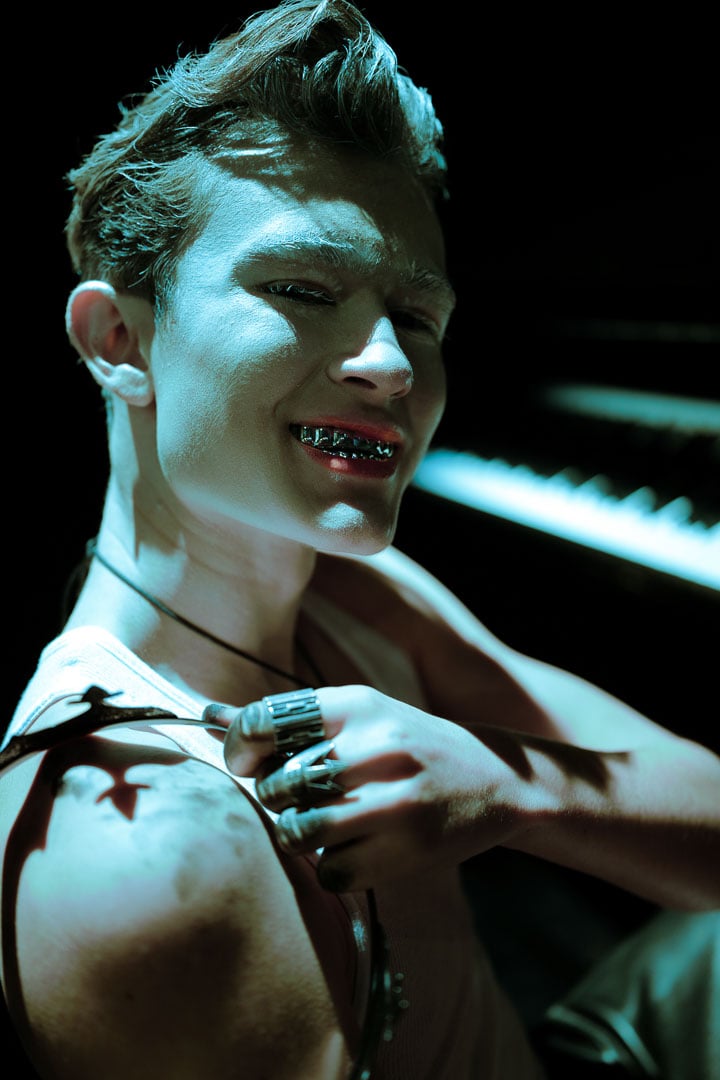
Platforms reward certainty, confidence, cachet. Under these conditions, authority is no longer earned slowly; it is projected, performed. And because more voices are visible, this can feel democratic. But visibility is not the same as authority. What emerges is not the collapse of hierarchy, but its redesign – recognized around tone, branding, and aesthetics, and still concentrated among those whose bodies, accents, and lifestyles were already read as legitimate – aspirational – before a word is spoken.
Nowhere is this clearer than in wellness. Few spaces award aesthetics more authority, or sideline expertise more aggressively. White American influencers build lucrative brands around yoga, matcha, açaí bowls – selectively “borrowing” from global traditions, severing them from context and lineage. Knowledge is stripped down and repackaged to sell – younger, richer, Western, white. Health, and, with it, wellness authority, becomes something you look like you have: thin, calm, glowing, disciplined – constantly maintained, but rarely named as work. This sits comfortably alongside hostility to expertise. Again, isolation is reframed as autonomy, ignorance as independence.
Do your own research. Listen to your own body. Empowerment is placed in selective trust: institutions dismissed as coercive or corrupt, influencers trusted because they appear unregulated, intuitive, authentic. This authority isn’t spontaneous. It is selected, scaled, and monetized by platforms profiting from its circulation. What reads as independence is, in fact, highly intermediated. Authority does not vanish – you are not the ruler of your world. It just changes hands. Or, more accurately, changes look.
It’s tempting to dismiss this as obvious and contained to the internet. Of course influencers dominate online; of course Instagram isn’t a reputable source. Influencer authority can be seen as provisional, unserious. The mistake is to assume that this logic of authority stops there. The style of influence perfected online is migrating into governance.
Certainty is reassuring, especially in figures we defer to. Confidence reads as competence; hesitation as weakness. Politics has always relied on cues, but as trust in traditional authority – education, expertise, institutions – has thinned, the cues that resonate have shifted. Authority is now claimed through recognizability – branding, aesthetics. The red tie matters as the ring light does: a visual cue signaling certainty in advance. Less argument, more shorthand: a rehearsed ease, a look that says decisive before anything’s said.
The fantasy returns. This age feels democratic – more voices, visibility, choice. But beneath that feeling, our sense of authority has quietly been retrained. We have come to prefer leaders who mirror the logic of our small, online worlds: complete unto themselves, answerable only to their own certainty.
Political authority, like online authority, now relies on confidence, loyalty, and clout. It does not persuade; it asserts. And, like the influencer, it sets itself apart as trustworthy in opposition to institutions – and calls that “freedom”.
Freedom, therefore, becomes freedom from. From law, institutions, expertise. It’s no longer freedom to – to build, participate, be accountable to one another – but as something fragile, embattled, perpetually at risk. While freedom was once framed as expansion, as possibility, it now contracts. Defines itself through threat.
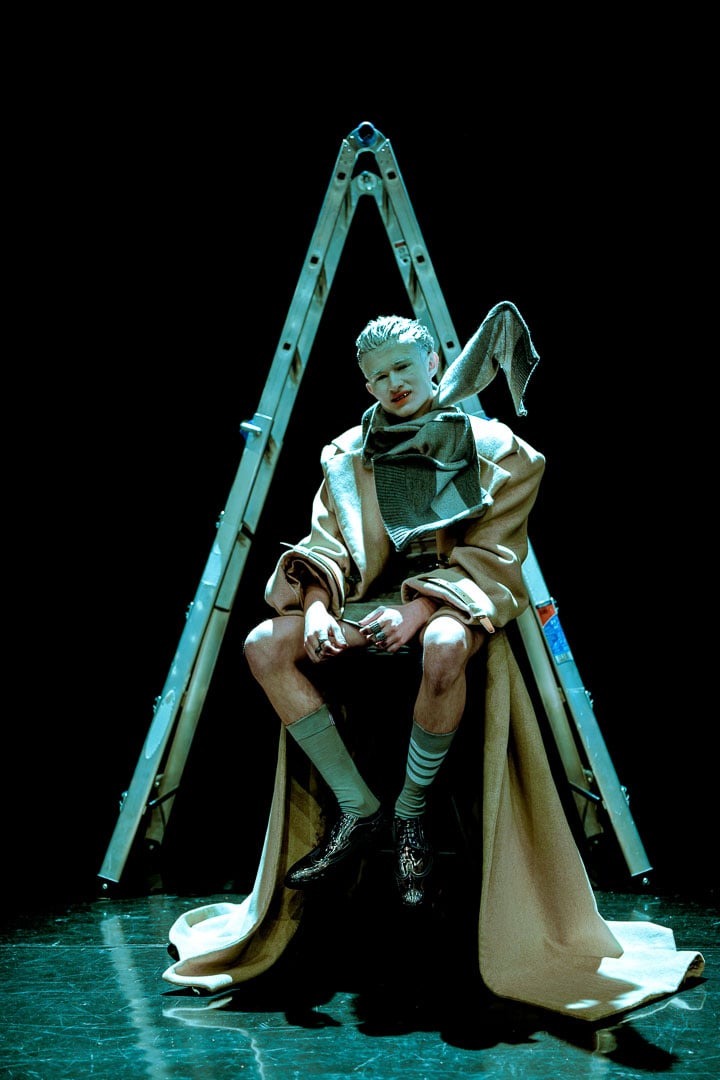
In this telling, freedom must be defended not against domination, but against constraint. The shared structures that once made collective life possible are recast as obstacles to individualism. Freedom is no longer a condition we inhabit together, but a possession that can be taken away. Here, authority quietly reasserts itself. A figure who claims to stand alone against these forces begins to feel inevitable. The louder they insist they are under attack, the more willingly trust is surrendered. And so, “freedom” becomes a solvent – a laundering device through which unearned authority appears not only justified, but inevitable. It dissolves responsibility. It dissolves institutional constraint. It dissolves the need to justify power at all.
The influencers’ rhetoric returns, scaled up with authority: I’m expressing my truth. I’m being silenced. They’re afraid of dissent. Refusal to justify oneself becomes proof of authenticity. So online, so in politics. Authority no longer explains itself; it declares itself under attack. The question, then, is where authority moves. Dismiss institutions, and it redistributes itself – toward those best at performing independence, and those who profit from its circulation. The language may be liberation; the outcome is hierarchy.
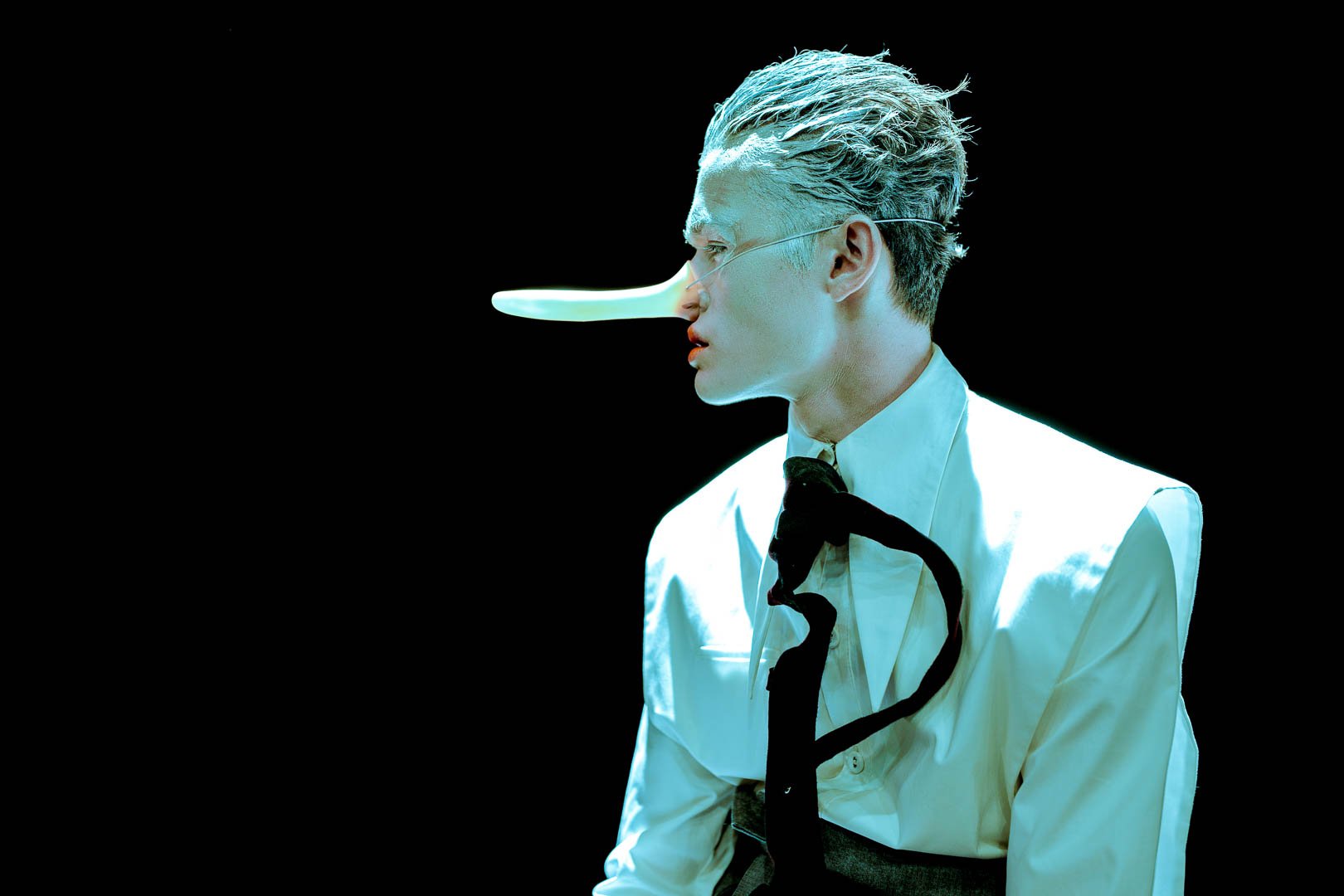
Here, the boundary between politics and culture crumples. The logics shaping public power are rehearsed in private — online, in everyday performances of choice and refusal. Influencer culture does not sit parallel to politics. It supplies its grammar.
The tradwife makes this logic explicit. She’s presented as opting out – of professional ambition, institutional feminism, the workplace altogether. Her authority isn’t rhetorical; it’s lived. This is what I chose. In a culture exhausted by precarity, burnout, and the thinning promise of a living wage, the appeal is obvious. What matters is not simply the conservatism of the outcome, but its narration under freedom’s new definition.
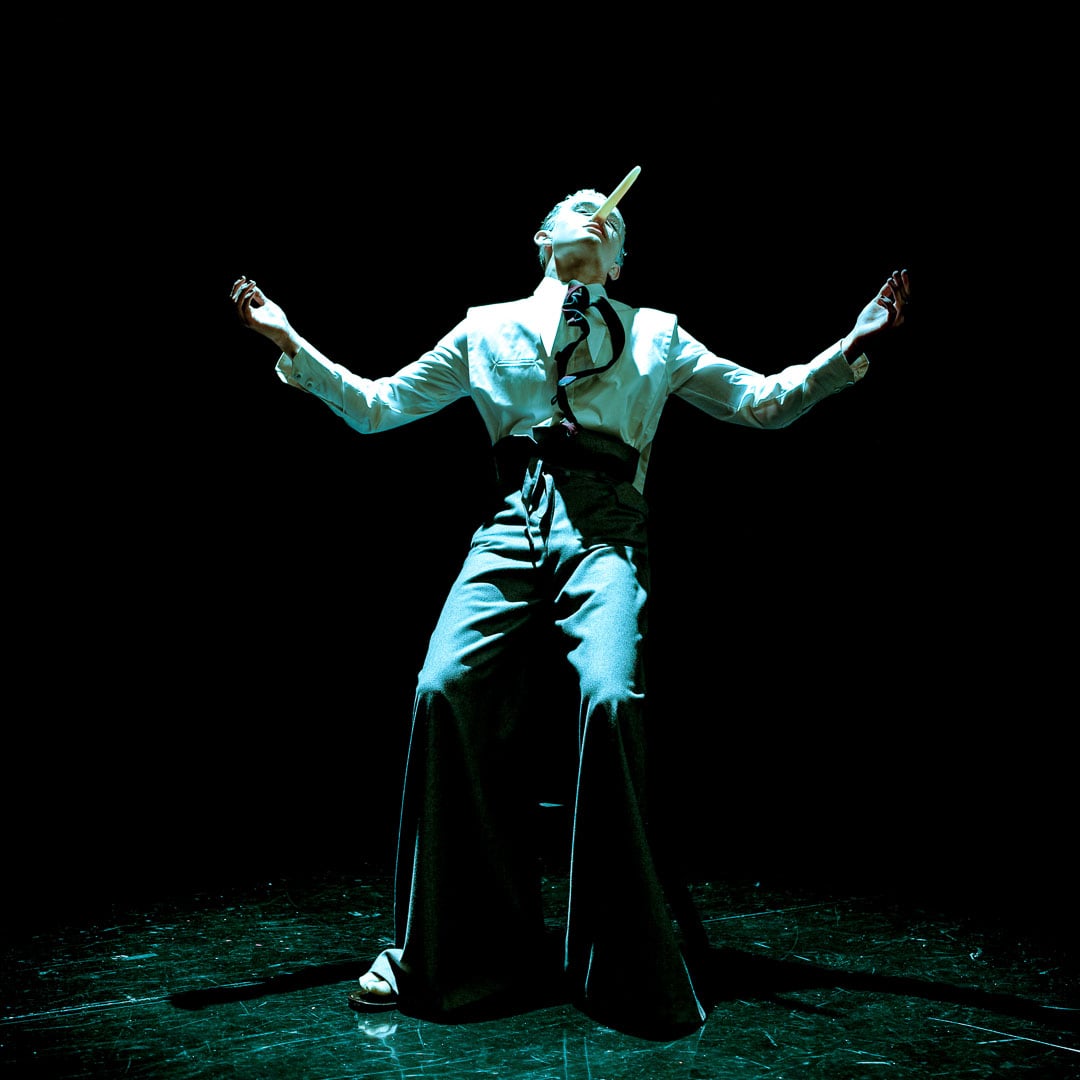
The tradwife does not reclaim domestic labor in any historical sense. She stages refusal of the market while profiting from it – converting withdrawal into attention, influence, outcome. Refusal becomes content. Revocation becomes brand. The moniker misleads: she is not a ‘traditional housewife’. She’s an influencer. Typically white, wealthy, and conventionally attractive women mediatize, monetize, and mimic subservience, framing it as rebellion. This is not resistance, but labor – the same labor long expected of, enforced upon, women – relocated and rebranded as “freedom”. It produces value while disavowing both itself and its history: a career built on the performance of not having one.
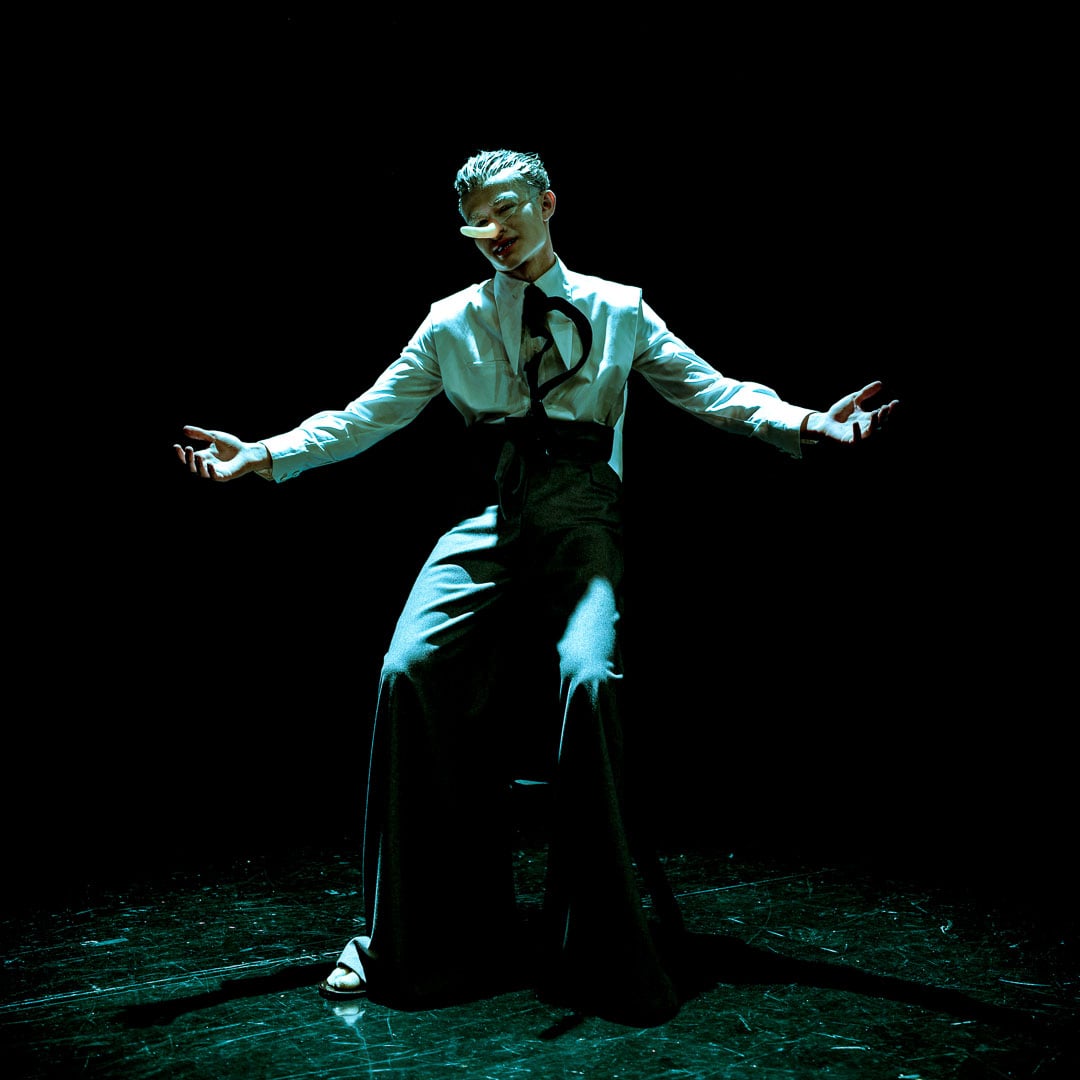
What makes this politically potent is not domestic labor itself, but the conditions under which it is permitted to appear. It is valued only when it can be individualized, aestheticized, and absorbed back in the market – softened, styled, and made visible on terms the market can profit from.
You will not see a tradwife scrubbing a toilet; if you did, the shock would drive engagement. As public provision retreats – childcare, welfare, shared responsibility – care is pushed back into the private sphere and renamed choice. What feels like freedom is displacement. Authority accrues not to those doing the work, but with those able to make that displacement look consensual – even desirable.
This is not an argument for blind institutional deference. Experts make mistakes, authority has always known how to hide, behind credentials before charisma. What has been lost is discernment. Authority has been flattened into affect, “freedom” into fear. In this vacuum, hierarchy settles. Real freedom creates friction. It resists ease. Real rebellion requires discipline: willingness to justify, listen, revise – to remain answerable. What now passes as radical is a familiar posture.
The wellness influencer, the tradwife, the political leader perform the same stance: opposition to institutions, solitude as virtue, accountability recast as coercion, refusal named “freedom”. This may feel rebellious. It isn’t. It’s anti-democratic, it trains us to mistake withdrawal for agency and isolation for power, to hand authority over to figures who stand alone and unanswerable while telling us we are more free for it. Control is quietly surrendered, over the small worlds we curate and the real ones we inhabit. Others – in the right uniform, with the right tone, the power to redefine freedom itself – are always willing to accept that authority on our behalf.

Elisabeth writes about culture, politics, and media, with a background in legal journalism and investigative research. Alongside writing, Elisabeth works on long-form projects examining how stories are shaped, shared, and understood in public life.
Get the latest fashion, culture, and art updates, including magazine releases release parties
Sponsored Content