Fashion
From Rome to the world, Angelo Litrico transformed tailoring into an art, dressing presidents, artists, and defining a legacy of elegance in menswear.
Updated 11:55 pm EST, February 25, 2026
Published 03:01 pm EST, February 25, 2026
Featuring: Luca Litrico
All images are Courtesy of the Sartoria Litrico Archive © – All rights reserved © SARTORIA LITRICO S.r.l. Società Benefit ®
Special Thanks: Francesca Venturi, Omar Enrique Matos
From Rome to the world, Angelo Litrico transformed tailoring into an art, dressing presidents, artists, and defining a legacy of elegance in menswear.
Updated 11:55 pm EST, February 25, 2026
Published 03:01 pm EST, February 25, 2026
Featuring: Luca Litrico
All images are Courtesy of the Sartoria Litrico Archive © – All rights reserved © SARTORIA LITRICO S.r.l. Società Benefit ®
Special Thanks: Francesca Venturi, Omar Enrique Matos
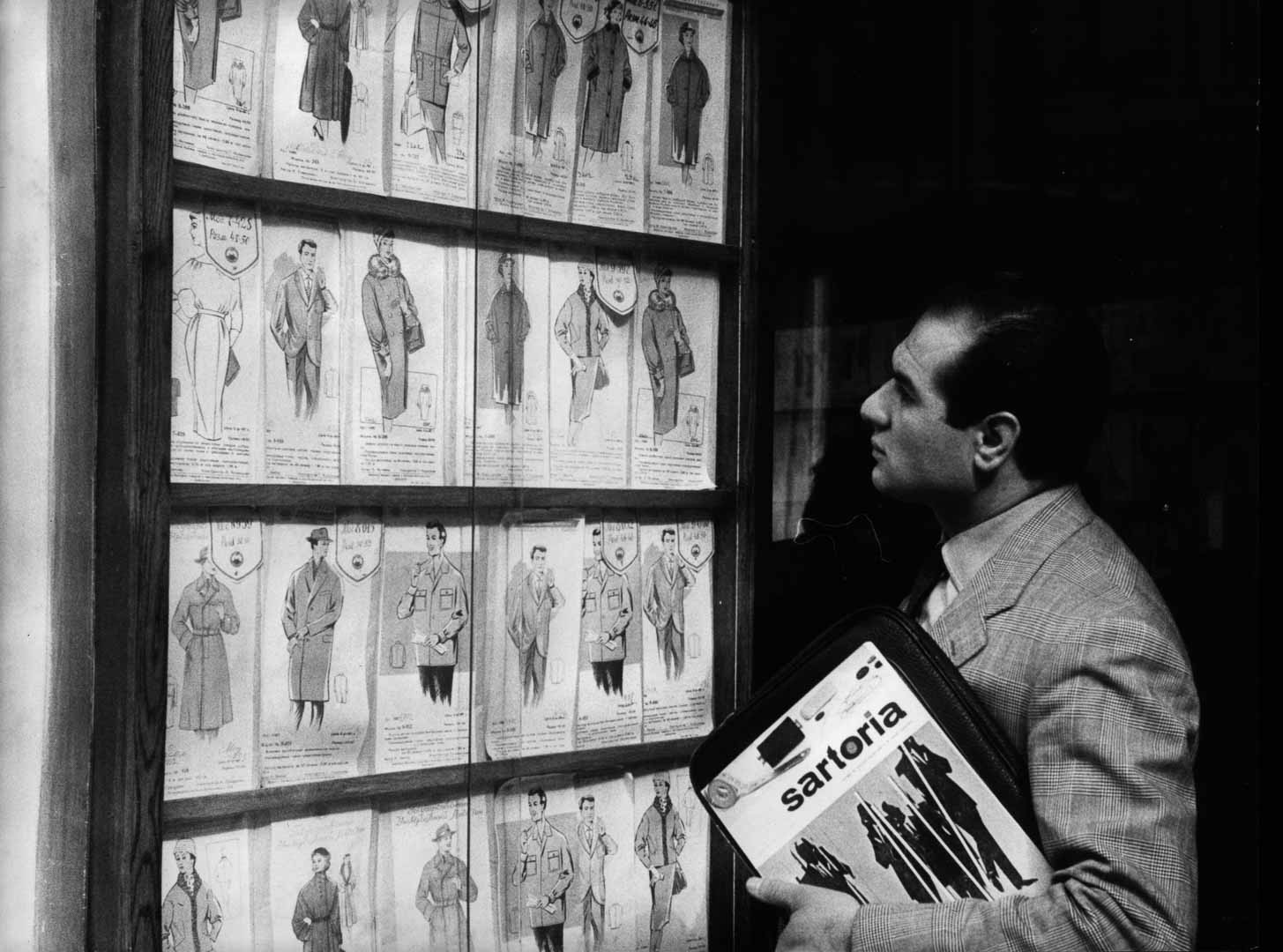
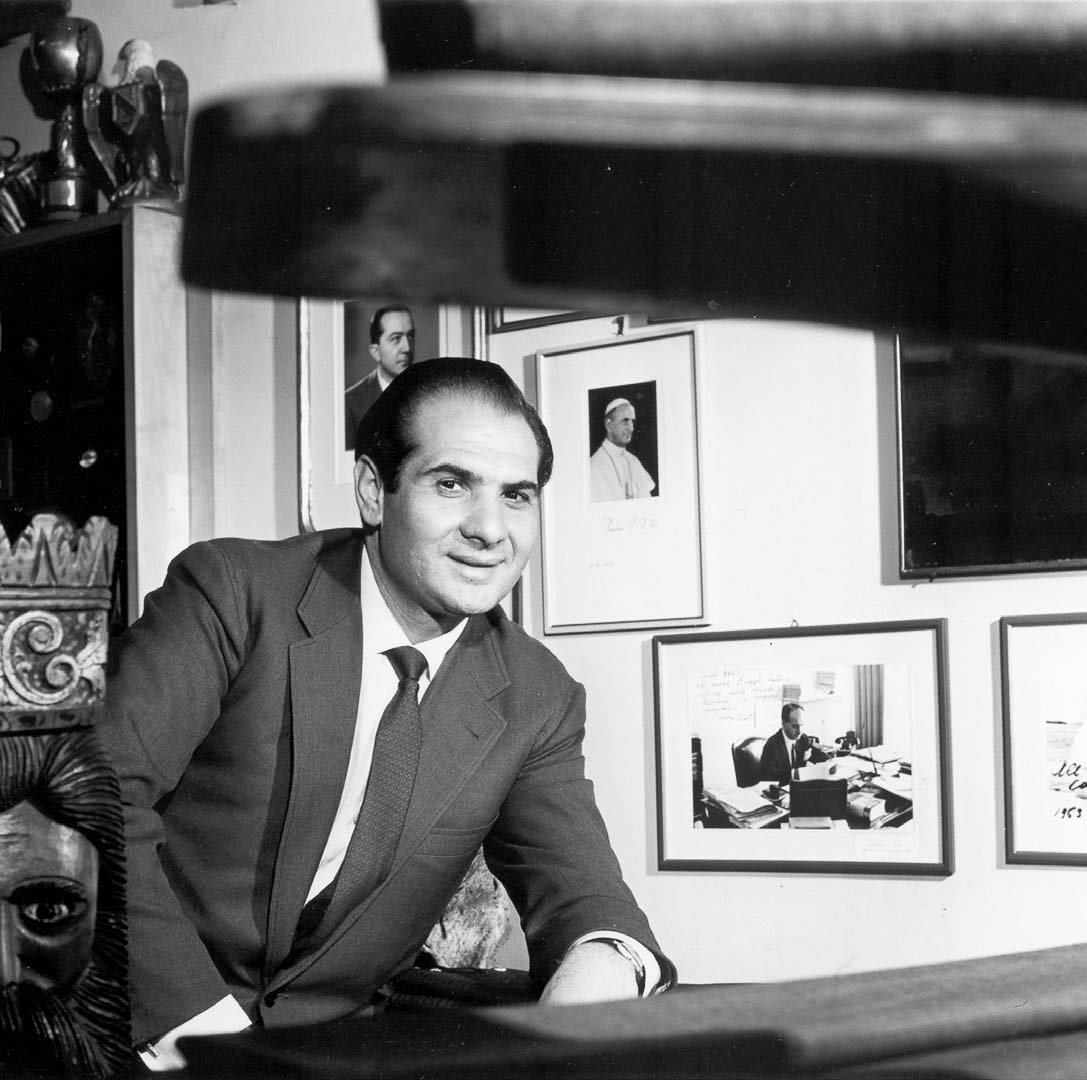
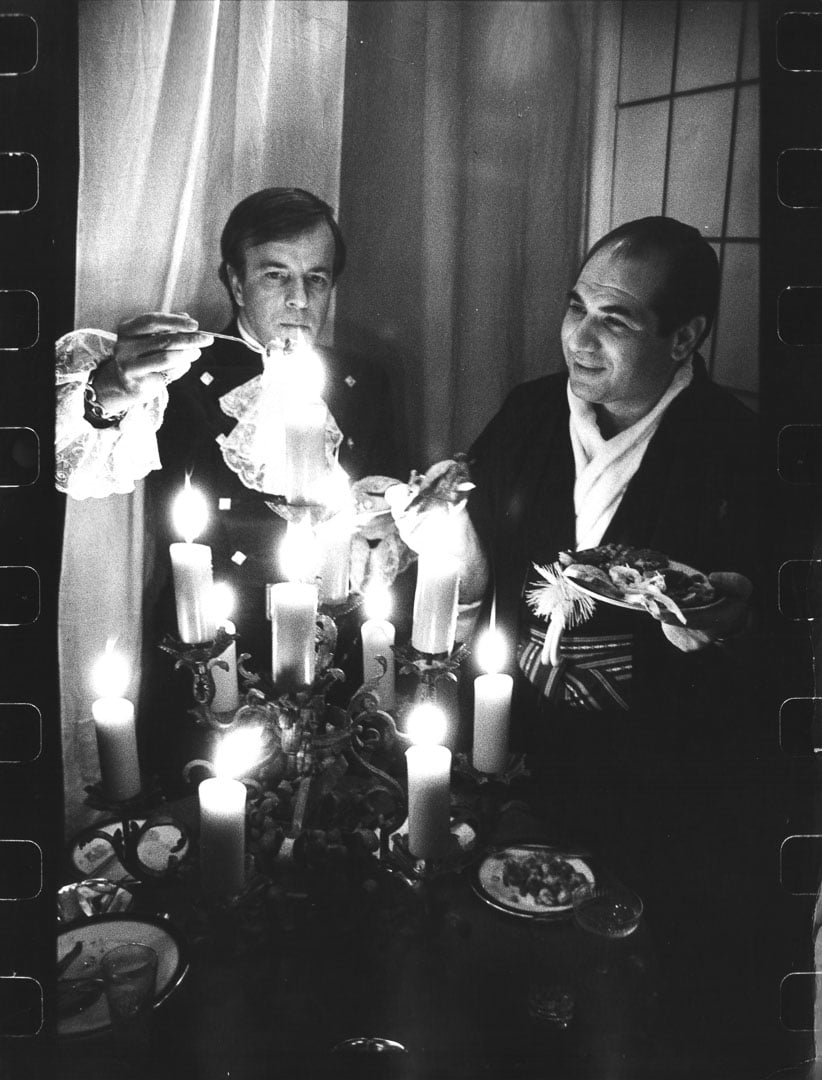
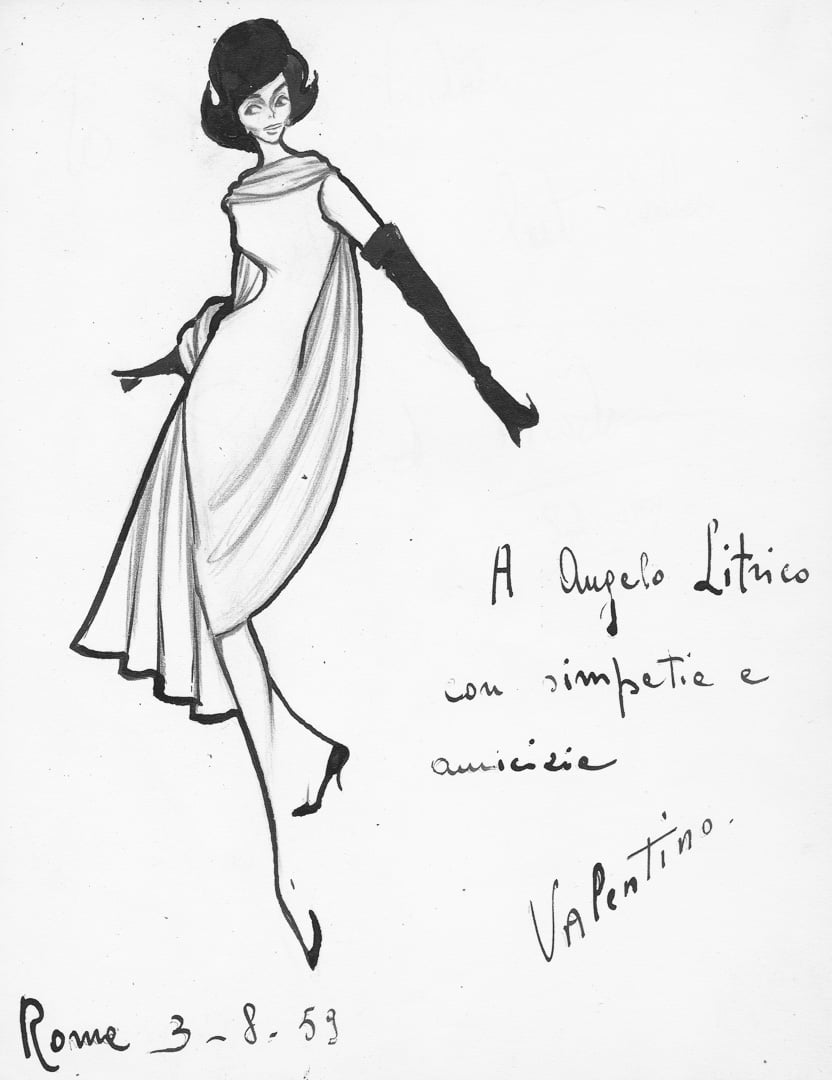
“Come to my workshop in Rome, and I’ll make you a carbonara.” It would have been easy to assume that this invitation had been made in jest, but there was no doubt in my mind that it was made with complete sincerity which was apparent even over video call. The fact that it came from Luca Litrico, nephew of the famed Angelo Litrico and current master tailor, would have been intimidating if not for the graciousness with which it was extended. This warm familiarity punctuated our conversation one November day as Luca lovingly regaled me with his family’s story, a story full of love, humor, humanity, and great talent. In 1957, Italian fashion began attracting attention in the Soviet Union. Angelo Litrico was invited to participate in an event alongside great women’s fashion houses like Valentino Garavani.
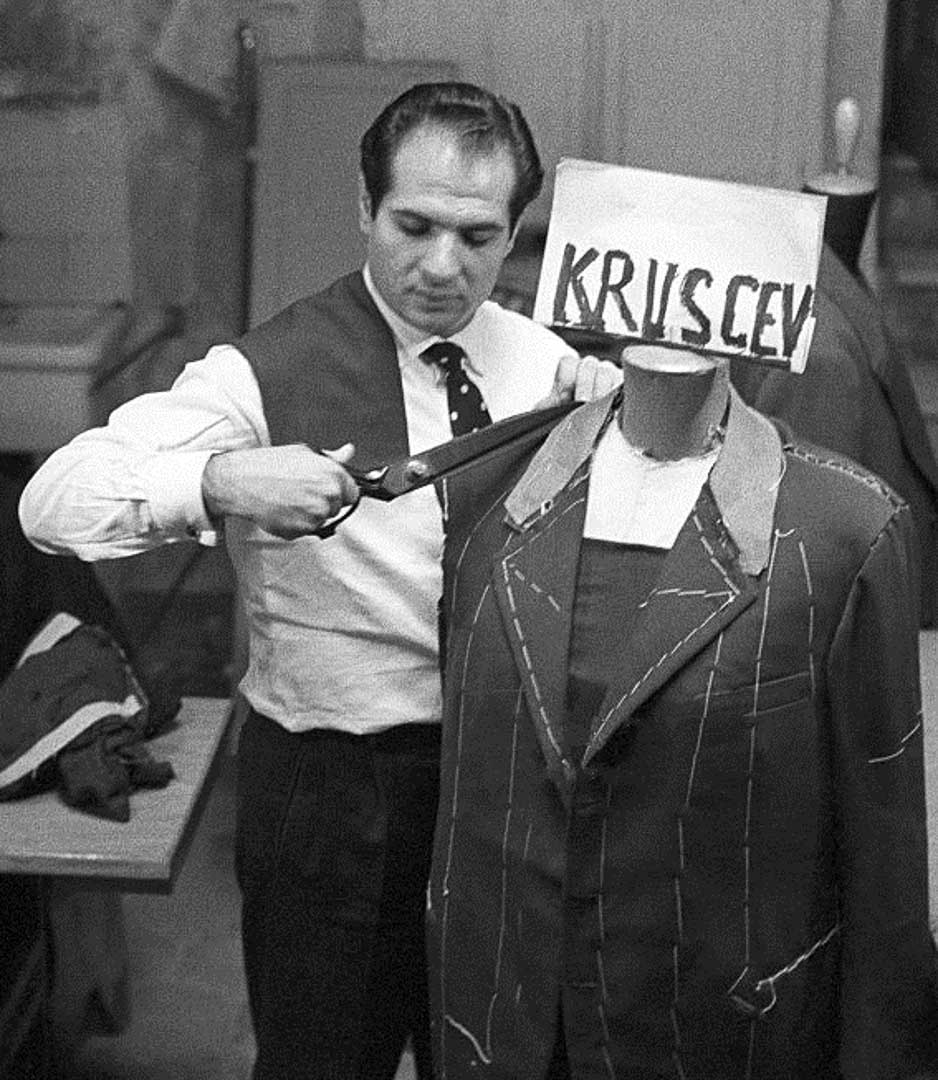
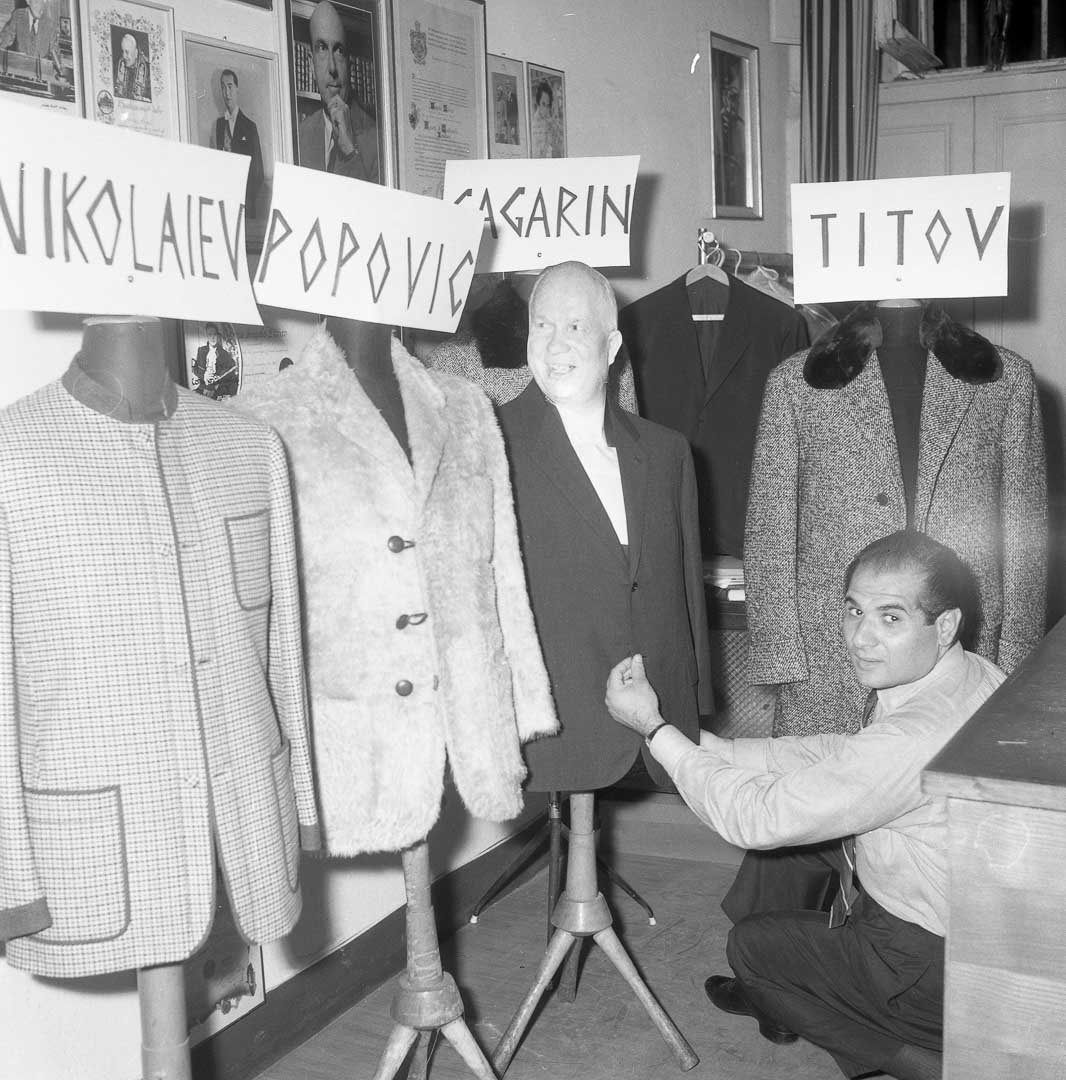
He remembered a lesson from his Sicilian upbringing: When visiting someone’s home, you bring a gift. As a tailor, there was only one real option; he decided to make a coat for the Soviet Premier, Nikita Khrushchev. Though he had never seen him in person, only having photographs and newspaper clippings to work from, he created a bespoke vicuña wool coat with precious fur linings. For Angelo, it wasn’t about the politics. He thought only of the harsh Russian winters, the functionality that beautiful clothing could have when well-made. He thought of protecting the man within the coat from biting winds and relentless snow. Khrushchev loved the coat. As a gesture of thanks, he gifted Angelo a state-of-the-art camera and commissioned a complete wardrobe—including shoes—for his next trip to the United States.
It is said that on October 12, 1959, during a heated session at the United Nations in New York, Khrushchev took off one of his shoes and banged it on the table. If the much-controversial moment stands true, family lore holds that the shoe was definitely a Litrico. Within 24 hours, newspapers around the world, in thirty-seven languages, called Angelo “the tailor who cut through the Iron Curtain with scissors.”
But how had the son of a fisherman from Catania, Sicily found himself in the unexpected position of making a bespoke coat for the Soviet Premier?
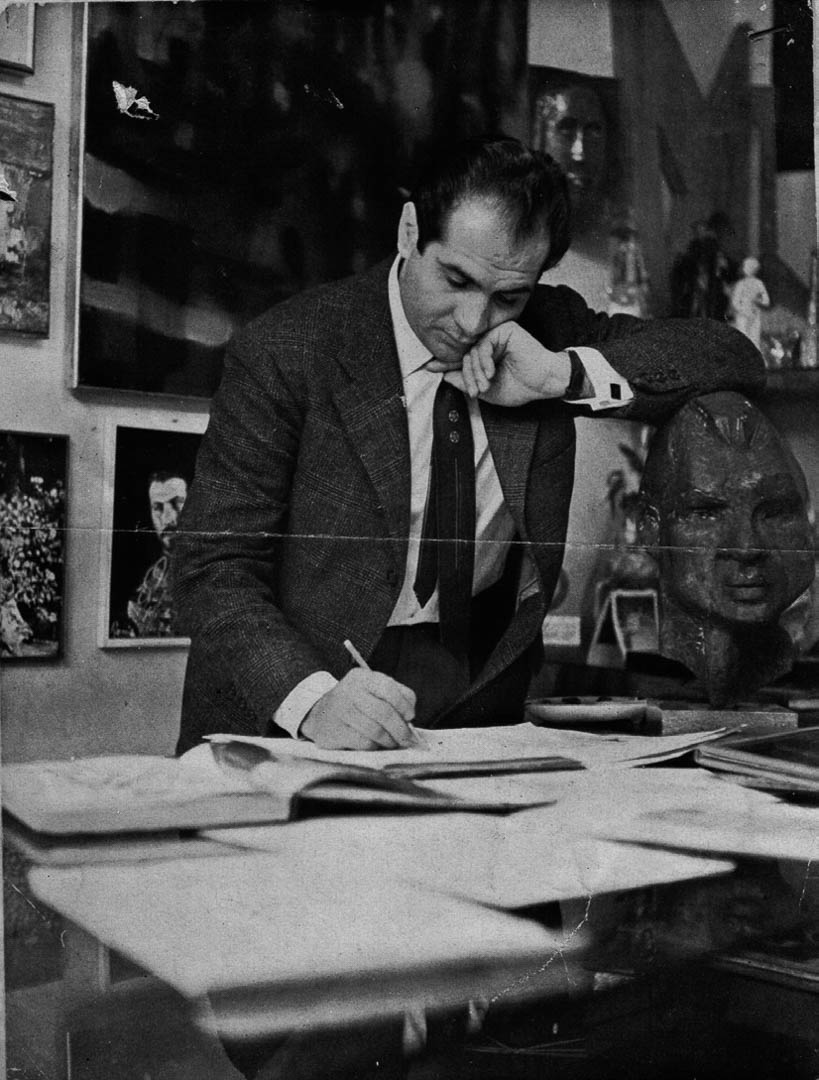
“My uncle Angelo was born in Catania, Sicily, in 1927. He was the first of twelve children in a family of fishermen. My father worked the sea with the same hands I would later use to work silk. We had no privileges. No formal education worth mentioning, but we had dignity. As a young boy, he loved playing soccer with his friends. By a twist of fate, he suffered an accident that resulted in the amputation of his leg. His disability never hindered his talent; it was barely noticeable, and few knew. Soon after, he began working in a small tailor shop in my town—threading needles, filling pin cushions, preparing irons. Small tasks that others might consider insignificant. But he performed them with seriousness, responsibility, and love. With humility. Because he understood something fundamental early on: No work is insignificant when done with heart. He watched the master tailors at work. He saw how their hands transformed fabric into something greater: confidence, respect, identity. And something inside him awoke—a voice saying: this is for you.”
Thus was born a master to his craft. These humble beginnings gave Angelo a grounded start to life and an appreciation for hard work. Thereafter, Angelo left the beautiful but limited Sicily, heeding the call of Rome, the Eternal City, “where history and the future met every day on the streets.”
Angelo arrived with empty pockets but a suitcase full of dreams. Though he knew no one in the city, he had an unflagging certainty that he could find his place by the skill of his hands. He found a job in a tailor’s shop on the outskirts of the city, “but his curiosity and ambition constantly pushed him toward the heart of Rome, toward Via Veneto, where La Dolce Vita was quietly taking shape […] He walked down Via Sicilia and saw a small tailor shop. He went in and asked for a job. They gave him a chance.”
And that’s where it all began. He had arrived in Rome at an integral moment: La Dolce Vita in the late 1950s and ’60s was crucial in projecting Italian tailoring onto the international stage, especially Roman and Neapolitan styles. Cinema, Rome’s glamour, and figures like Marcello Mastroianni turned the Italian suit into a symbol of modern elegance. Tailoring went from local craft to global reference. Brands like Brioni, Caraceni, Kiton, Isaia, and Neapolitan ateliers gained worldwide prestige. La Dolce Vita transformed Italian tailoring into a global cultural language: less rigidity, more character, comfort, and natural sophistication—a legacy that still defines Italian style today.
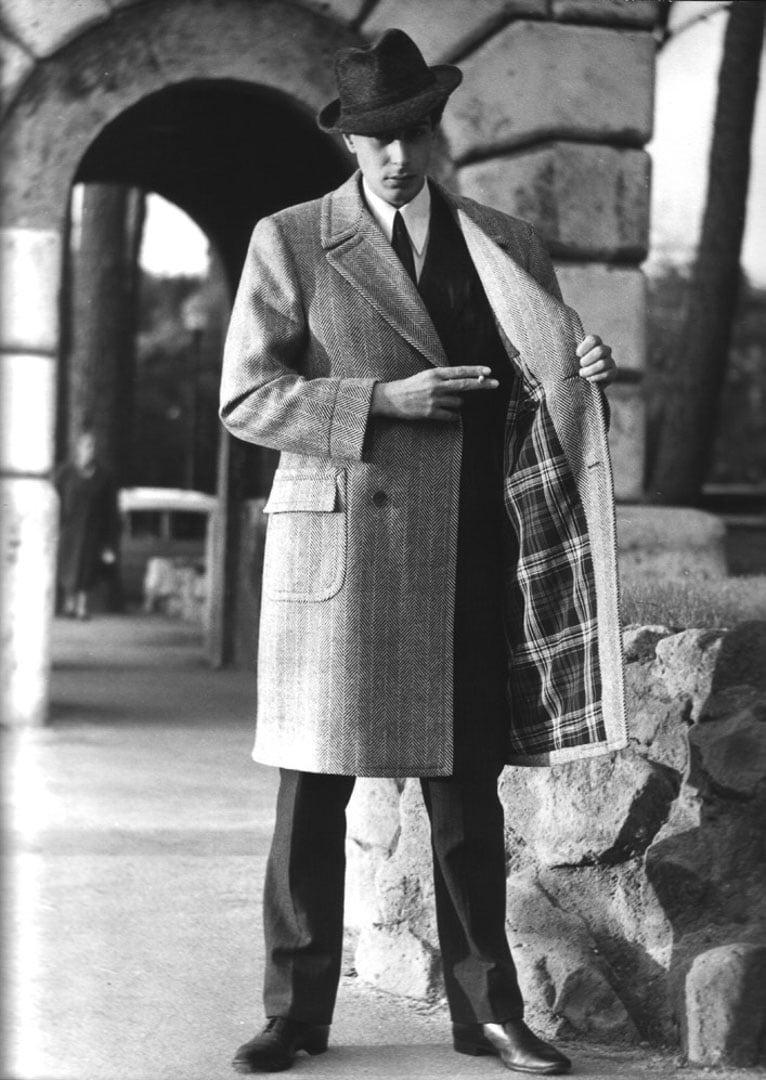
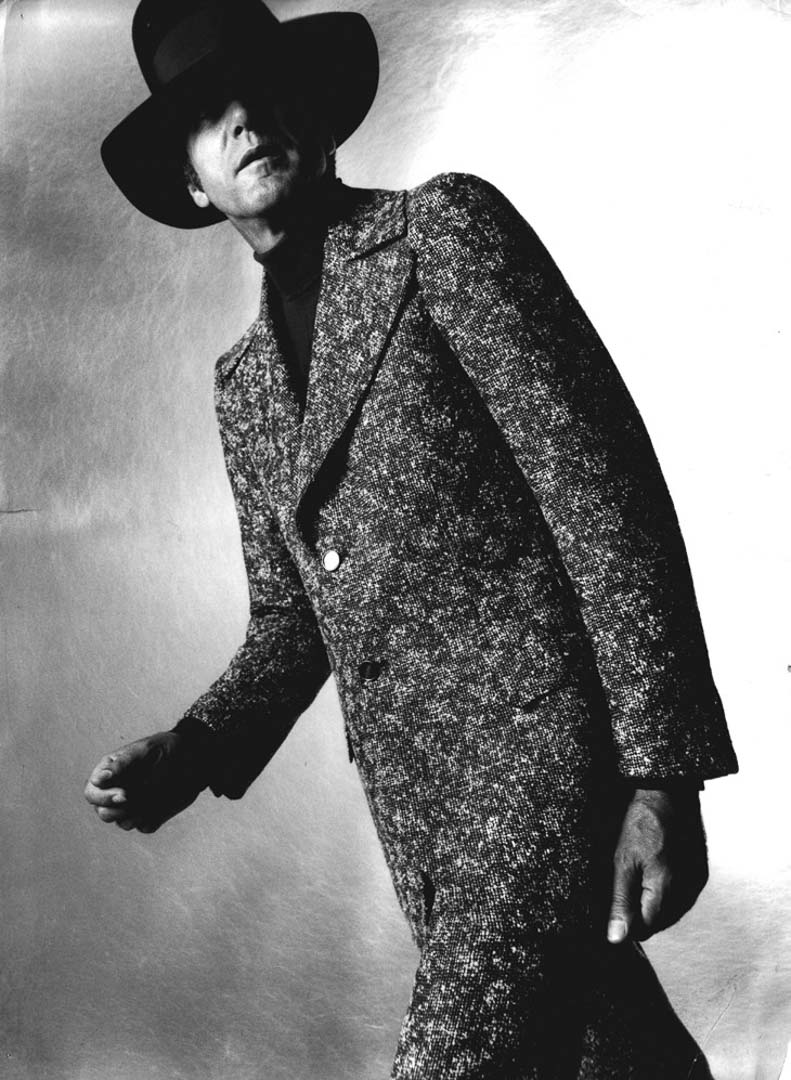
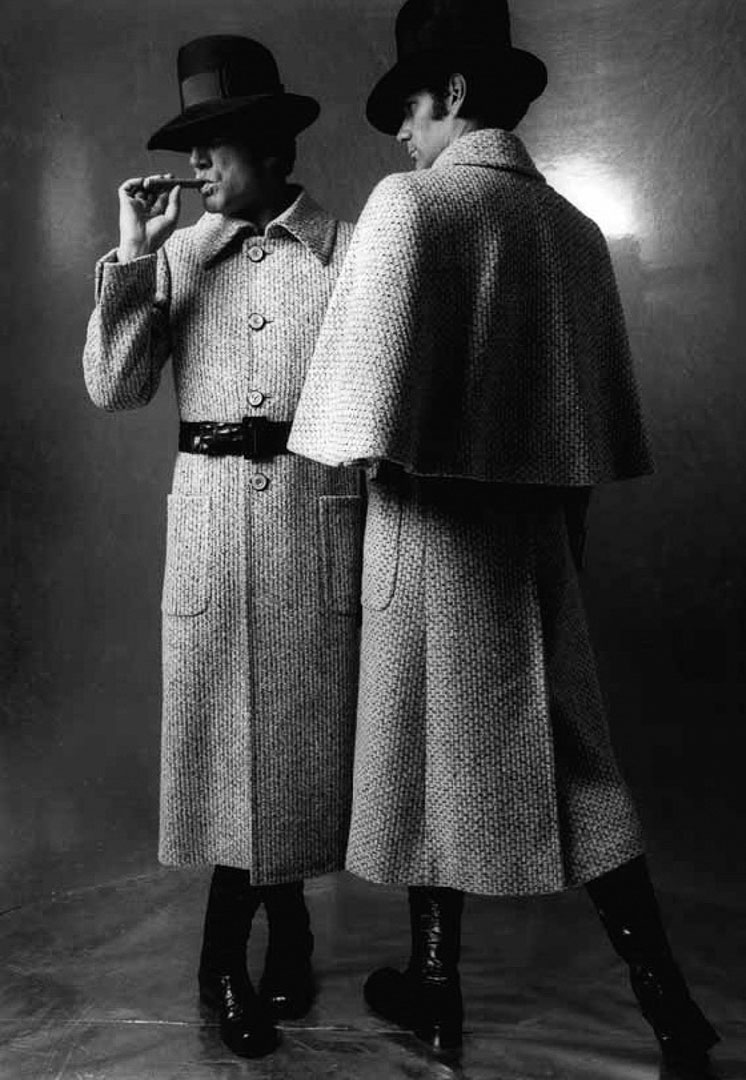
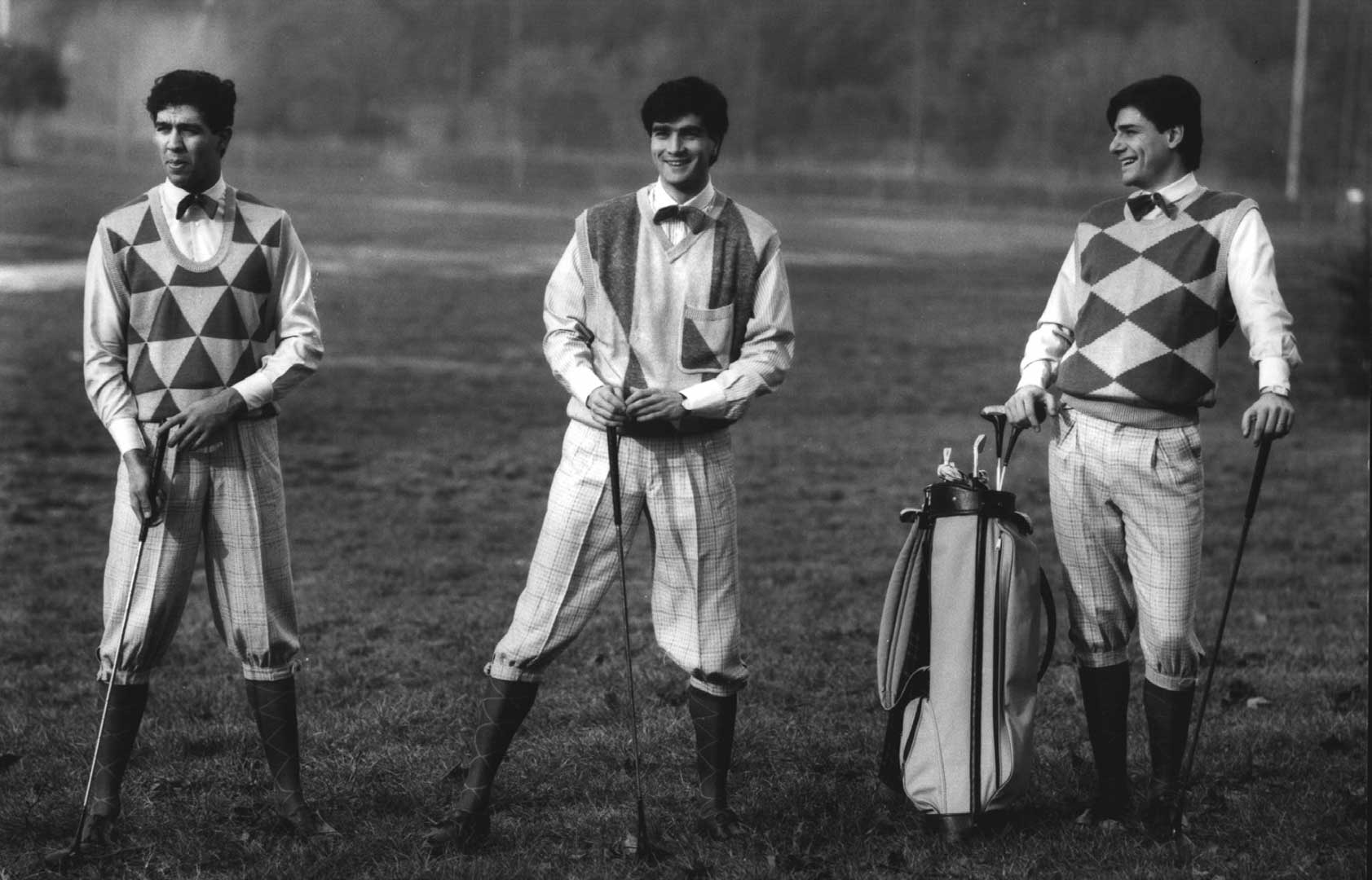
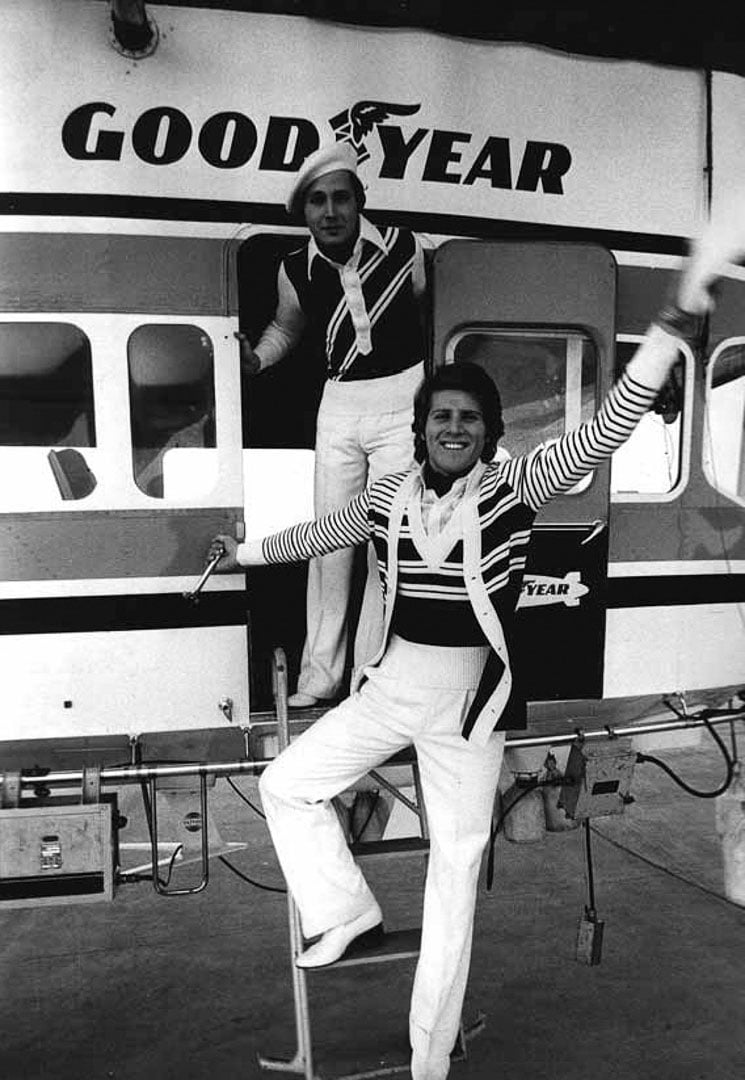
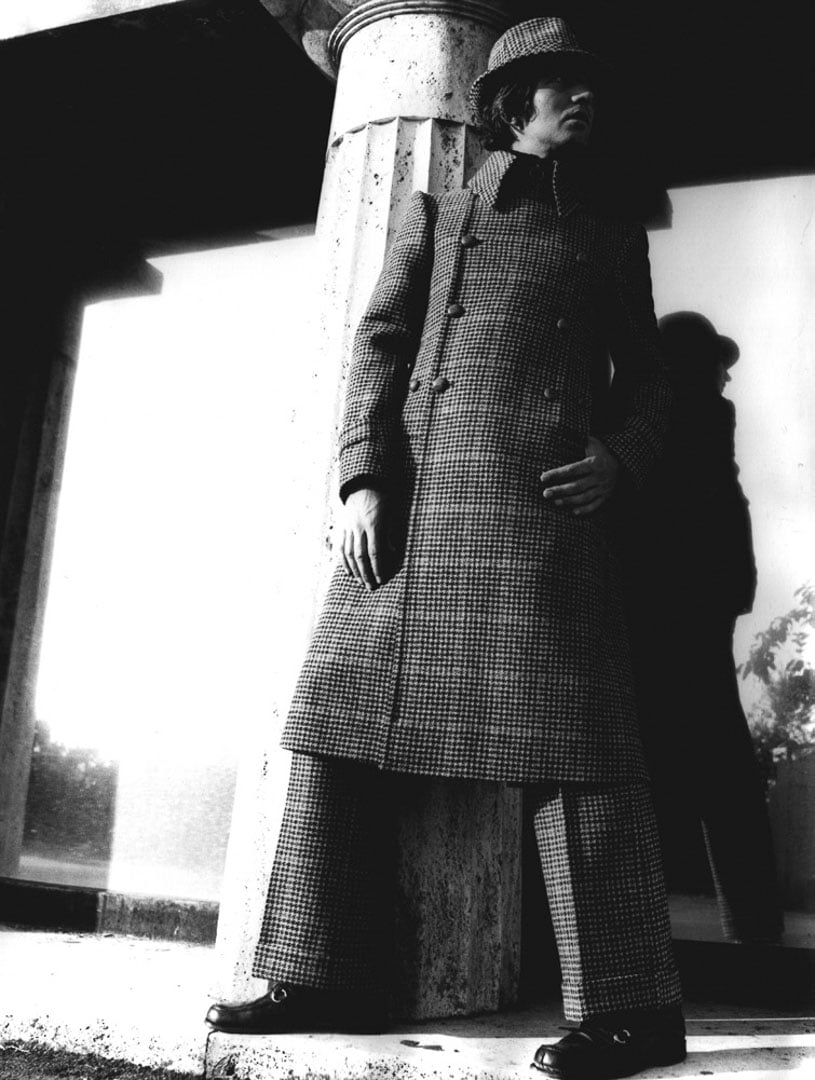
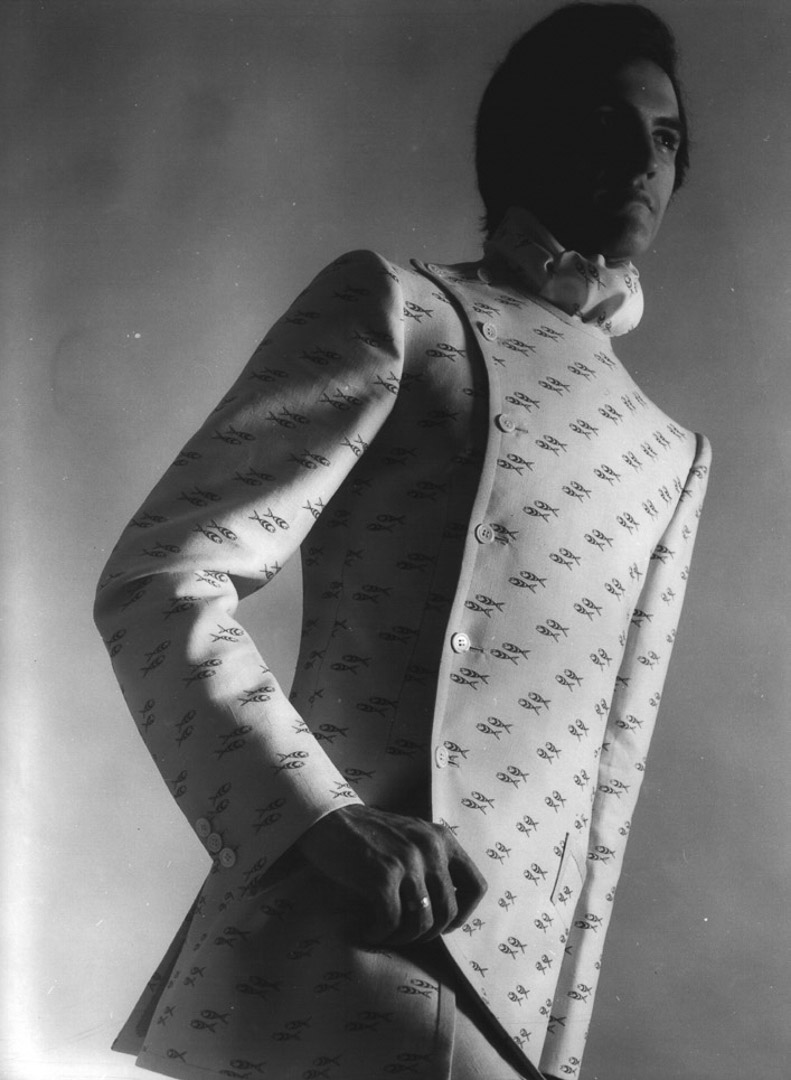
Gradually, with discipline and creativity, Angelo developed a personal style. He made clothing for himself that caught attention, not for ostentation, but for clean lines, confident colors, and the silent authority of the fabric. He proposed an alternative to the rigid British suit using a lighter silhouette, natural shoulders, softer and more comfortable fabrics. From these principles was born a relaxed, sensual, and contemporary elegance for the time. This approach to tailoring, wherein the garment was allowed to speak of its own elegance, would prove irresistible to the fashionable for Rome.
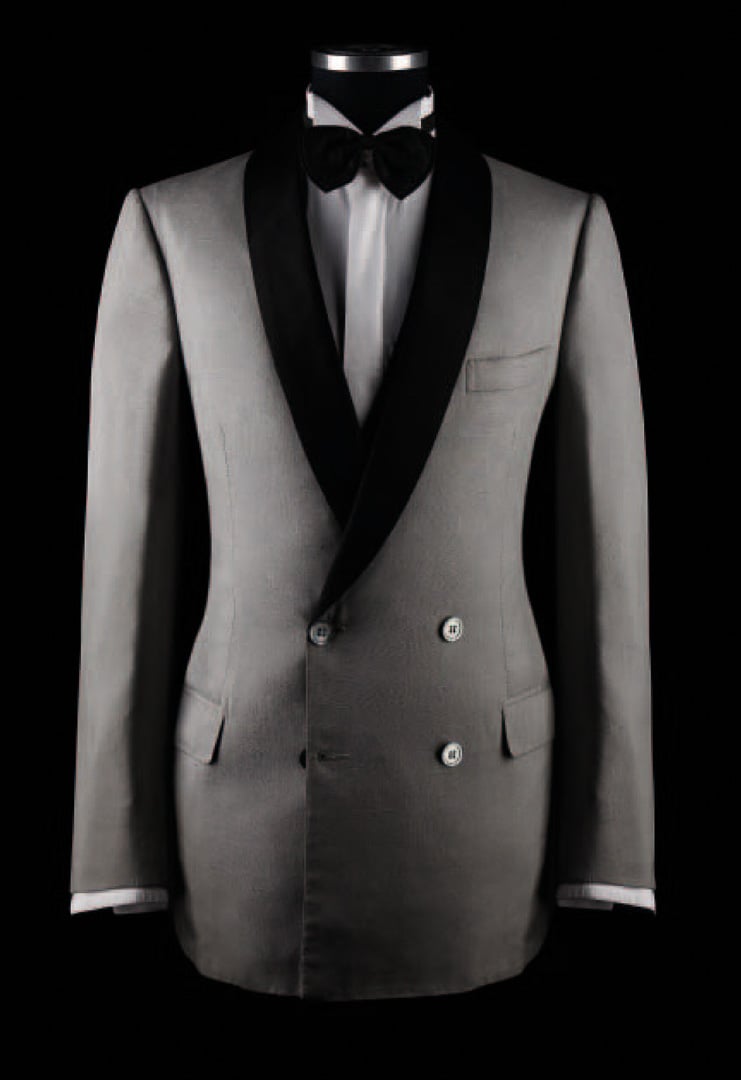
On a fateful night, Angelo attended the opera wearing a silk dinner jacket he had made himself. In the lobby, a man approached him. It was the great Italian actor and director Rossano Brazzi. He asked who had made his jacket. Angelo blushed shyly at the compliment, and though he was too diffident to admit that he had made it with his own too hands, he nonetheless passed Brazzi a card with his address on it. The very next day, Brazzi knocked on his door and ordered two suits. He paid generously, more than Angelo had expected. At that moment, Angelo realized that his philosophy had been proved right: “Elegance speaks for itself. It does not need to shout. It does not need explanation. It simply is.”
From this moment on, his atelier began to attract politicians, intellectuals, artists, and actors. “He never sought fame. Fame found him because he never dressed to show power. He dressed to give dignity. To him, elegance was never about excess. It was balance. Harmony. Respect for the individual. He spoke only Sicilian, yet his name—through persistence, work, and respect—opened doors that no one could close.”
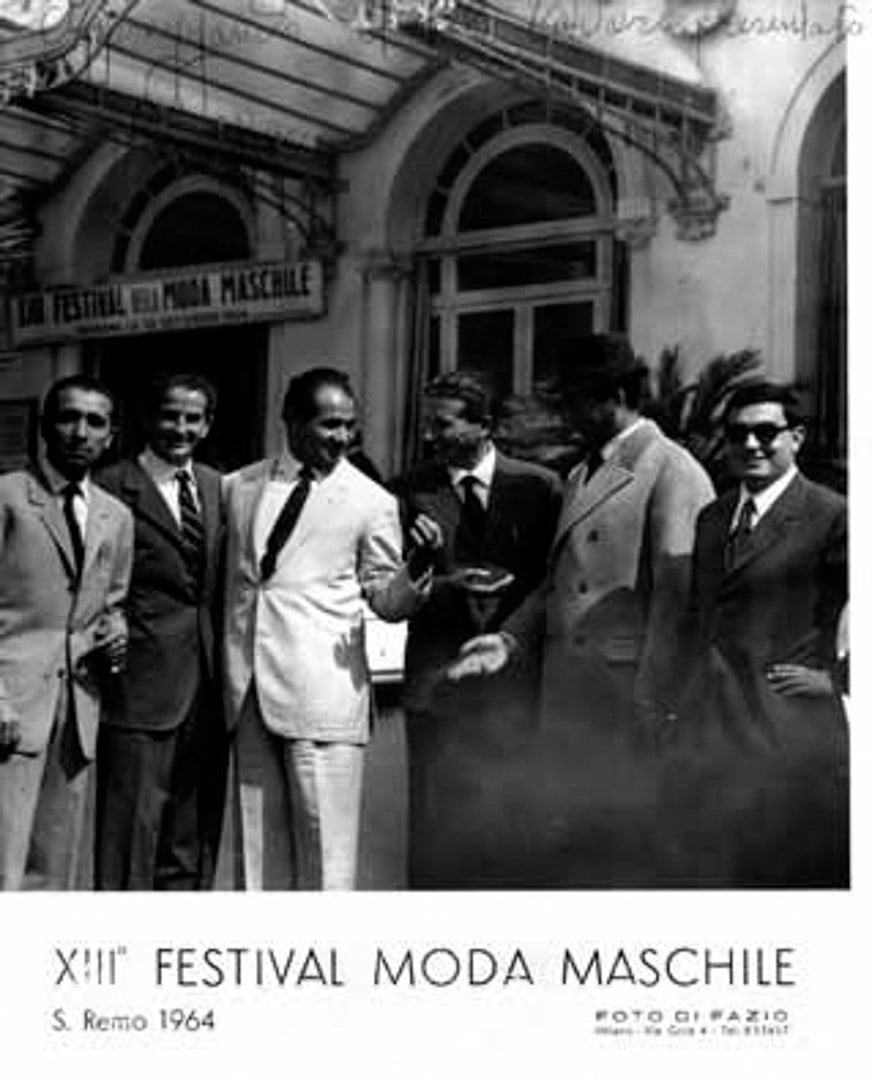
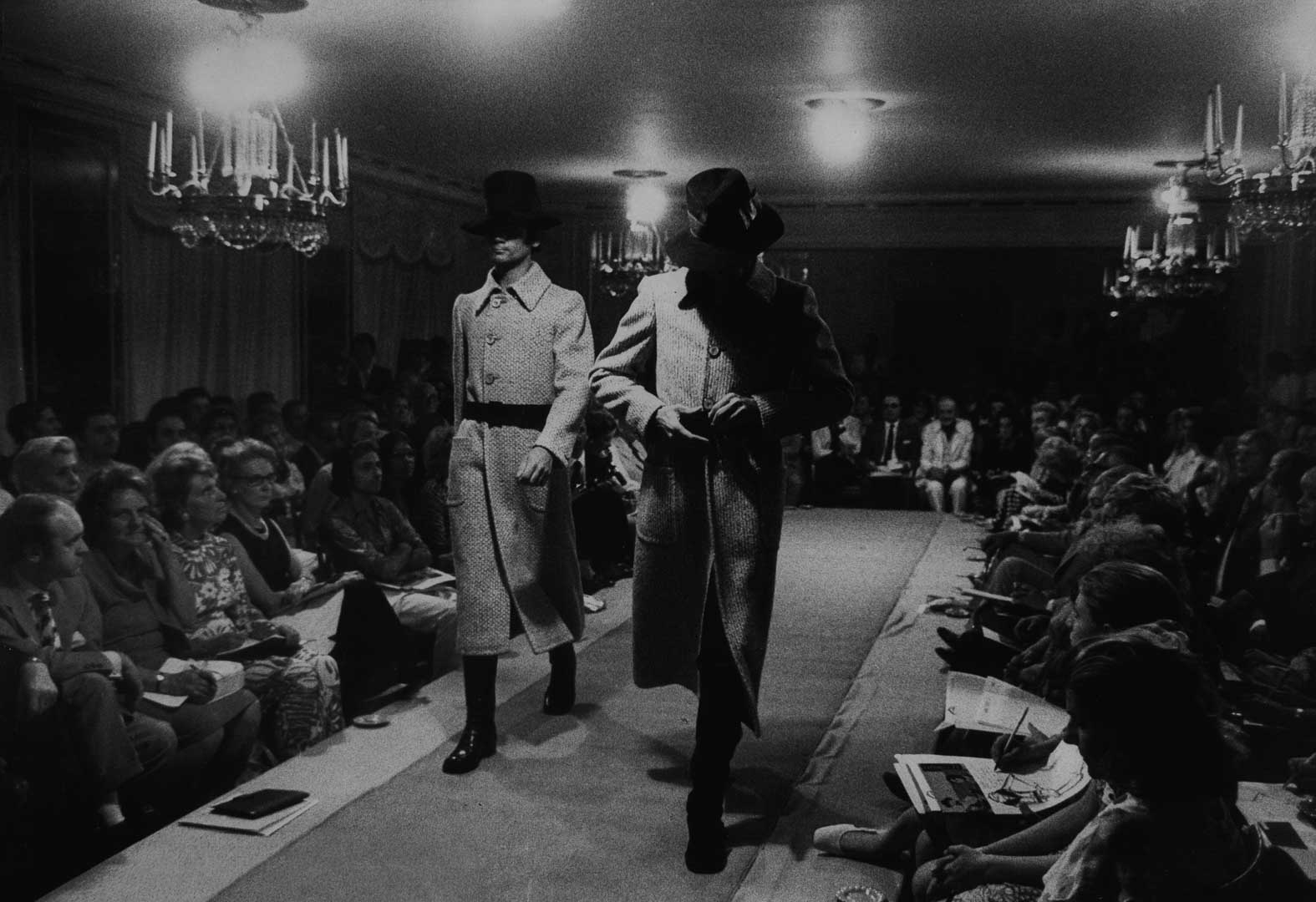
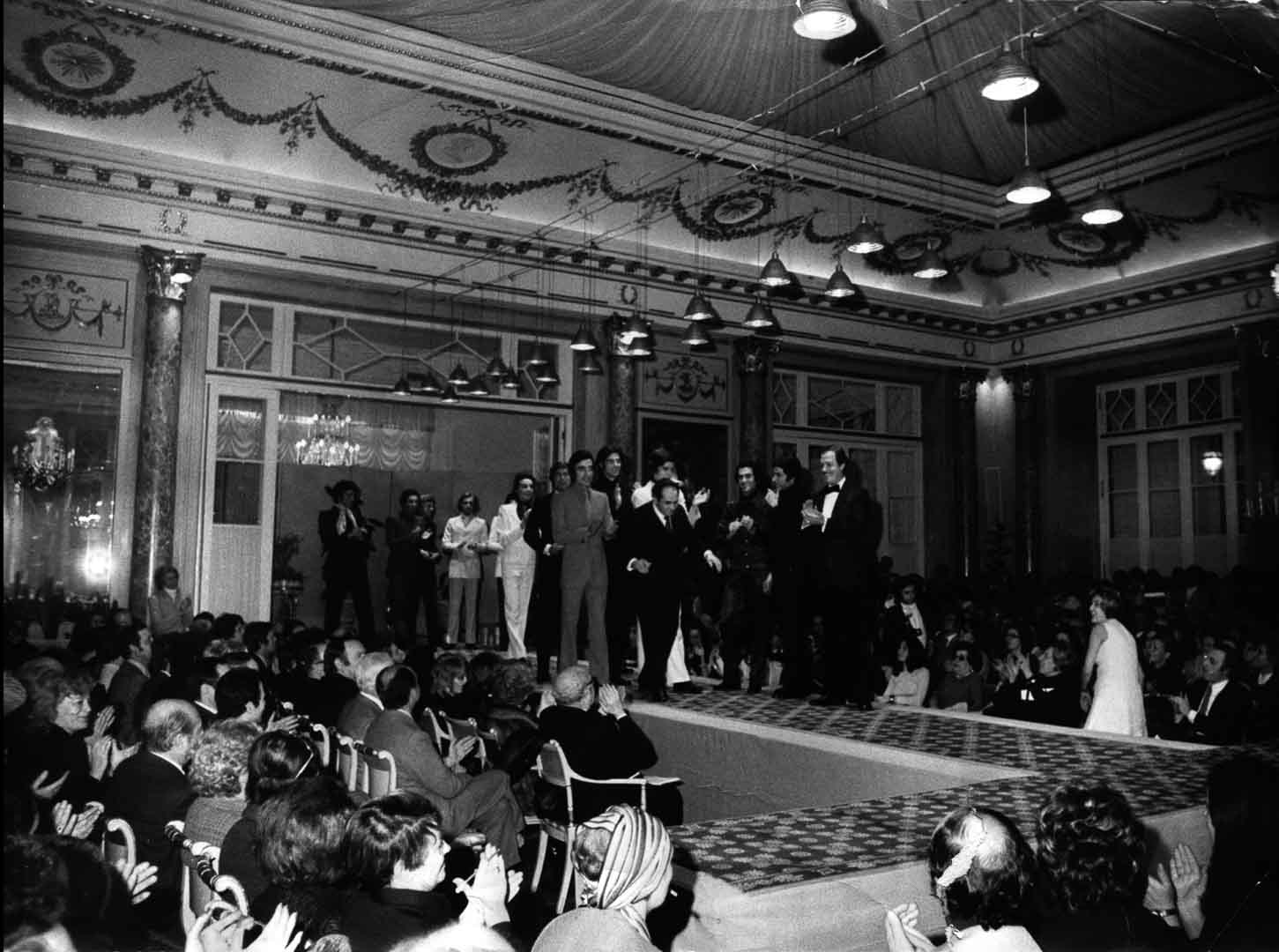
This success would embolden him, and in the 1950s, Angelo did something bold that men considered crazy: He organized the first men’s fashion show in history. At this time, fashion shows were considered only for women; it was considered shameful for a man to walk a runway. “But he thought: why can’t a man be presented with the same dignity, beauty, and attention to detail?” He gambled on this daring feat, and he was rewarded with success.
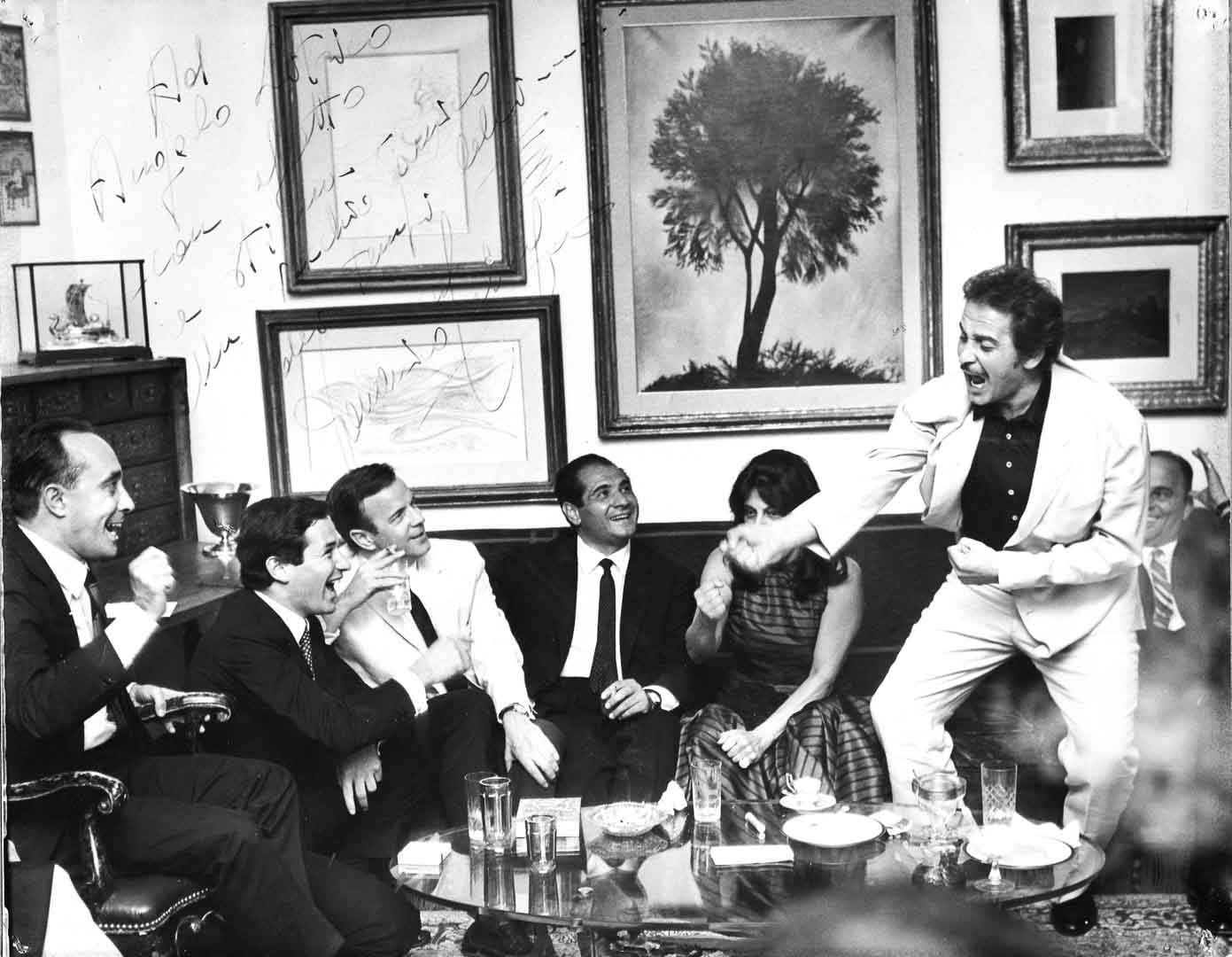
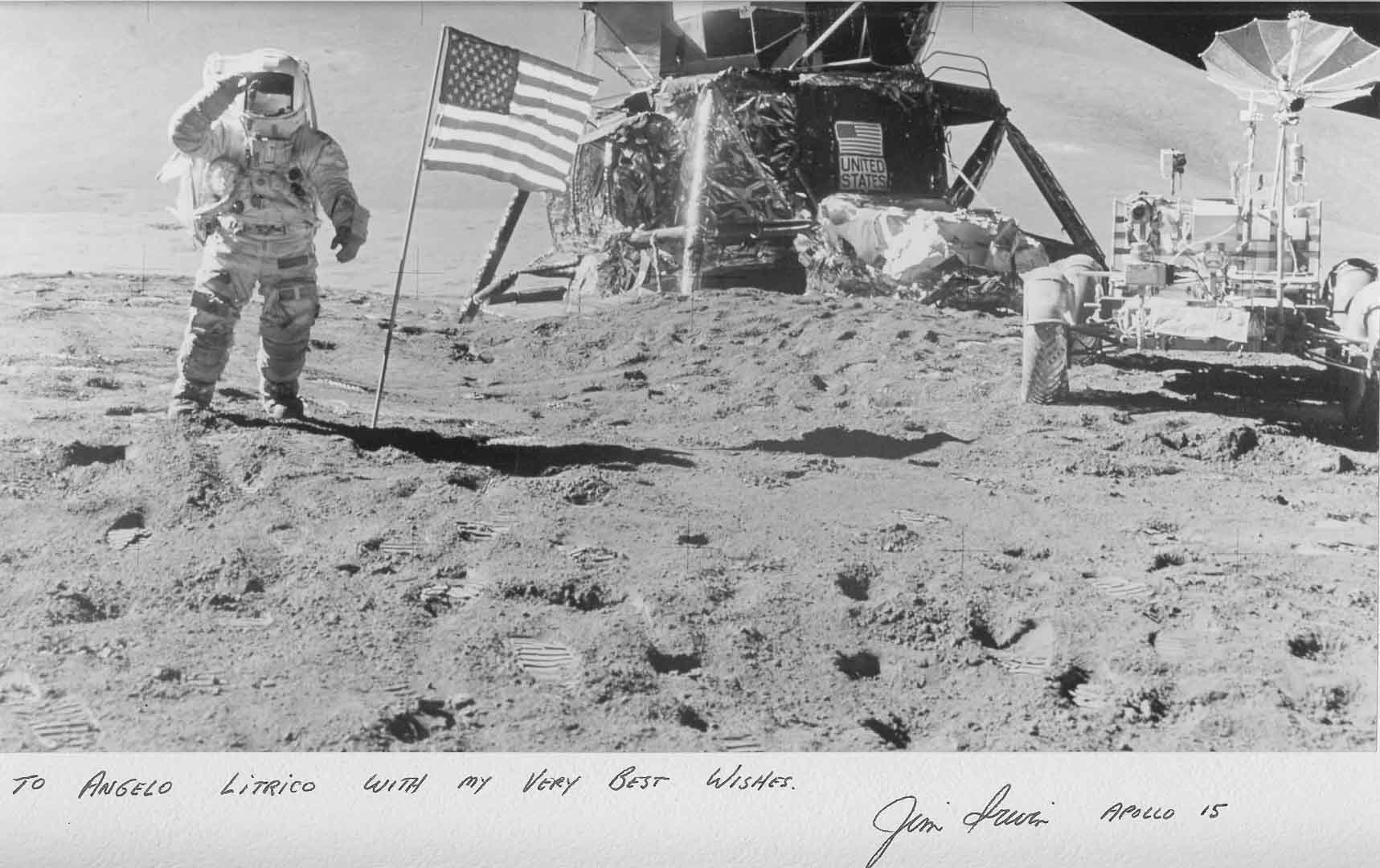
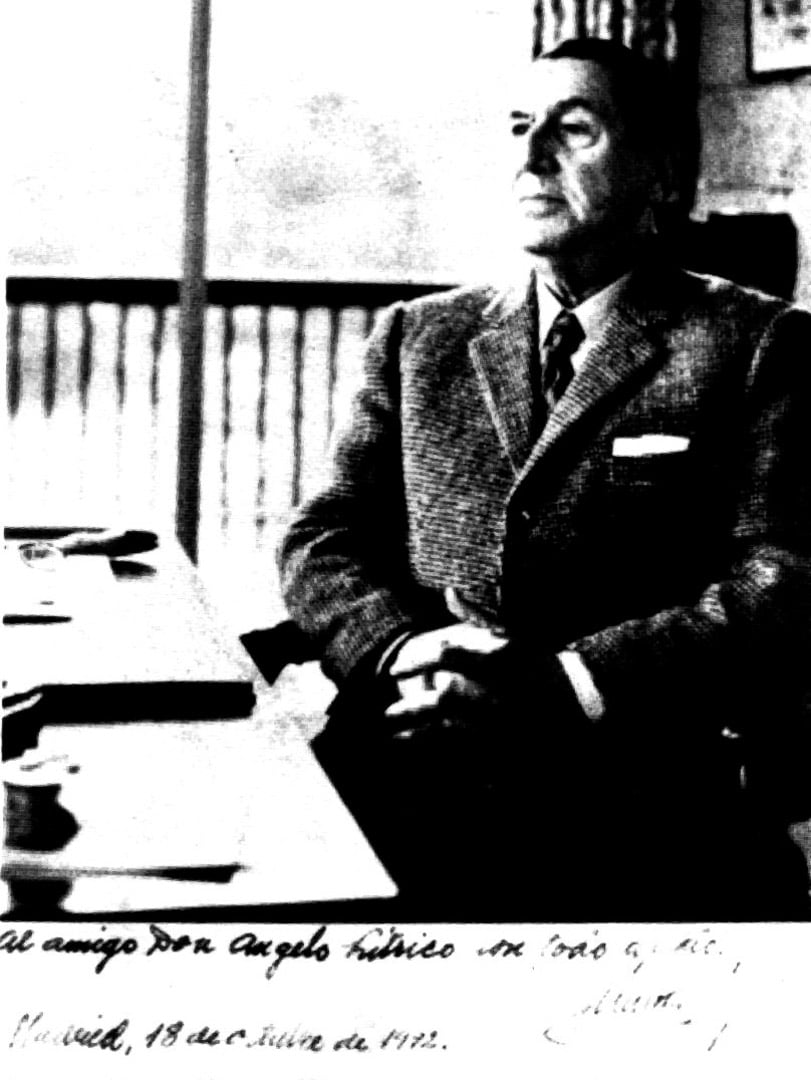
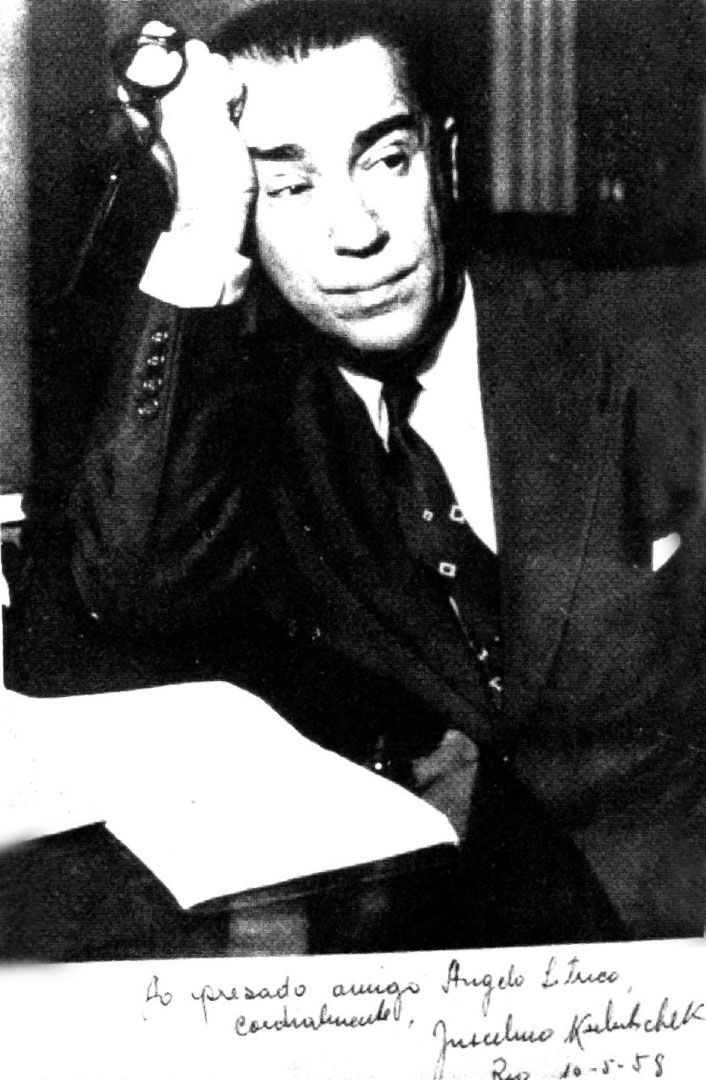
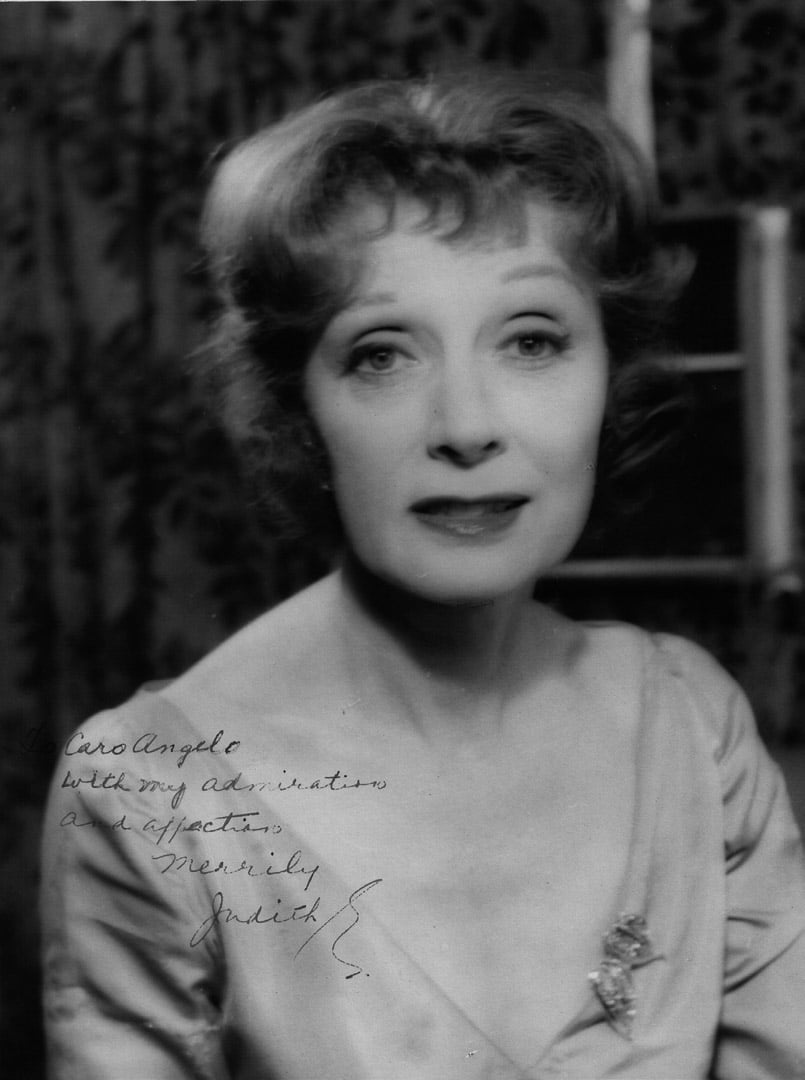
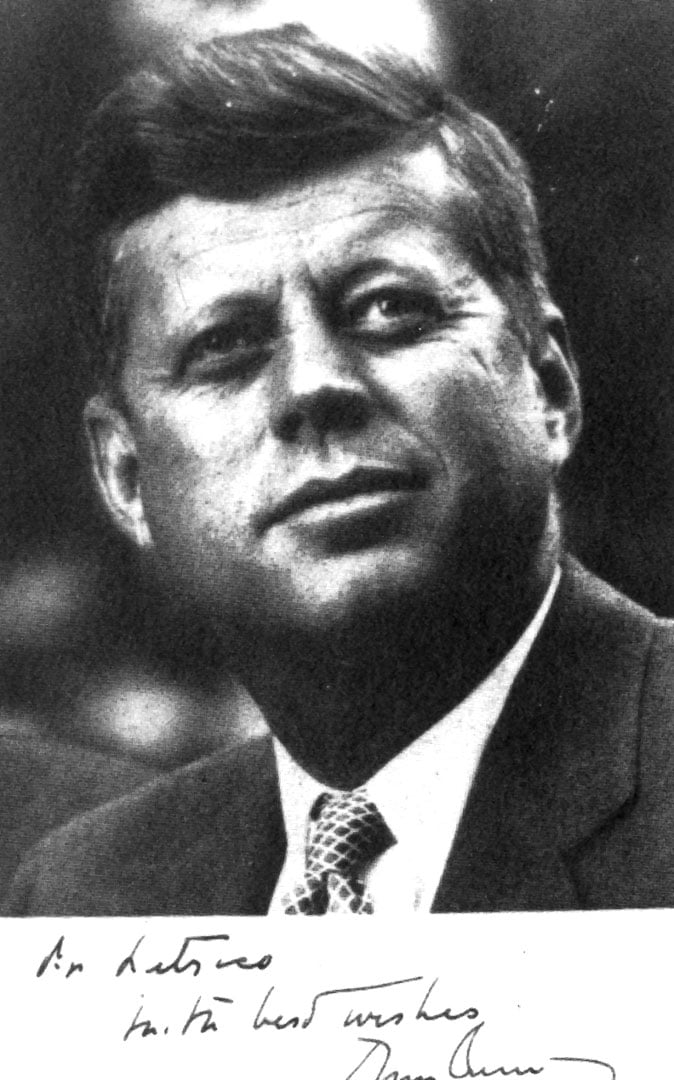
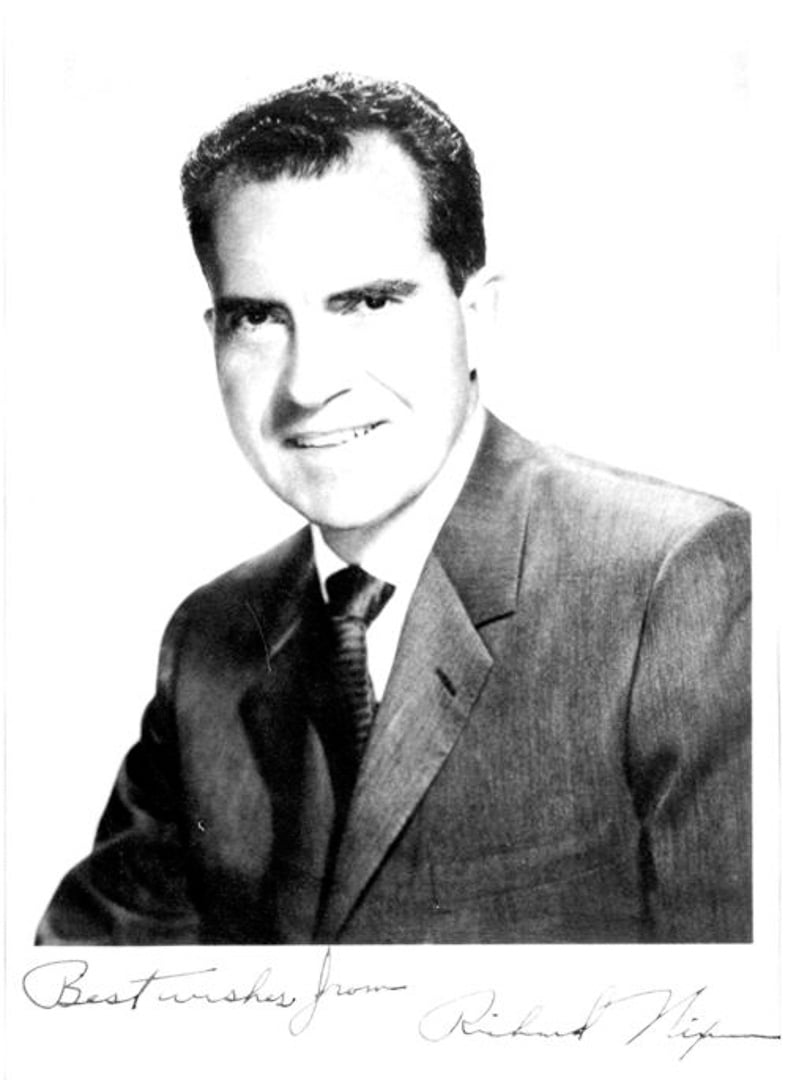
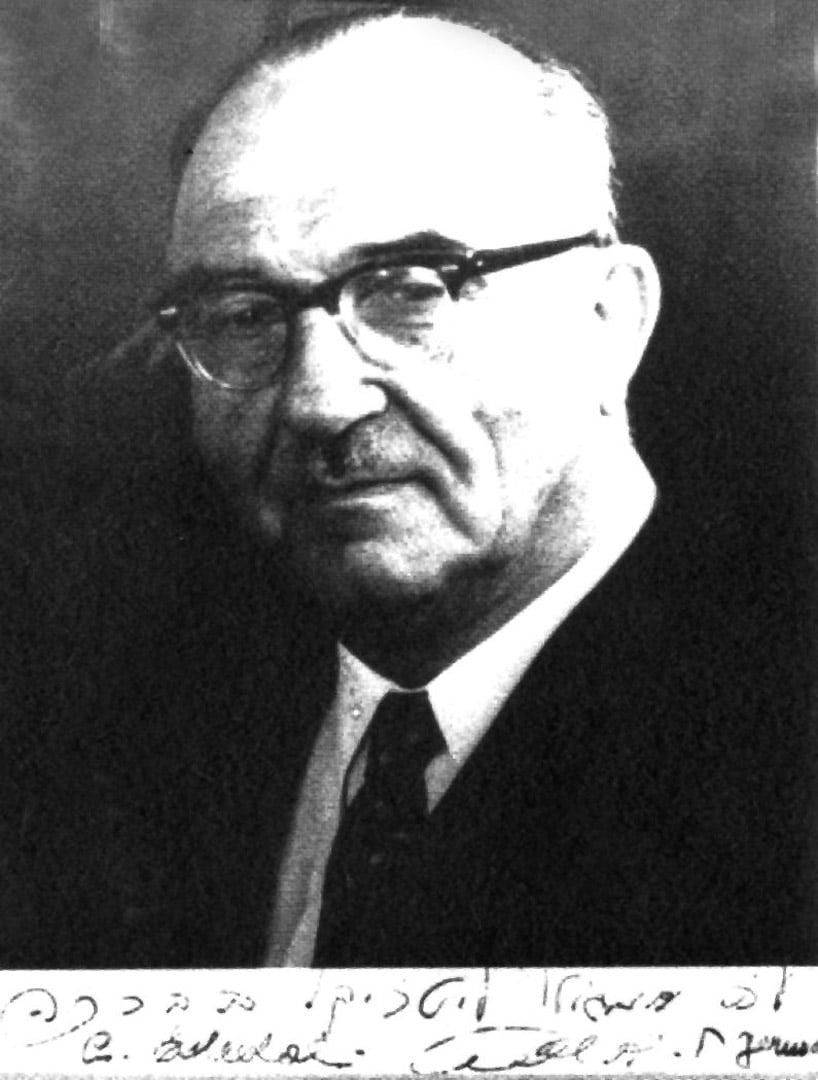
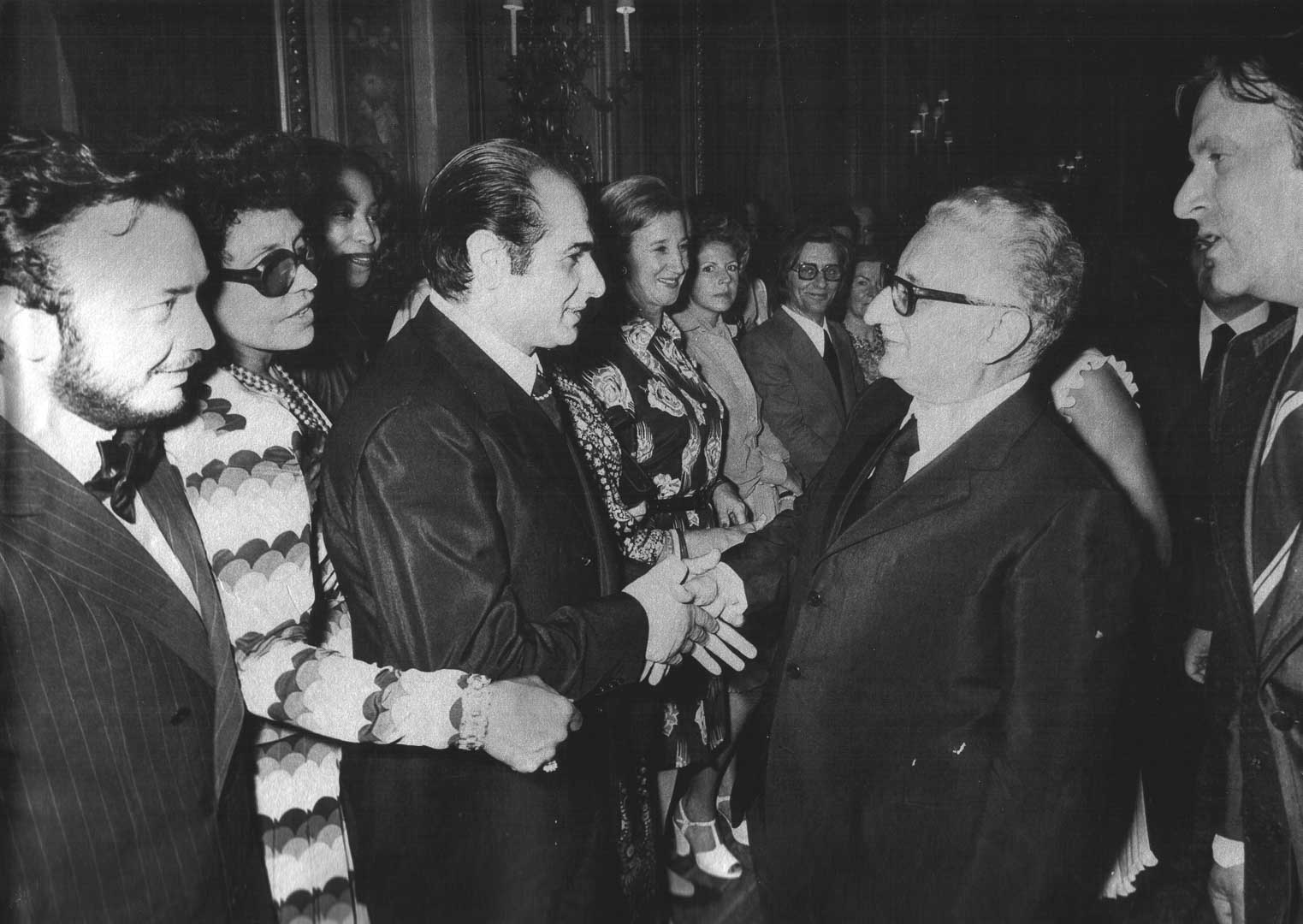
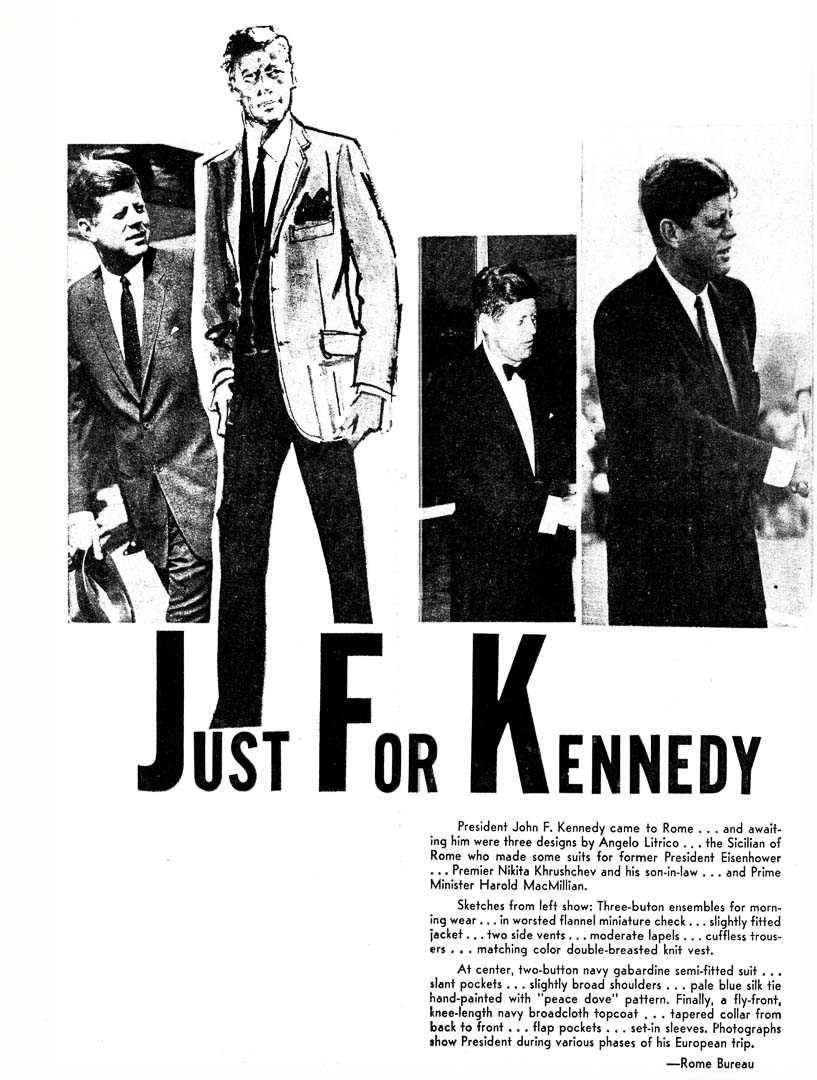
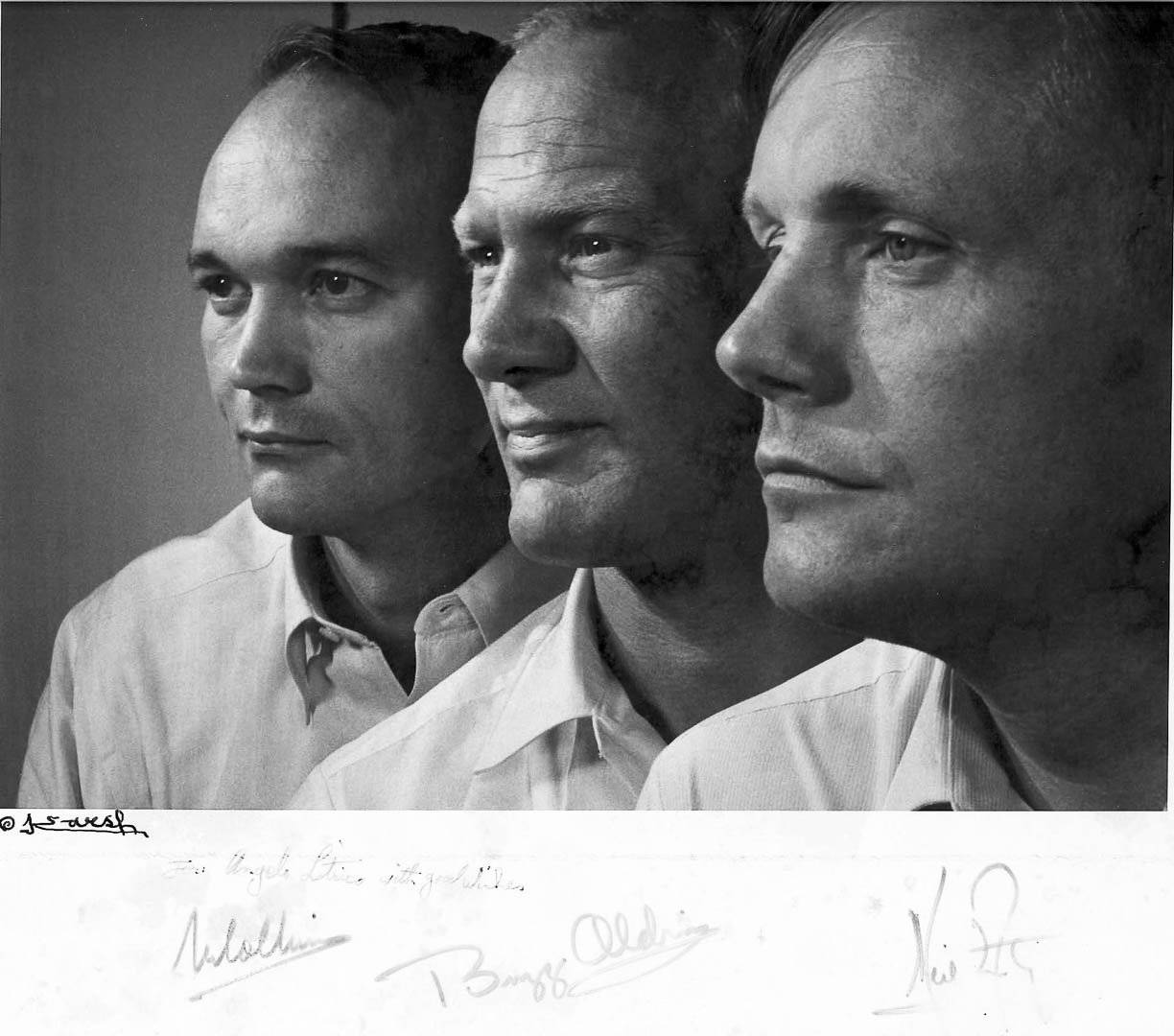
He placed men alongside women and forever transformed the presentation of men’s fashion. And, of all places, that show took place in Moscow, in Nikita Khrushchev’s Soviet Union. Following these successes, his Roman atelier became an international meeting point. He dressed heads of state and world leaders including John F. Kennedy, Richard Nixon, Josip Broz Tito, Juan Perón, Gamal Abdel Nasser, King Hussein of Jordan, King Umberto of Savoy, Dwight D. Eisenhower, Harold Macmillan, and Juscelino Kubitschek. It wasn’t merely powerful heads of state who flocked to his atelier. He also dressed artists like Marcello Mastroianni, Richard Burton, Vittorio Gassman, Domenico Modugno, and poets like Salvatore Quasimodo and Giuseppe Ungaretti.
Despite this success, he never considered himself a man of power. He always saw himself as a craftsman. “On one of his international trips, a journalist asked what car he drove, expecting Lamborghini or Alfa Romeo. Smiling, he replied, ‘I drive a Singer.’”
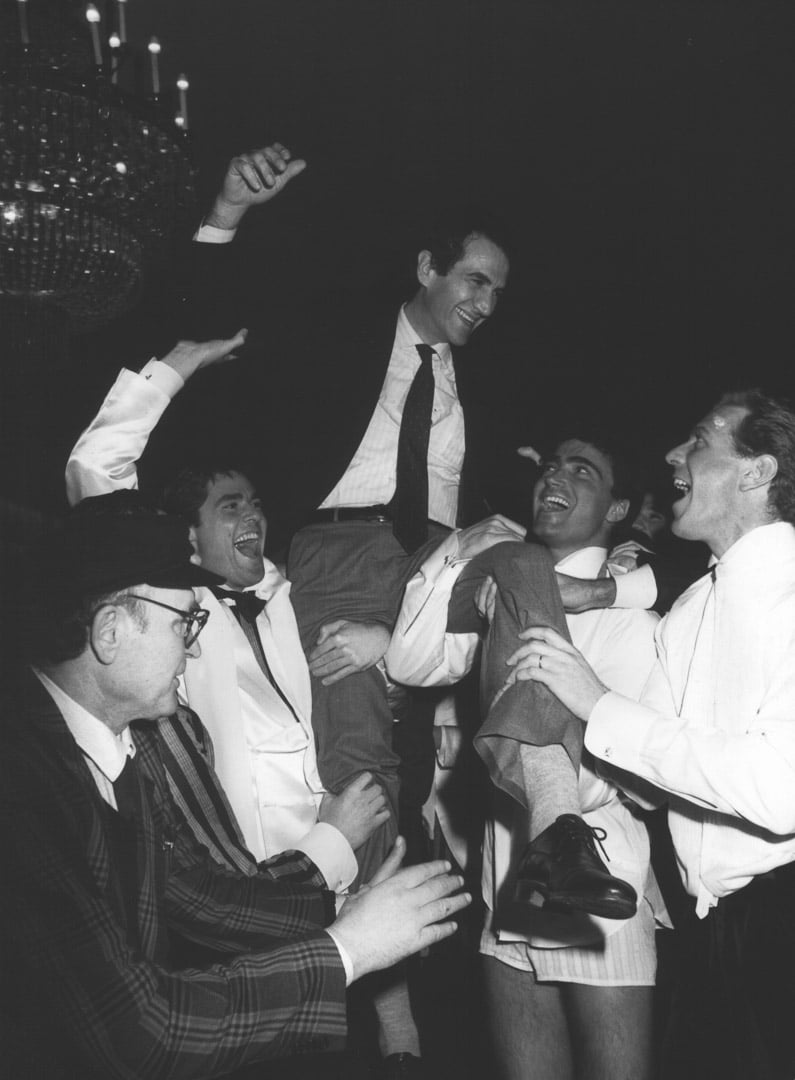
“Despite success, he remained profoundly human. He never married, but family was always most important. He attended weddings, baptisms, and unforgettable family moments. He loved his nieces and nephews with sincere devotion. He supported humanitarian causes and funded life-saving surgeries for children in Cape Town and elsewhere, in collaboration with Professor Christiaan Barnard. Because elegance is not just about the clothes you wear. It’s about how you live. How you treat others. Who you are when no one is watching.”
Over the years of his remarkable life, Angelo Litrico lived by a simple legacy, that fashion changes and style endures. As Yves Saint Laurent said, “Trends fade—style is eternal.” Sartoria Litrico became a shining beacon of elegance and style because of Angelo’s embracing of this philosophy: “Style speaks for you even without words. It does not depend on a massive budget or an infinite wardrobe. It depends on clarity. On knowing how to choose. On being yourself.”
So, what does a master tailor who learned from one of the great masters, his own uncle, have to say to the young tailors and wielders of needles around the world? “To young people starting in this noble craft […] I say this: Observe. Listen. Don’t talk too much at first. Elegance begins with behavior, not clothing. Respect the fabric. Respect tradition, but never fear innovation. Always remember: you are not dressing fabric. You are dressing people. You are dressing lives. You are dressing dignity.”
Inheriting such a torch to carry could easily be a heavy burden, and Luca is not immune to the weight of his uncle’s legacy. “For me, it’s all about balance: keeping continuity without nostalgia, and innovation without breaking with the past. We have a history that many other tailors would give anything to have. Litrico dressed the power and elegance of the 20th century. It was a symbolic place where history, Italian style, diplomacy, cinema and culture all crossed paths. My role today isn’t just to keep things running but to keep the direction clear.
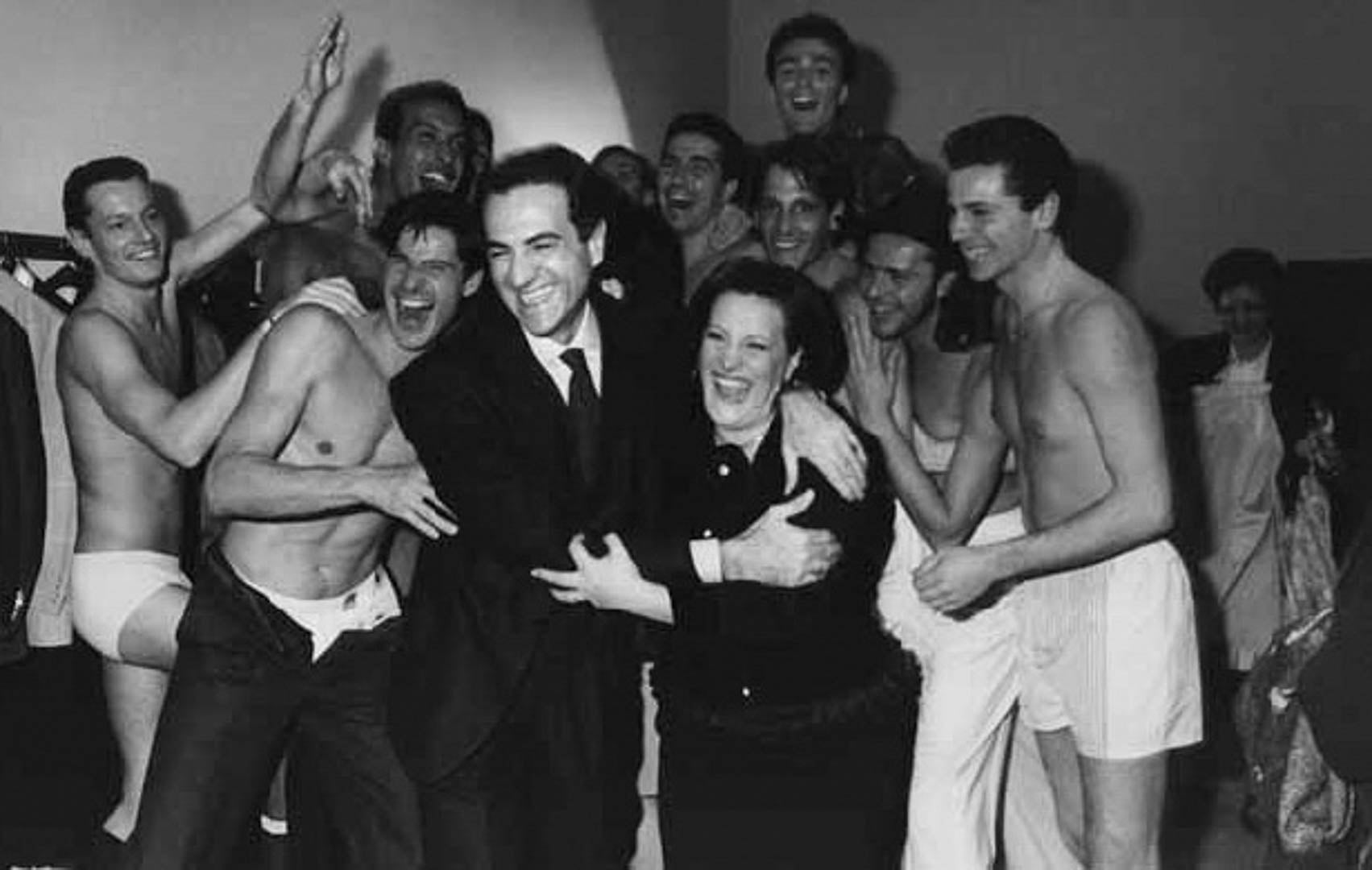
“As the third generation after my grandfather,” he continues, “I represent the identity of the maison. For clients, I’m the face behind the name. For people in this industry, I’m proof that the craftsmanship behind Litrico is real. For the ‘sartoria’ (the tailoring workshop) I’m the balance point between what it has been and what it can still become. I grew up inside the atelier, learning directly from my uncle Angelo and my father Franco. I absorbed the method, the proportions, the discipline, but I look at all of it with contemporary eyes. I don’t copy the past, I reinterpret it. The result is timeless.”
It’s this dedication to preserving the old and traditional while respecting modernity and current expectations that defines the customer experience at the heart of Litrico. “When a client come to my atelier, I put forward the person before the suit. The body isn’t something to fix, but to interpret. No formulas, no repetition, just unique identities woven into fabric. That’s where authenticity comes from. And that’s why people fall in love with it and choose to wear a unique piece made to measure rather than and taking ready-made suit off the rack.” In a world constantly beset by fast fashion, recognizing the art inherent in the custom bespoke experience speaks volumes.
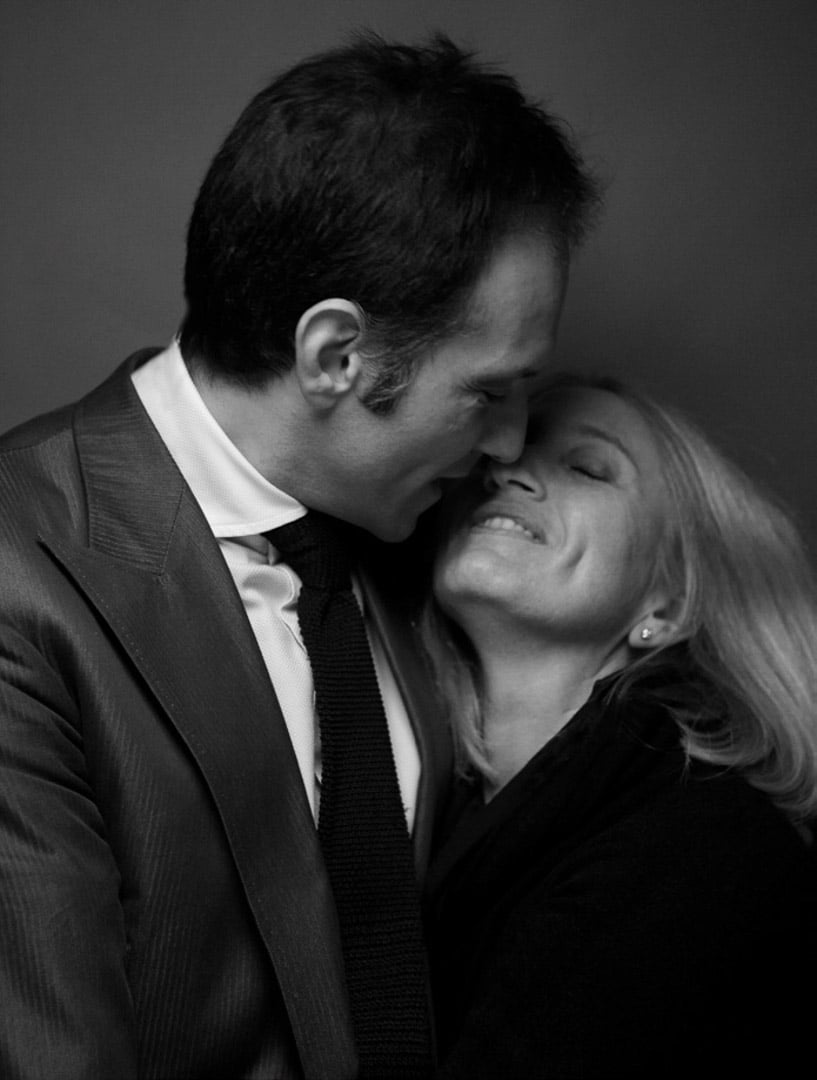
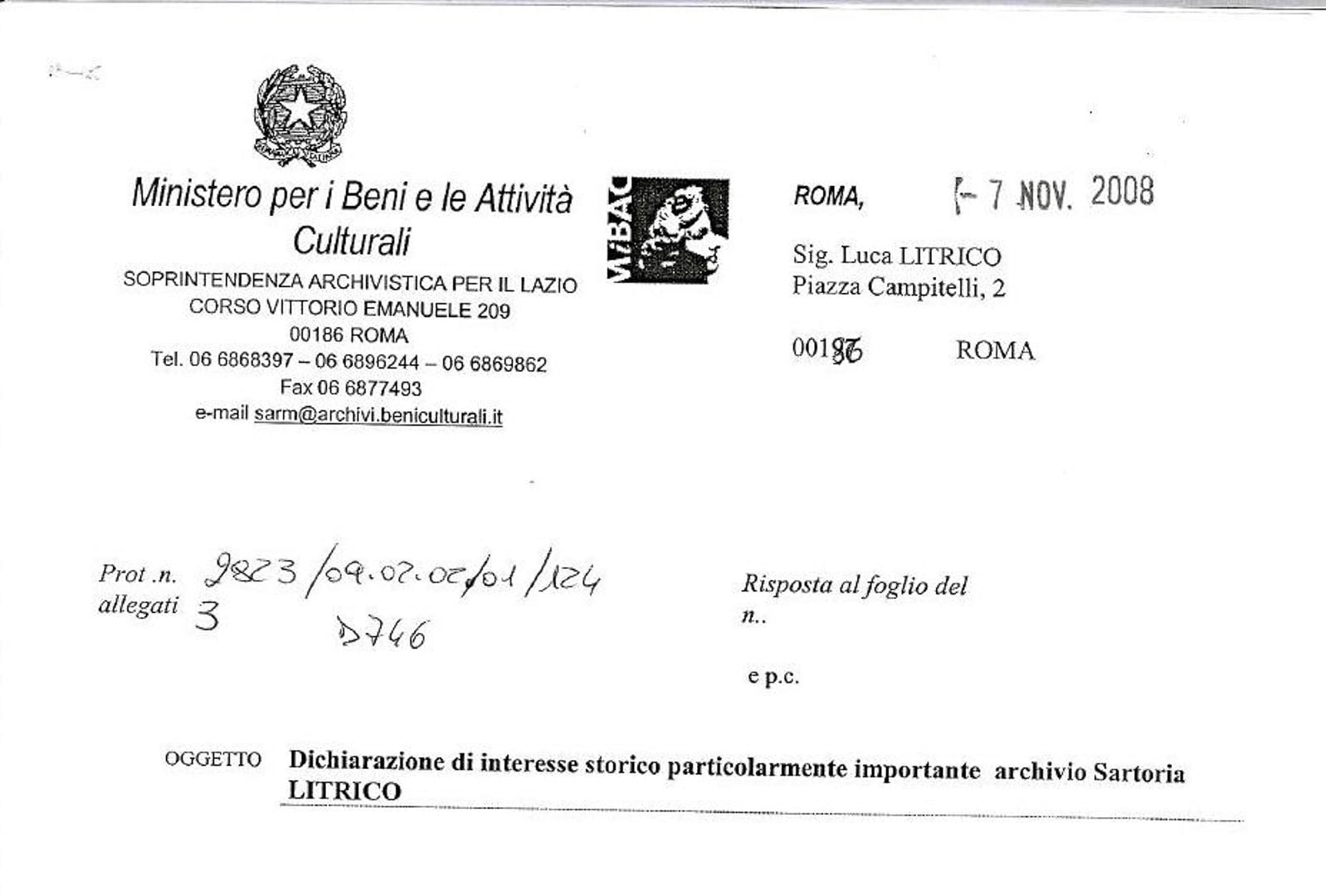
To this end, Luca speaks proudly of the due recognition that Litrico has received, in particular from the Italian Government. “When the Italian Ministry of Culture recognized the Litrico Historical Archive as an asset of international importance, it wasn’t just an award, it was a responsibility. Today, I see myself as a bridge. I carry the weight of a great history, but I live firmly in the present. My job is to keep Litrico alive and meaningful–not frozen in time.”
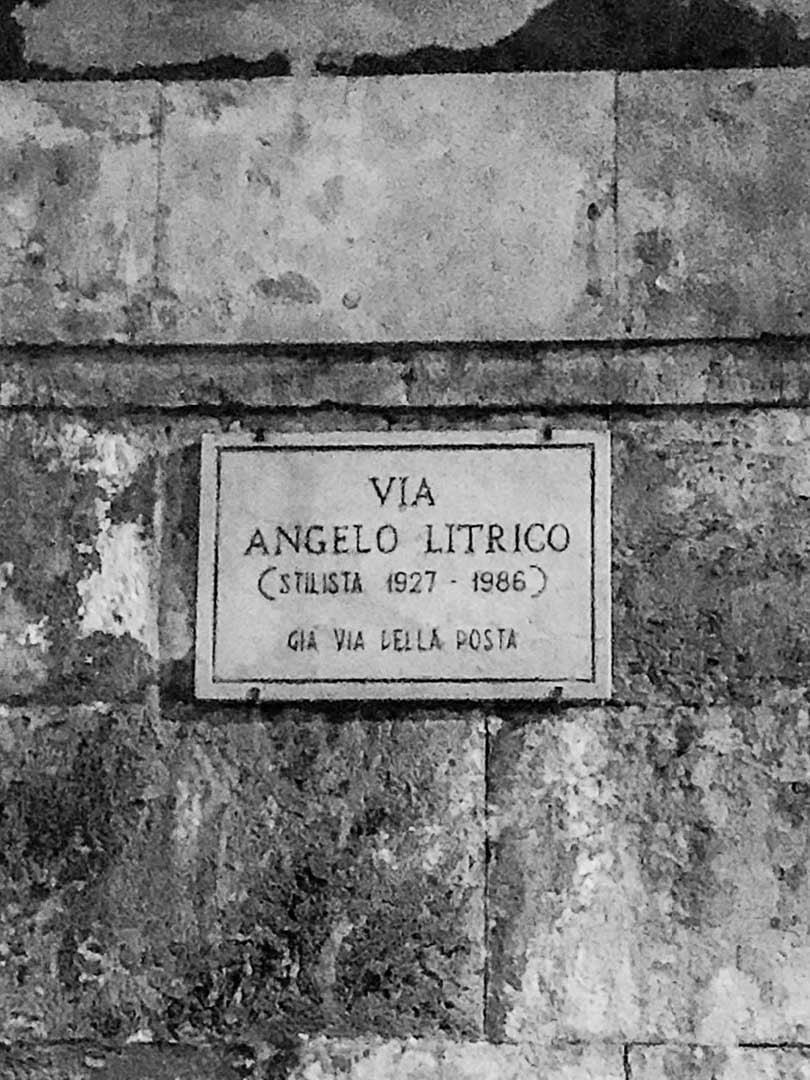
Angelo Litrico passed away on March 13, 1986. When asked about the future of Litrico, Luca had this to say:
“As long as there are men who believe that elegance is a form of respect —for themselves and for others— Litrico will continue to exist.”
A legacy worthy of a pioneering master tailor.

Jordan emerged from a cornfield in Indiana in 1986. She went on to gain education in history, art history, and literature. She has predominately made a living writing for a variety of media, as well as a dress/fashion historian. She currently resides in a bog in Sweden and emerges every so often to forage for cheese and point at dogs.
Get the latest fashion, culture, and art updates, including magazine releases release parties
Sponsored Content