Runway
When fashion fuses with psychological depth, the result is always thought-provoking. At its most intense layers, fashion doesn't merely reference inspiration—it reconstructs it.
Updated 04:06 pm EDT, April 3, 2026
Published 01:30 am EDT, April 3, 2026
Photo Courtesy: © IFEMA MADRID
When fashion fuses with psychological depth, the result is always thought-provoking. At its most intense layers, fashion doesn't merely reference inspiration—it reconstructs it.
Updated 04:06 pm EDT, April 3, 2026
Published 01:30 am EDT, April 3, 2026
Photo Courtesy: © IFEMA MADRID
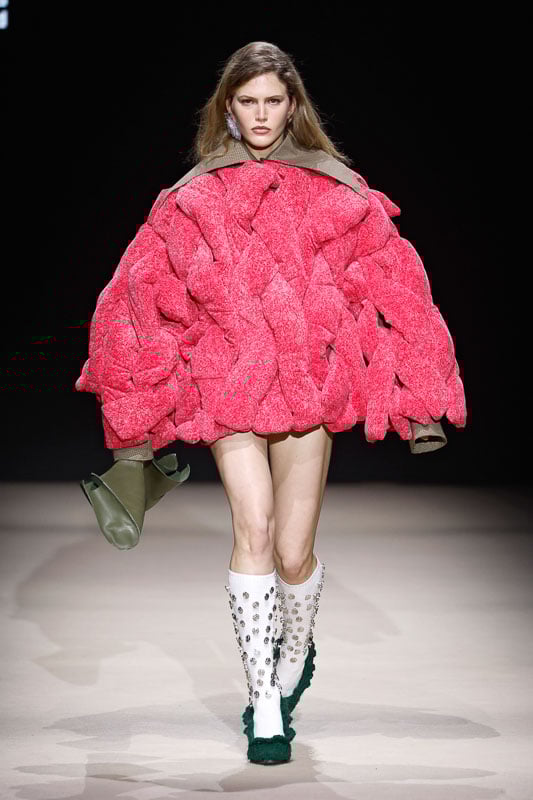
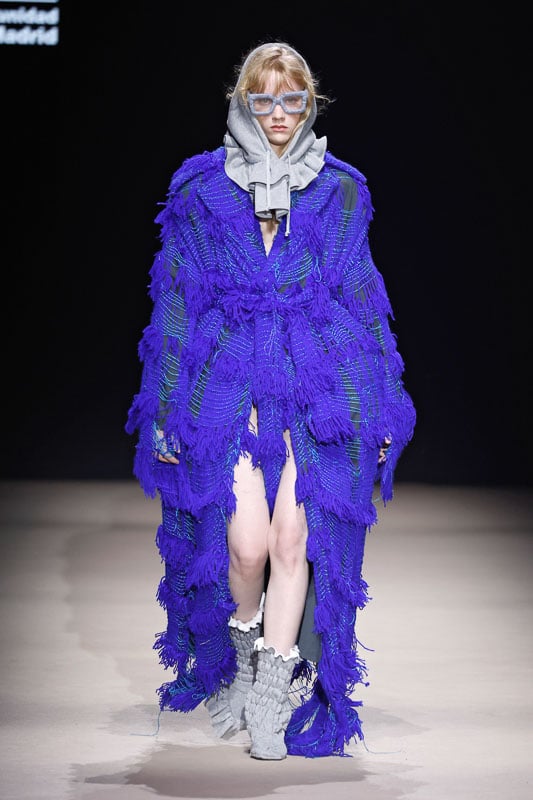
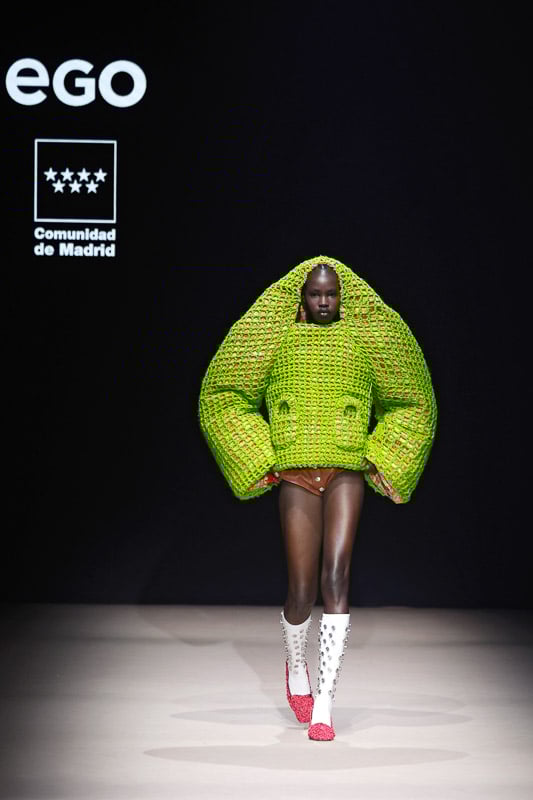
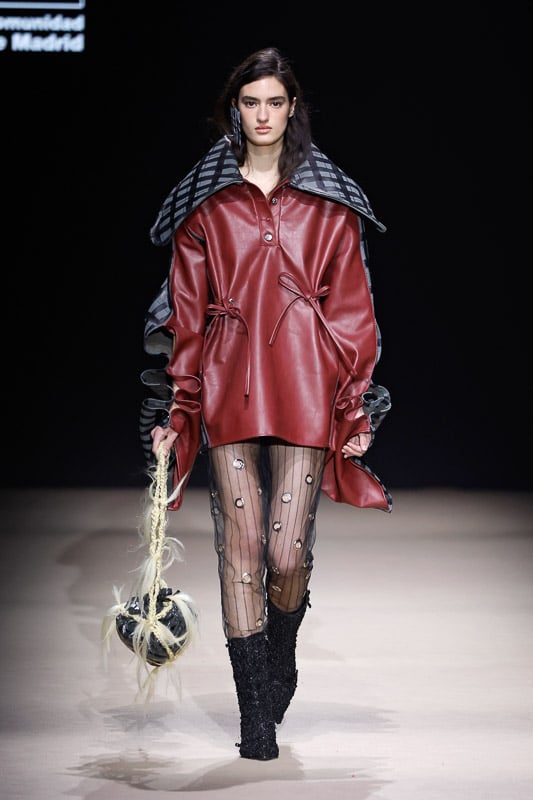
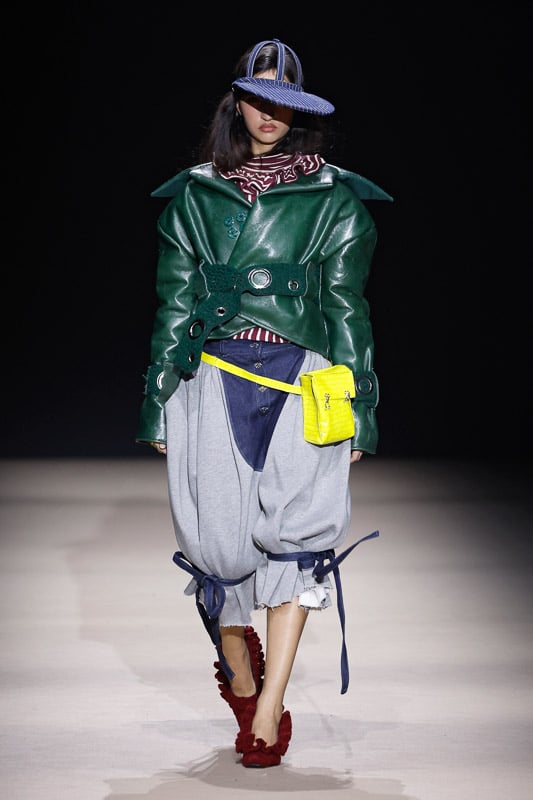
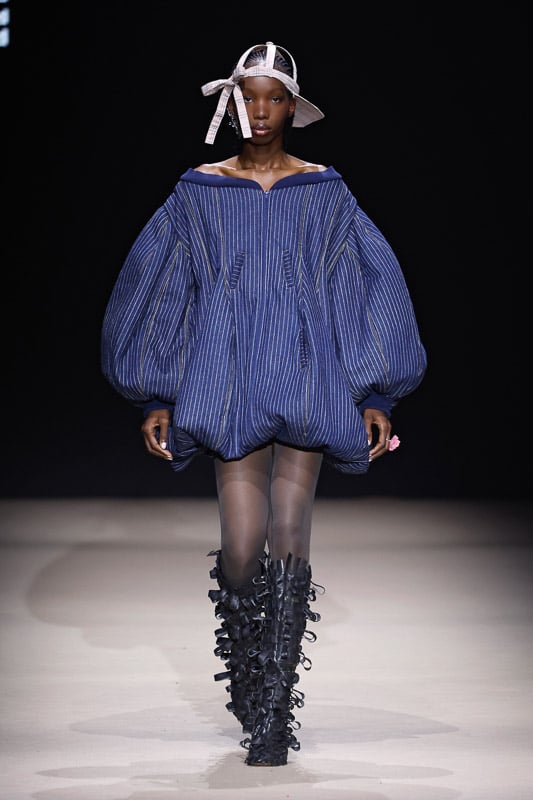
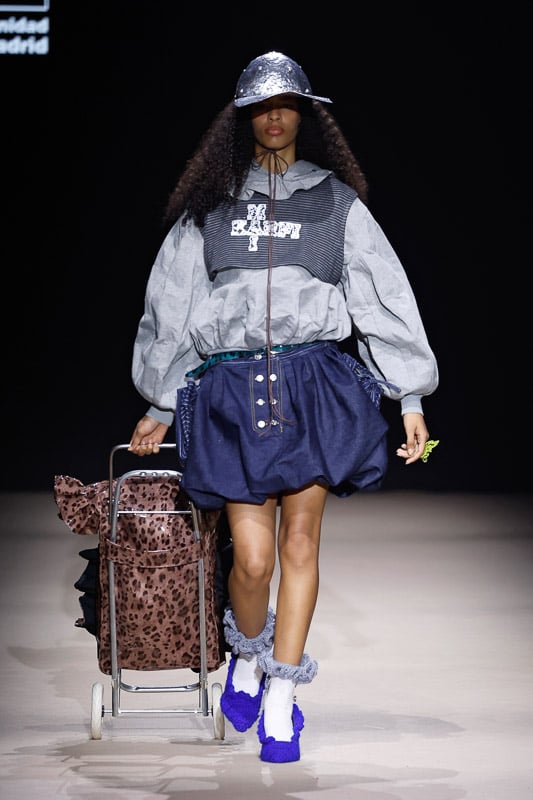
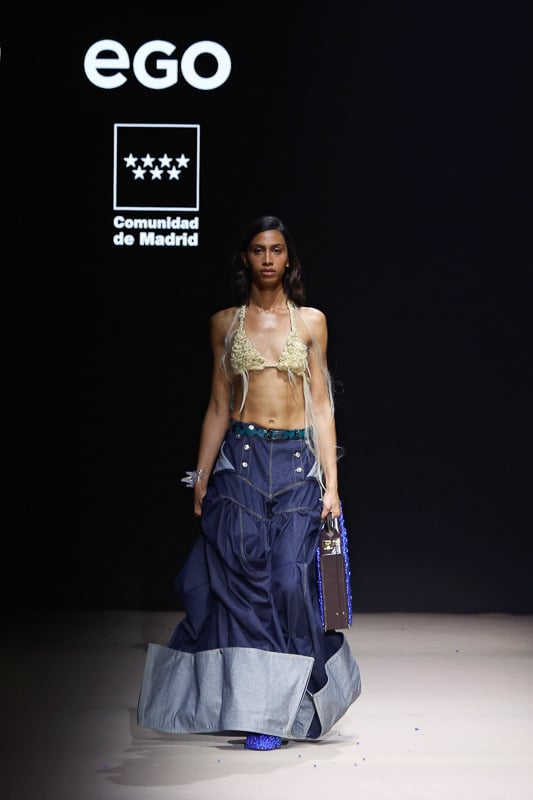
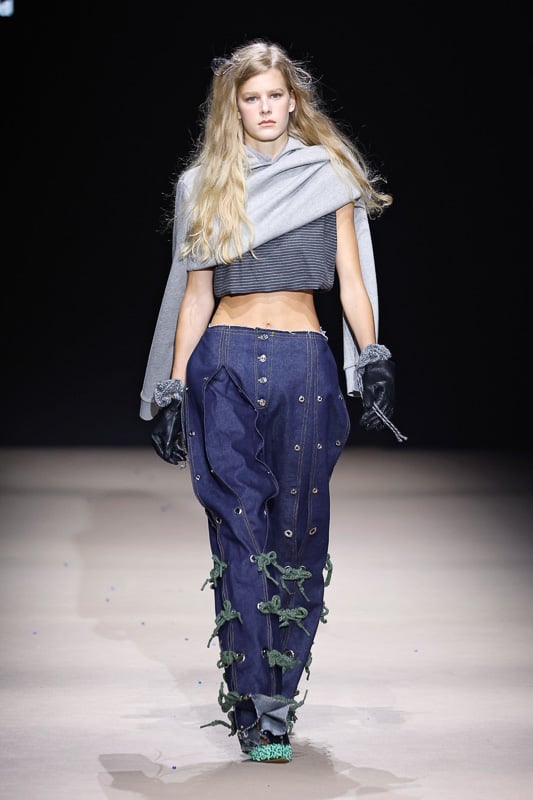
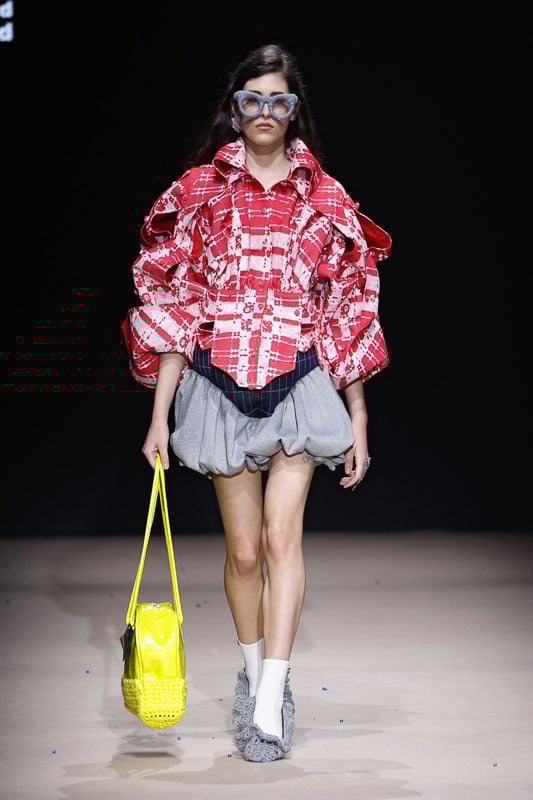
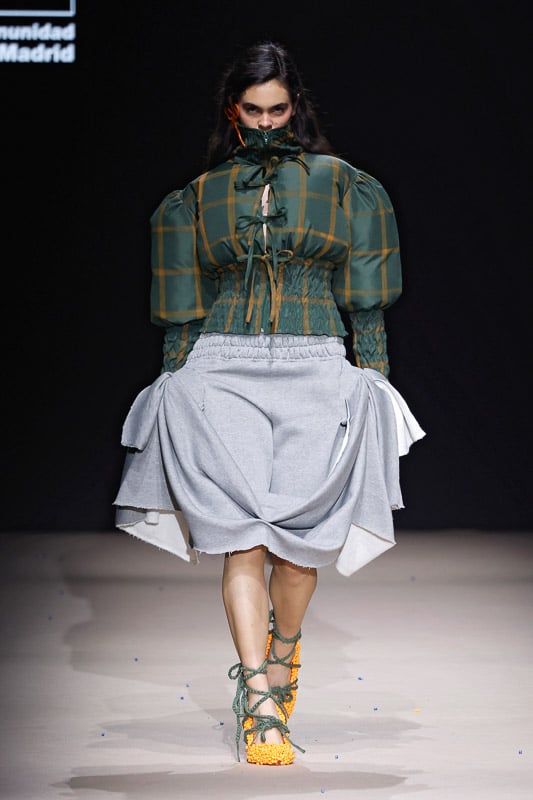
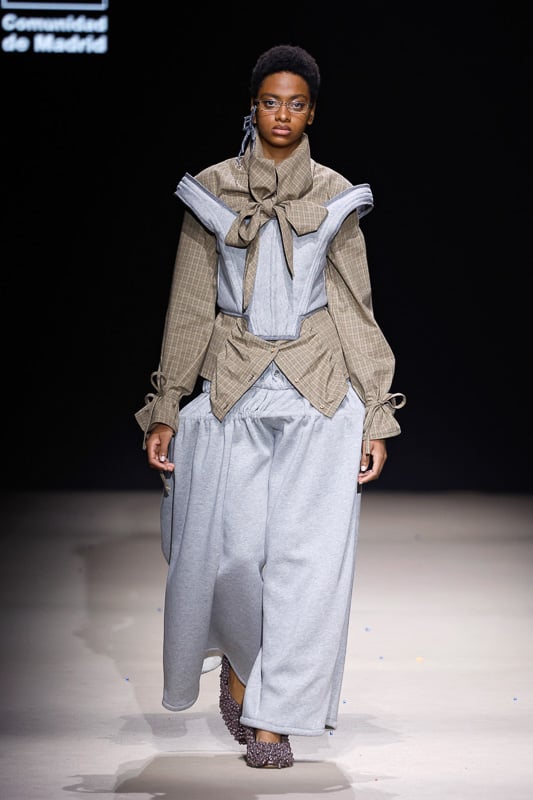
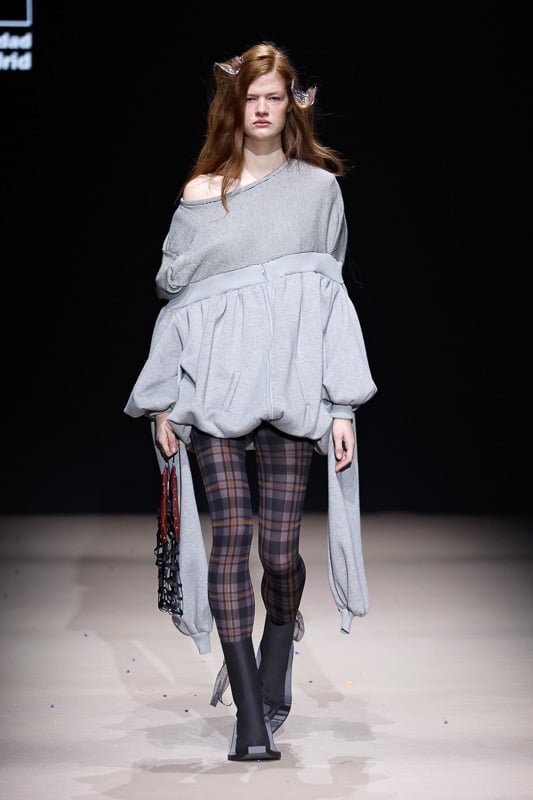
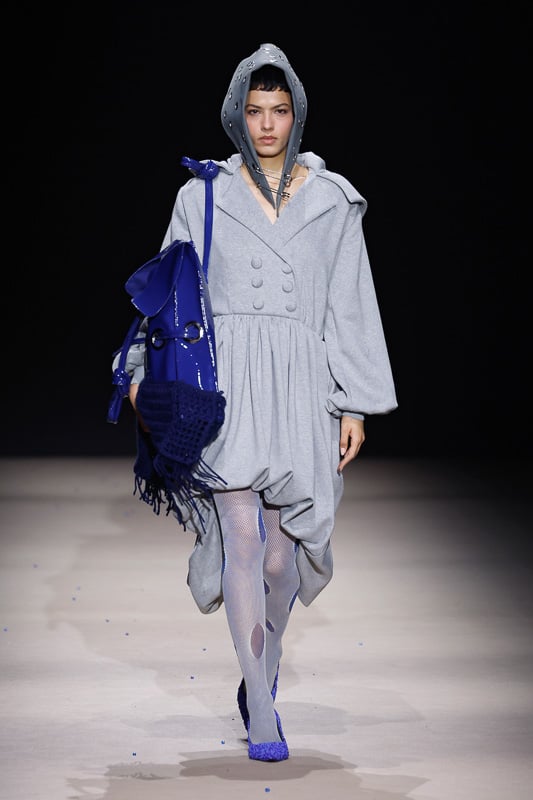
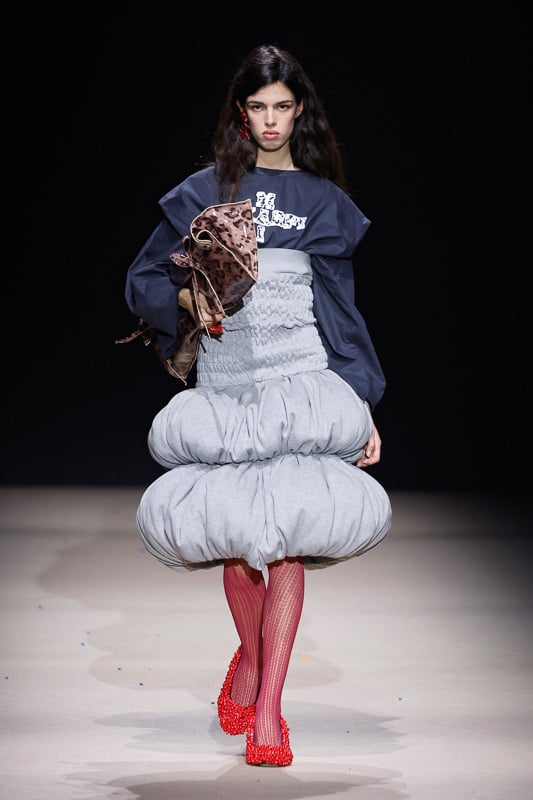
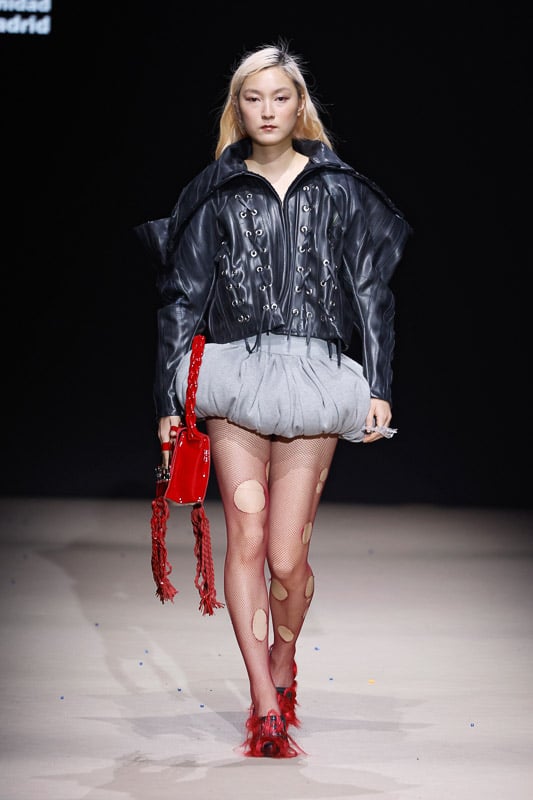
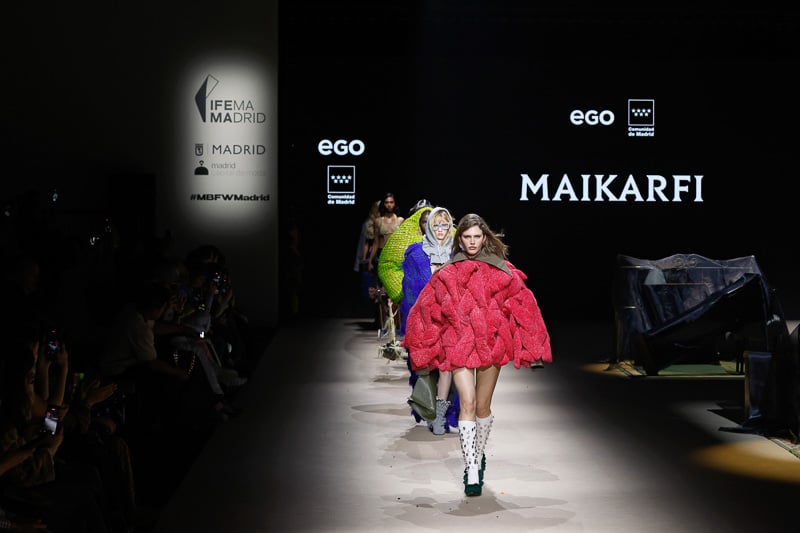
When fashion fuses with depth, it is always a thought-provoking story to watch. And at its most intense layers, it often doesn’t just reference the inspiration, it reconstructs it. With “May Cross” (Cruz de Mayo), Maikarfi attempts to do exactly that; it is a reconstruction of the designer’s past memories, transforming them into something more tactile and lived-in.
Presented at Mercedes-Benz Fashion Week Madrid, the collection embodies profound nostalgia, not as an aesthetic, but as an emotion. Instead of showcasing a single narrative, the designer proposes a unique triptych – three distinct lines in a single assemblage, each representing a different attribute of memory, identity, and transformation.
The format itself is compelling. With each line distinguished from the other through garment styles and fabrics, each also appears to express a different state of mind. While one is rooted in familiarity and origin, another explores transition and reinterpretation, and the final segment feels more like a resolution, or in the raw sense, acceptance.
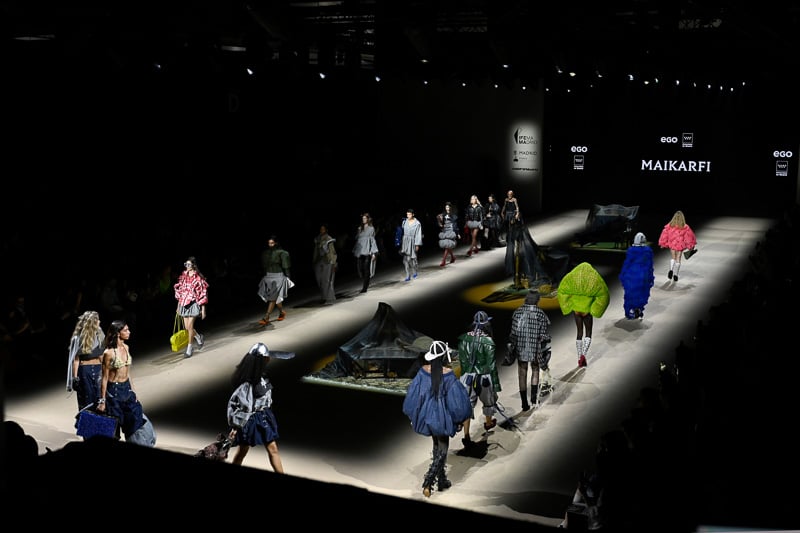
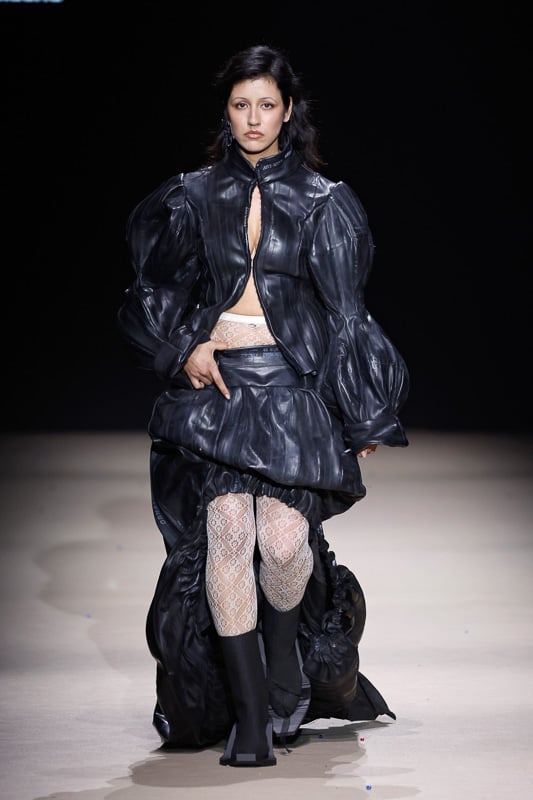
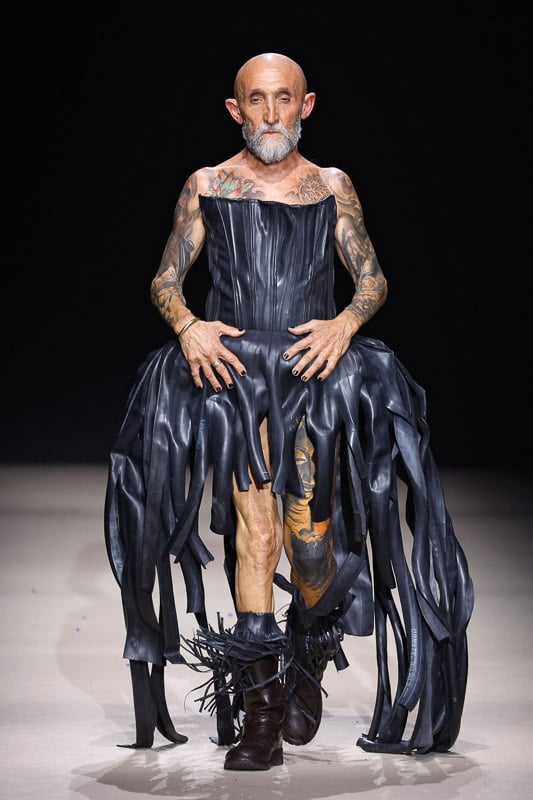
Putting the symbolism-infused rhetoric aside, the collection also carries sartorial seamlessness. The first line emphasizes controlled volume with wool; the final look of the first line transitions into the second line, with strategic instances of leather. The second line, leaning into ready-to-wear, explores casual expression of leather, denim, and then knitwear through feminine silhouettes. Subsequently, the third line reimagines volume with innovation using fabrics created with bicycle inner tubes.
The way the collection beautifully enforces a progressive implementation of fabrics tells us all we need to know about Manuel Conejero Espasa as a designer. At the same time, there’s enough mystery for observers to pore over once they leave the venue.
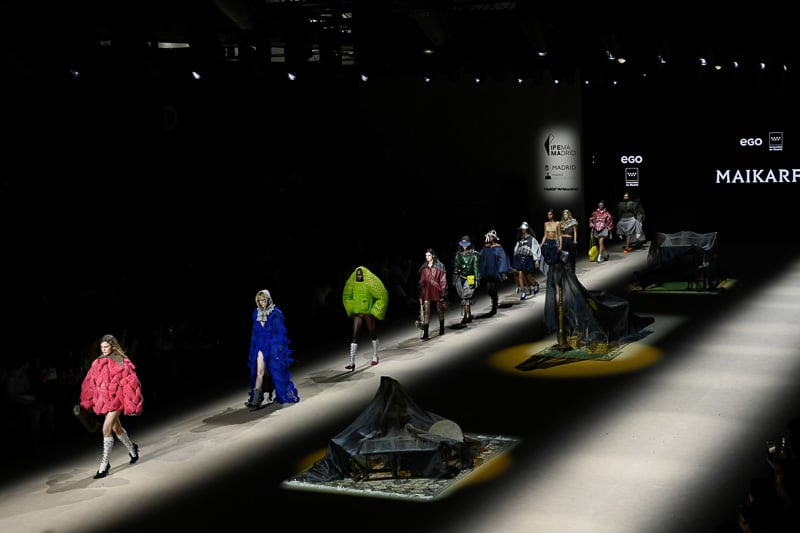
From a conceptual perspective, the progression mirrors the way memory works: fragmented, ever-evolving, and never entirely defined. Looking closely, one would also notice a quieter evolution through the pieces. Starting with fabrics like wool and denim, the narrative is anchored in being lived in and familiar. As the collection unfolds, one would find more experimental layering and soft, yet structured pieces, suggesting a shift from the rigidity of the past. With the final line, the garments transition into more distilled and lighter looks, symbolizing a refined evolution of memory into something less tangible.
Symbolically rich as it is, the collection feels 10/10 for someone looking beyond fabrics and silhouettes in fashion. However, as the transitions between the lines sometimes appear too subtle, the viewers may be forced to infer the shifts, thus diluting the impact of the entire concept.
Additionally, perusing the collection, one would also question the weight of each line. While the first segment seems to feel most resolved with its fabrics and familiarity, the latter lines, which carry lighter conceptual weight, seem to lack the same depth of exploration.
That said, however, the restraint displayed throughout the collection is commendable. Without over-dramatizing the transitions, the subtle shifts expressed through changes in silhouettes, fabric interaction, and layering may be perceived as internal, which is more aligned with the brand’s broader theme of introspection.
In that sense, “May Cross” invites deep interpretation rather than delivering resolution. The ambiguity in the transitions is, in fact, intellectually engaging, which makes the collection more memorable even if it comes at the cost of immediacy.

An introverted personal stylist and writer, Bhagya has a flair for dissecting runway looks and translating them for real life. When she’s not analyzing colors, silhouettes and putting together OOTDs, she spends time reading, shopping, and taking care of her little fur-gang.
Get the latest fashion, culture, and art updates, including magazine releases release parties
Sponsored Content