Runway
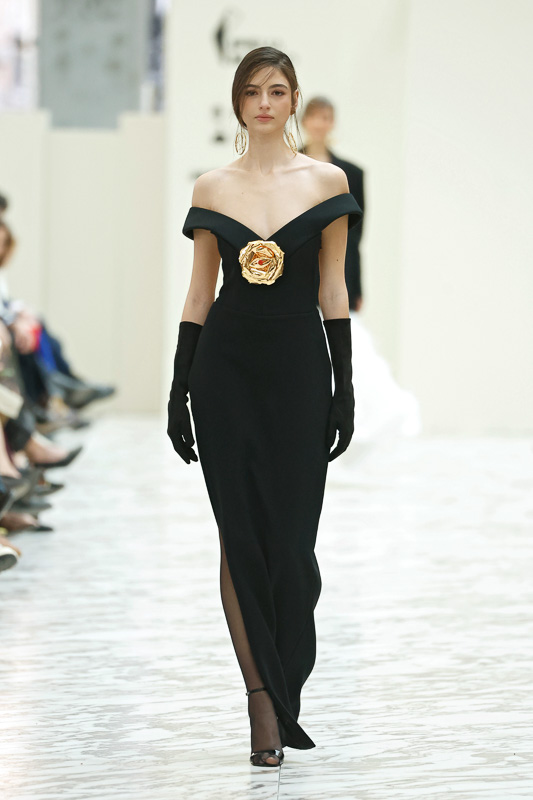
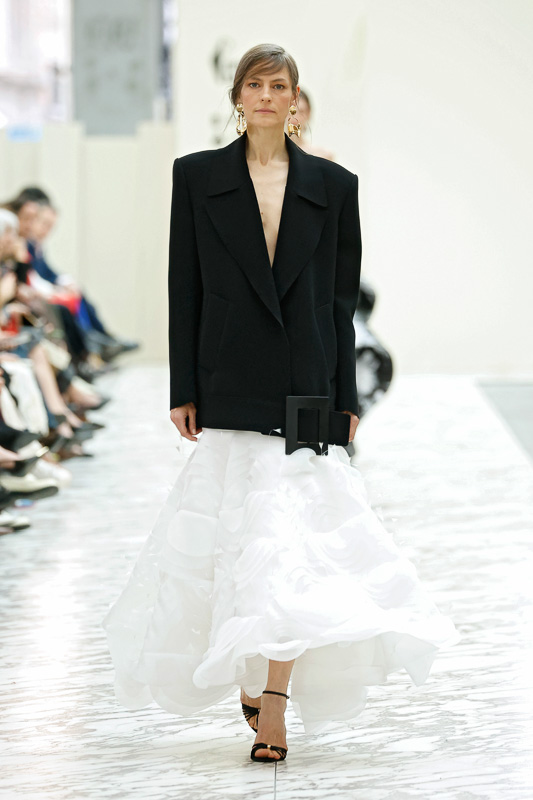
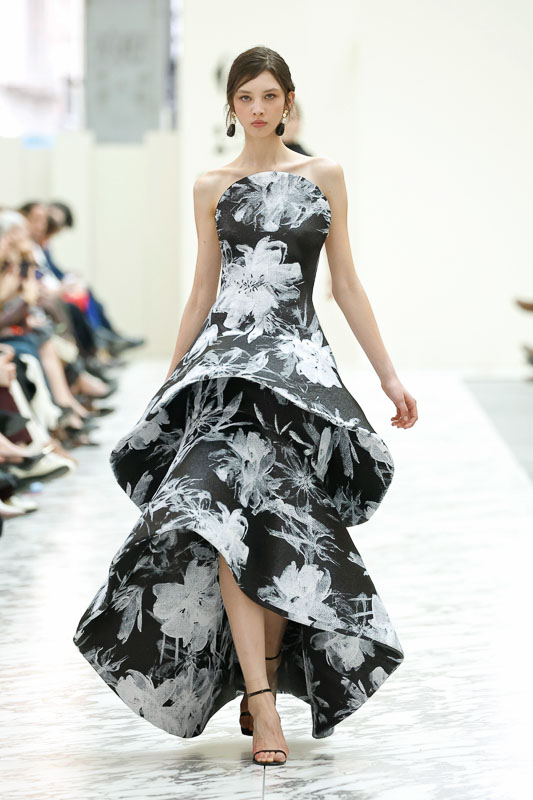
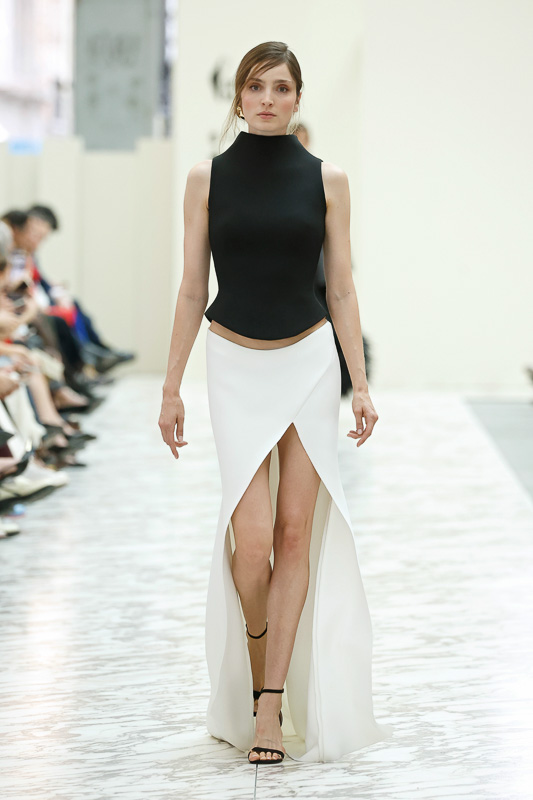
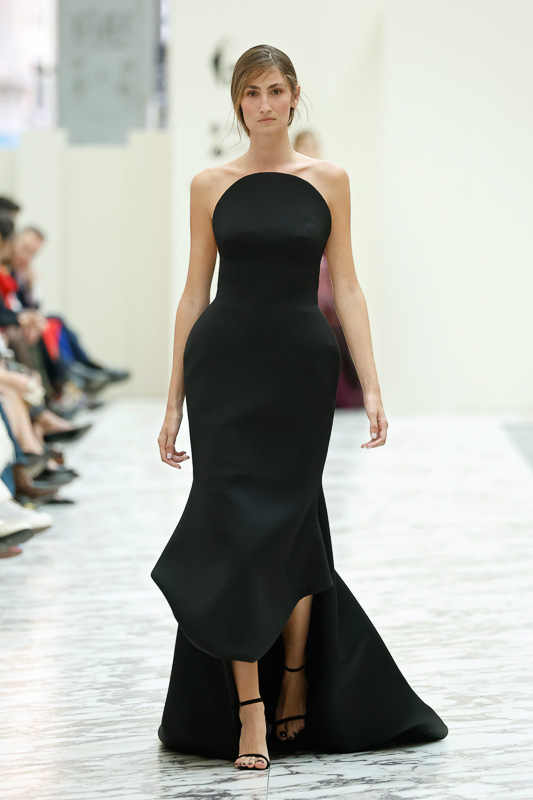
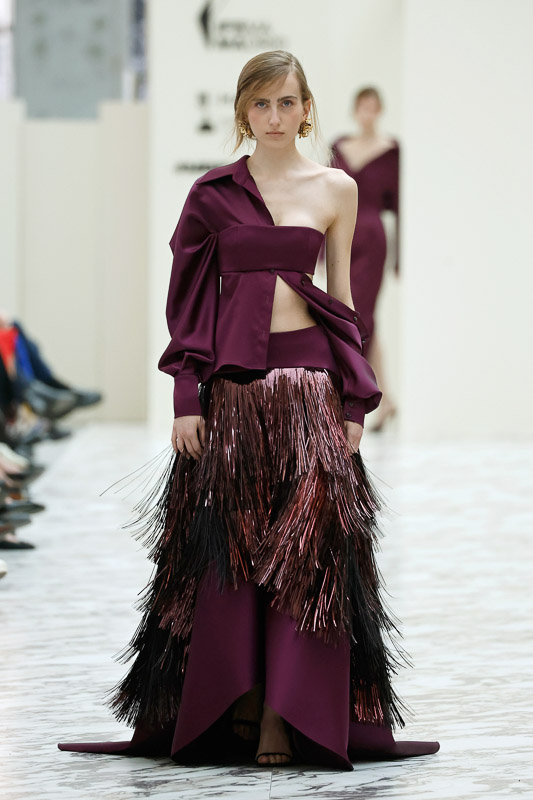
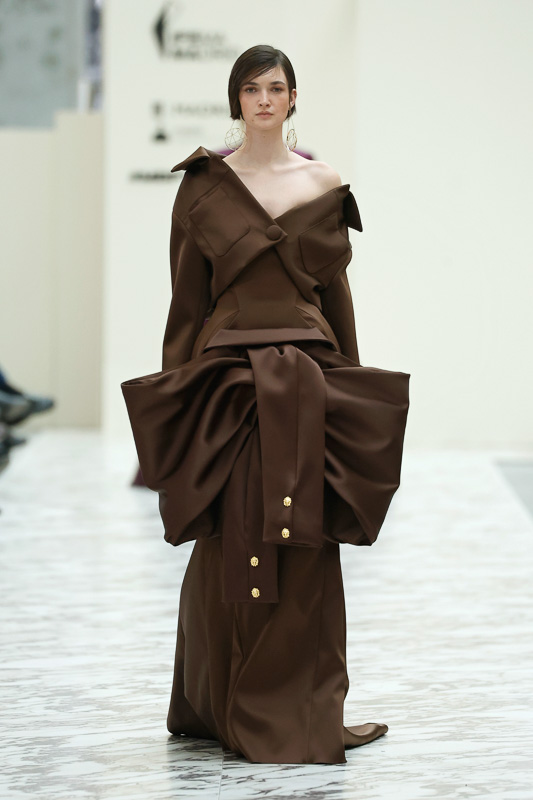
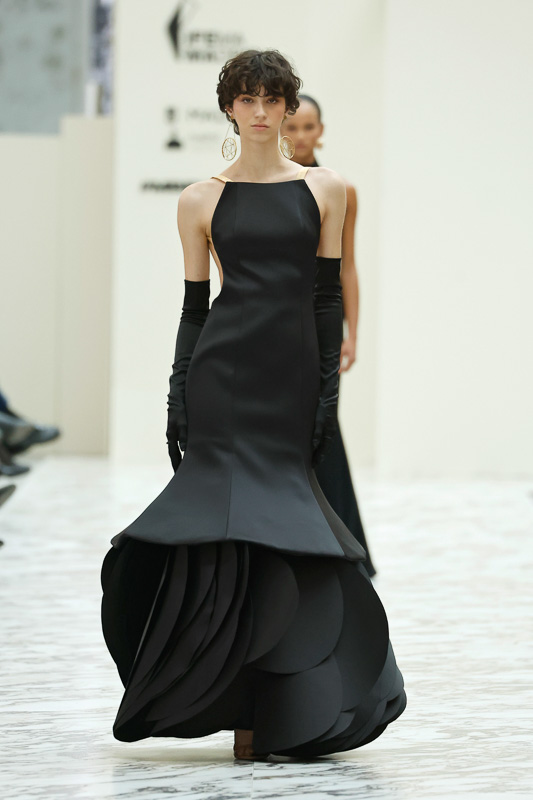
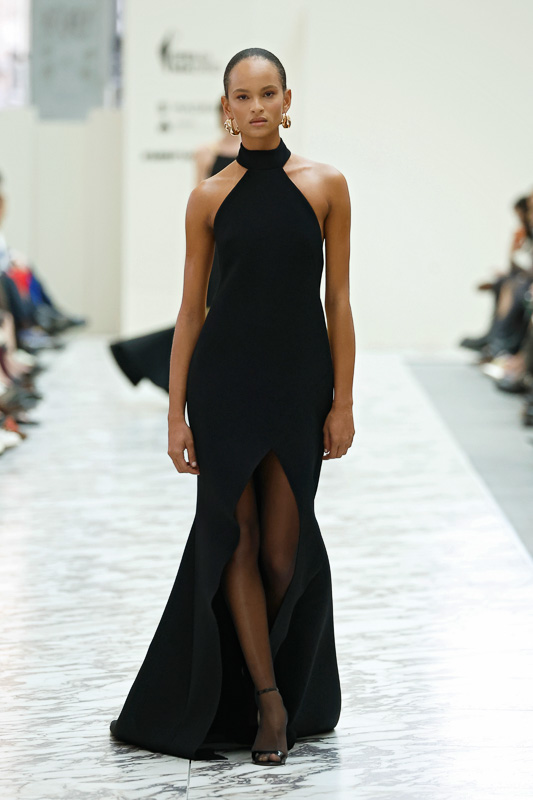
Isabel Sanchis' FW26-27 ensemble stood entirely on its own. Staying fiercely true to the brand's signature identity, Sanchis delivered solid fashion defined by a relentless insistence on structure, discipline, and elegant drama—the kind of fashion that does not merely seek attention, but demands it.
Updated 01:14 pm EDT, March 22, 2026
Published 06:14 pm EDT, March 19, 2026
Photo Courtesy: © IFEMA MADRID
Isabel Sanchis' FW26-27 ensemble stood entirely on its own. Staying fiercely true to the brand's signature identity, Sanchis delivered solid fashion defined by a relentless insistence on structure, discipline, and elegant drama—the kind of fashion that does not merely seek attention, but demands it.
Updated 01:14 pm EDT, March 22, 2026
Published 06:14 pm EDT, March 19, 2026
Photo Courtesy: © IFEMA MADRID
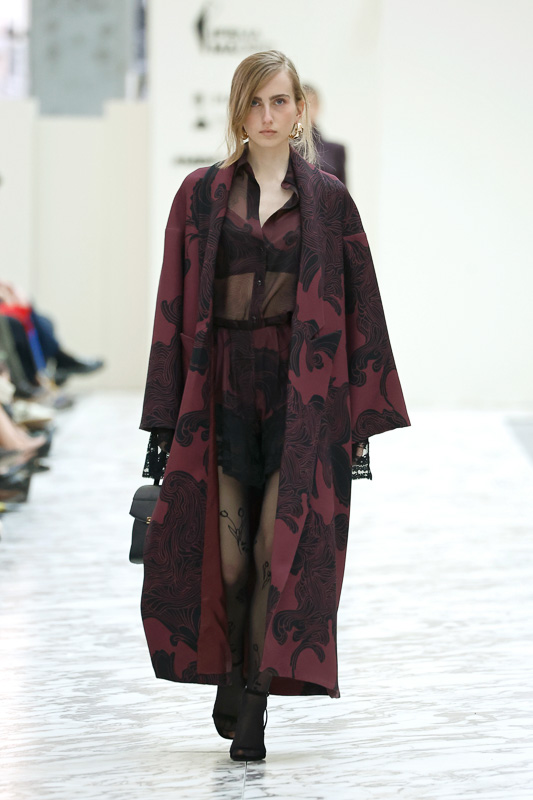
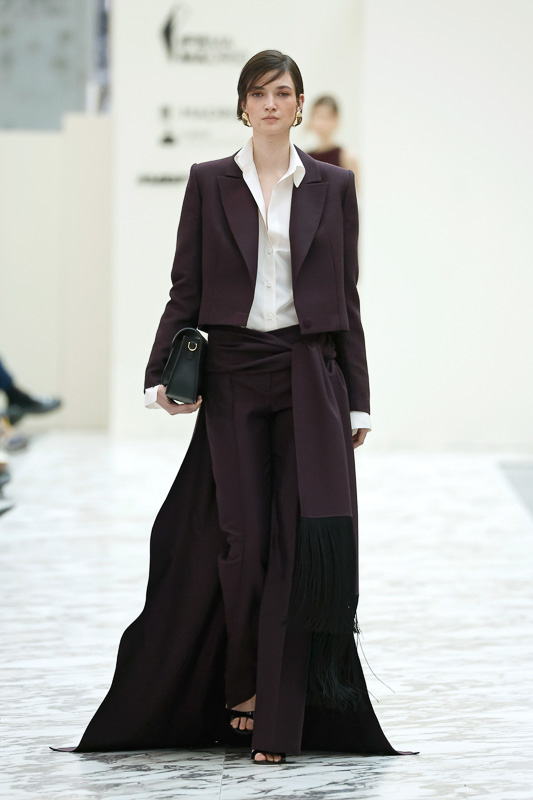
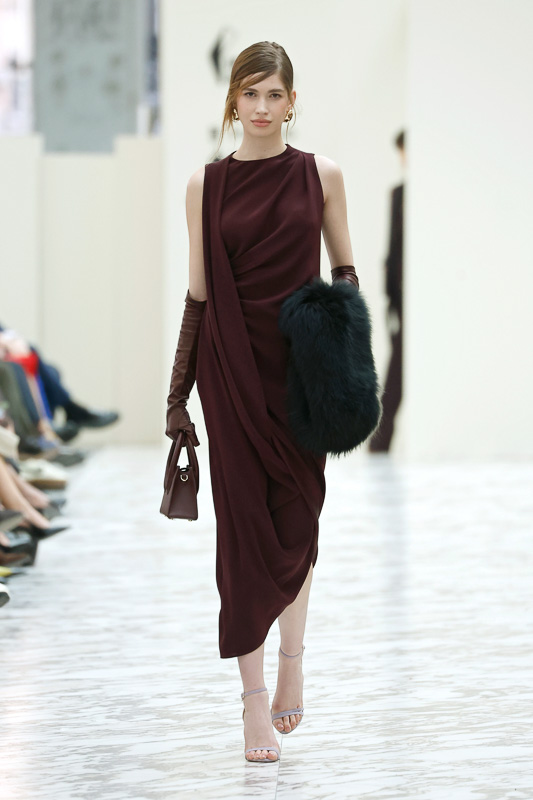
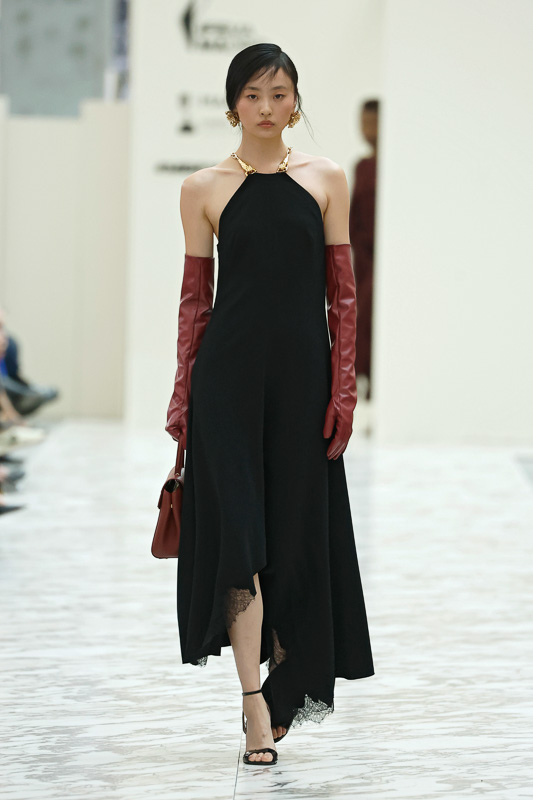
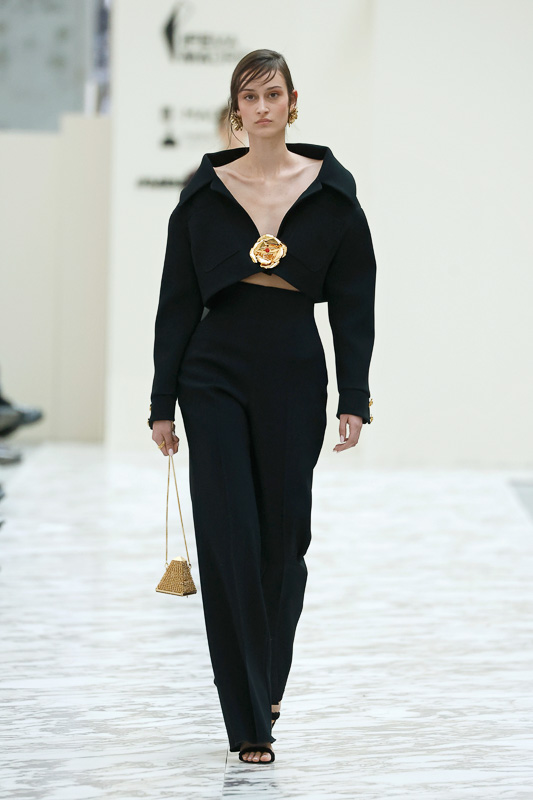
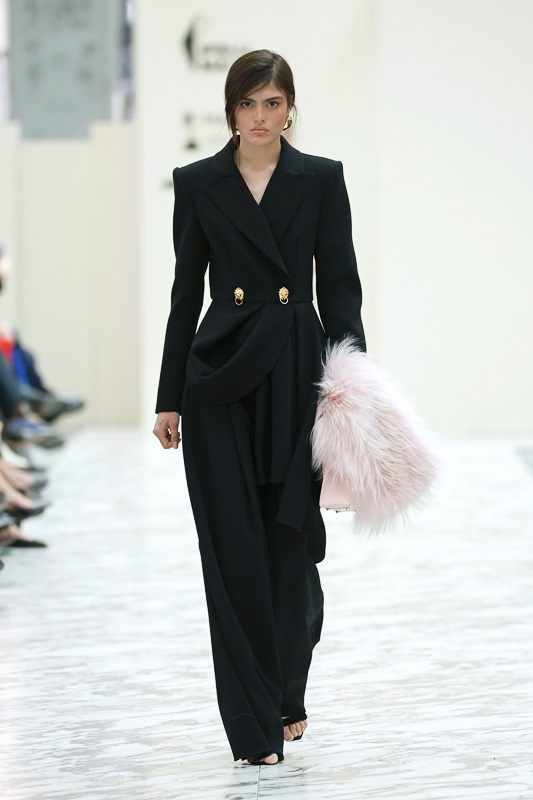
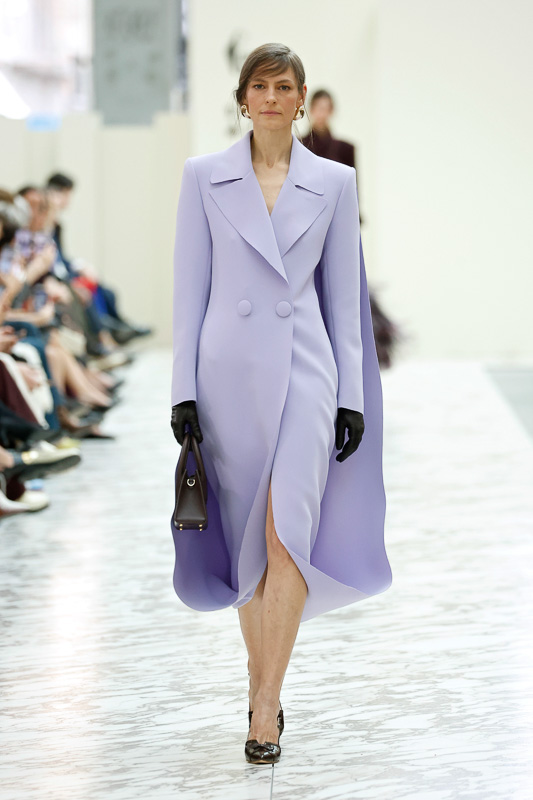
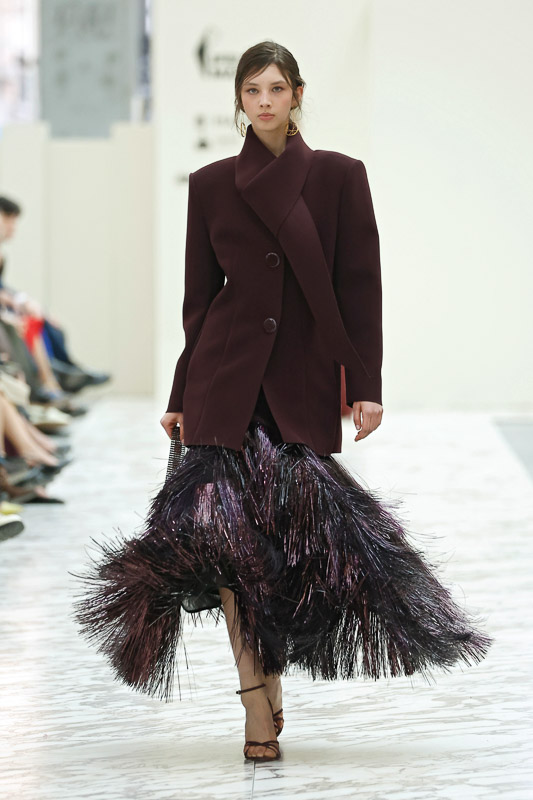
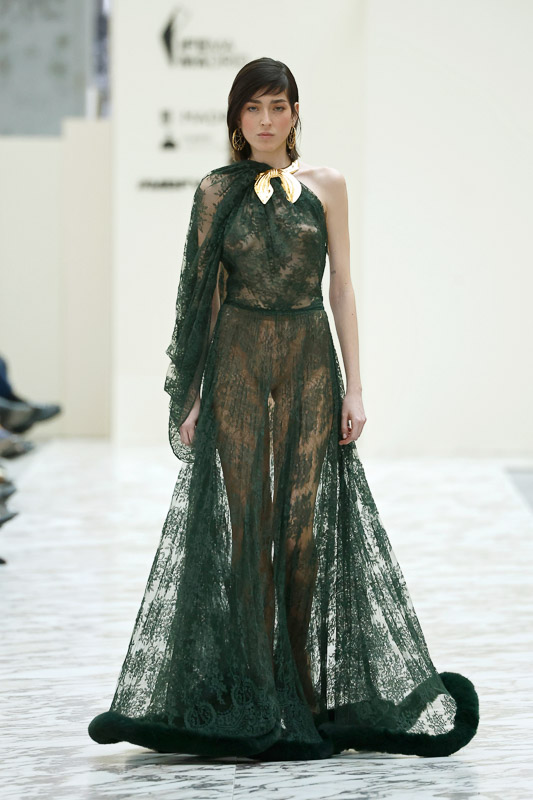
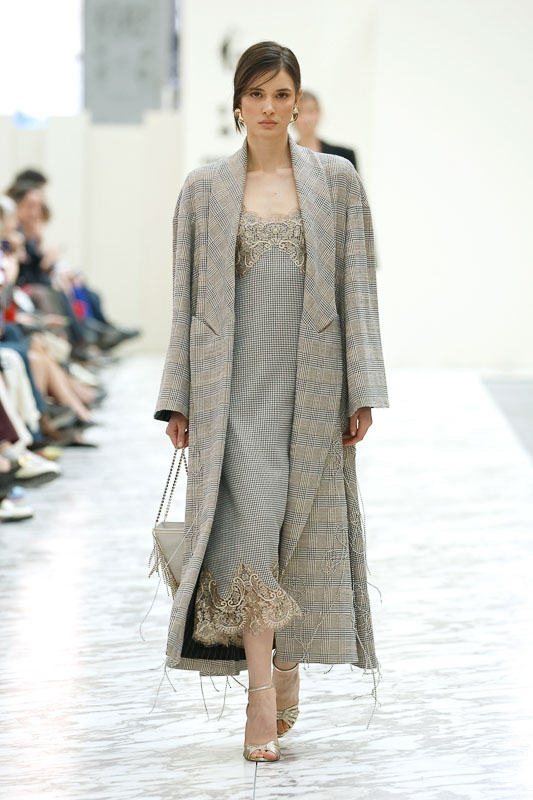
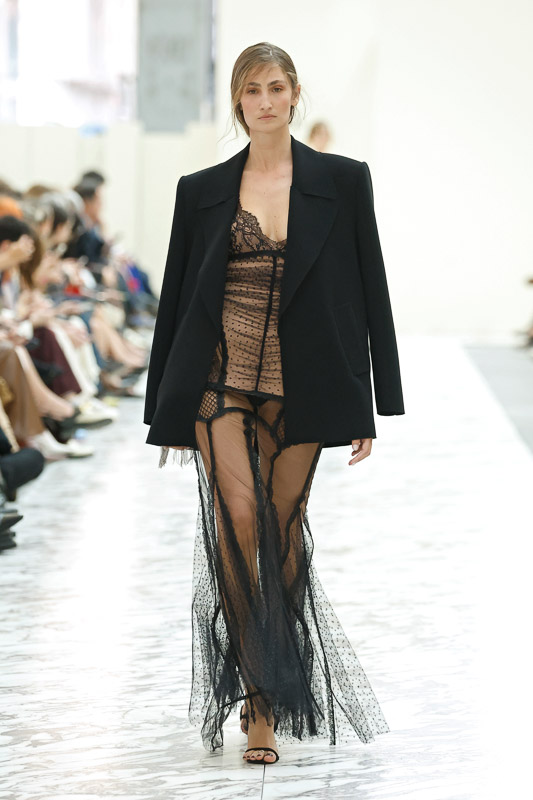
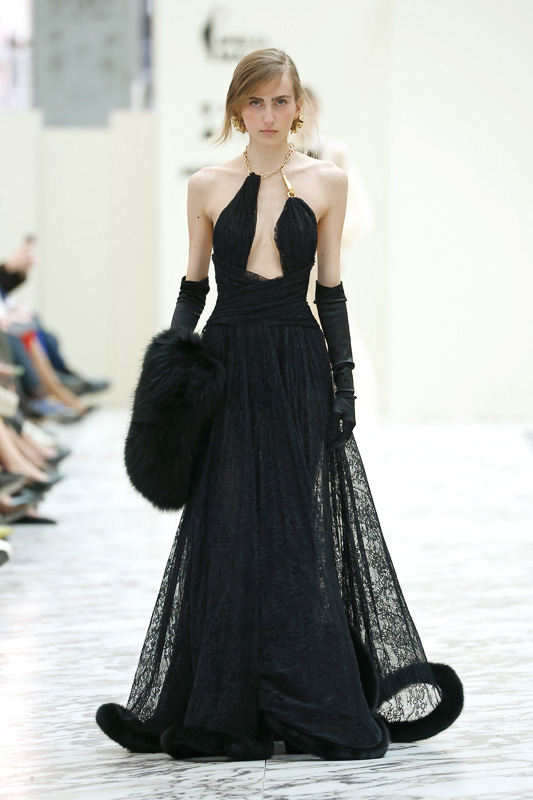
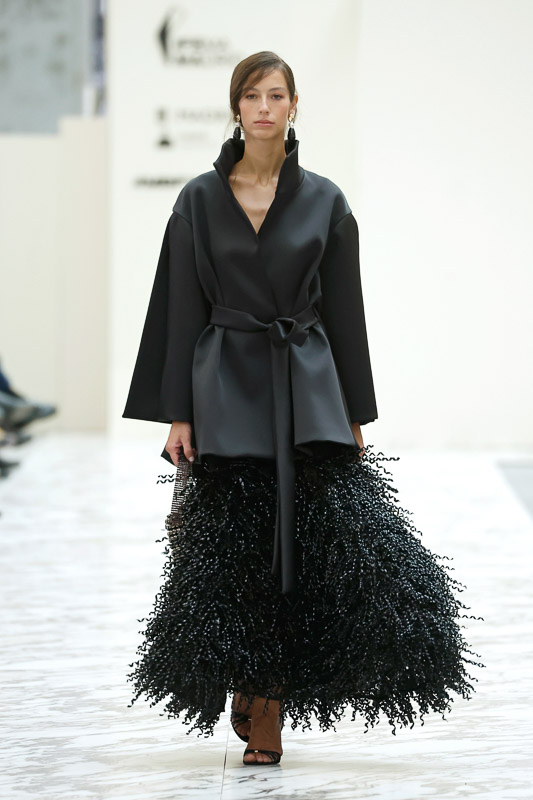
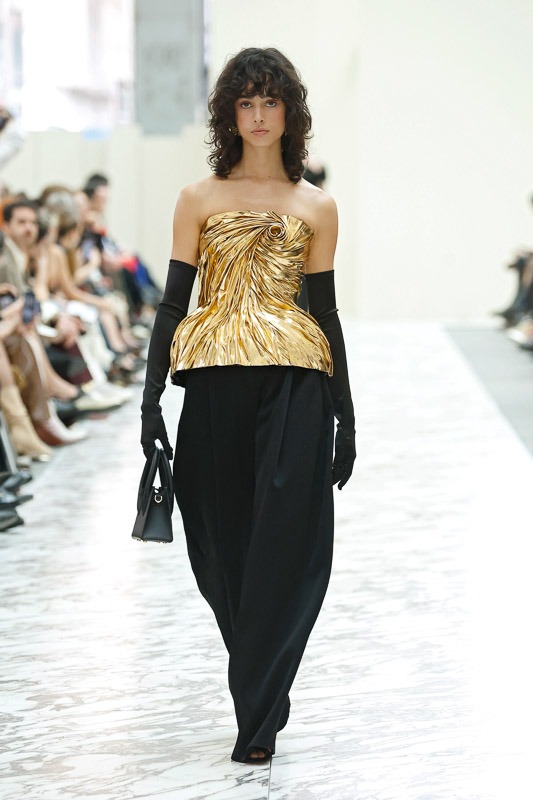
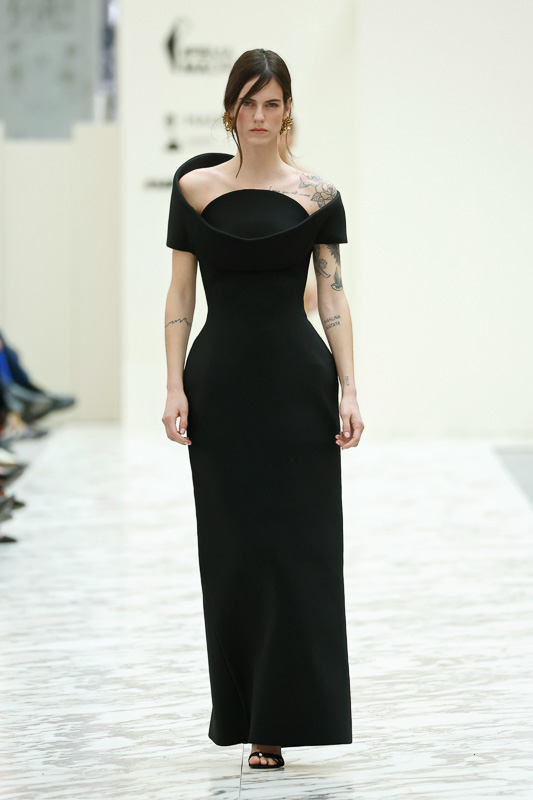
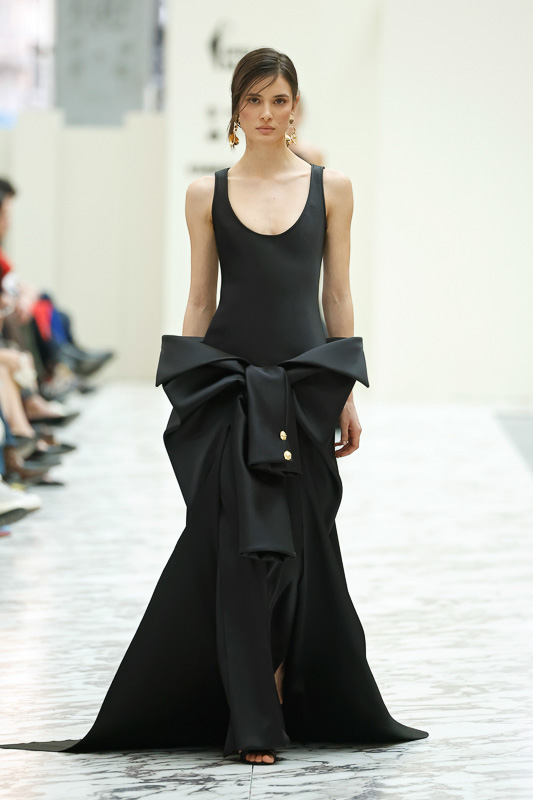
Unlike the typical fall-winter collection code, Isabel Sanchis’ ensemble did not blur into trend-driven cliches. In keeping with the brand’s signature identity, Sanchis delivered solid fashion with a relentless insistence on structure, discipline, and elegant drama; the kind that doesn’t seek, but demands attention.
At Mercedes-Benz Fashion Week in Madrid, observers saw a collection that explored the beautiful correlation and co-existence between structural rigidity and feminine fluidity. With silhouettes and elements borrowed from sculptural nuances and, in parts, Japanese sartorial art, the show displayed what a harmonious blend of tradition and experimentation would culminate in. Interestingly, it is a territory that is not exactly unfamiliar to the house, but still compelling.
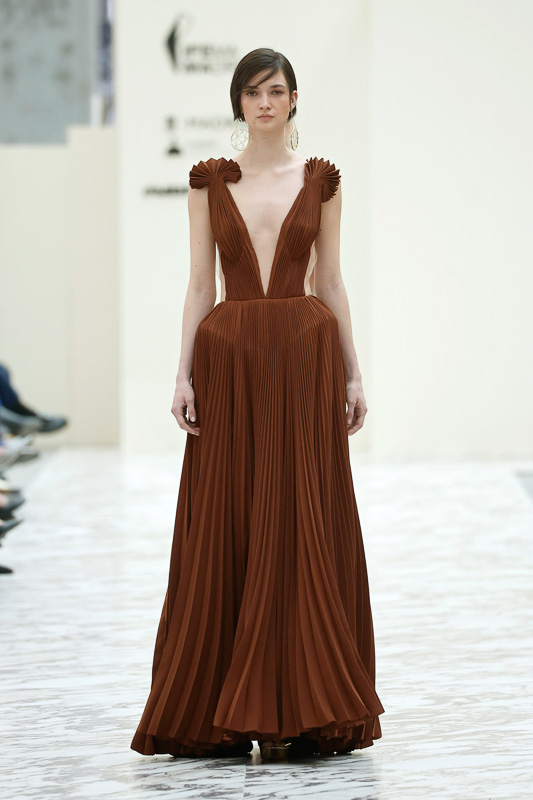
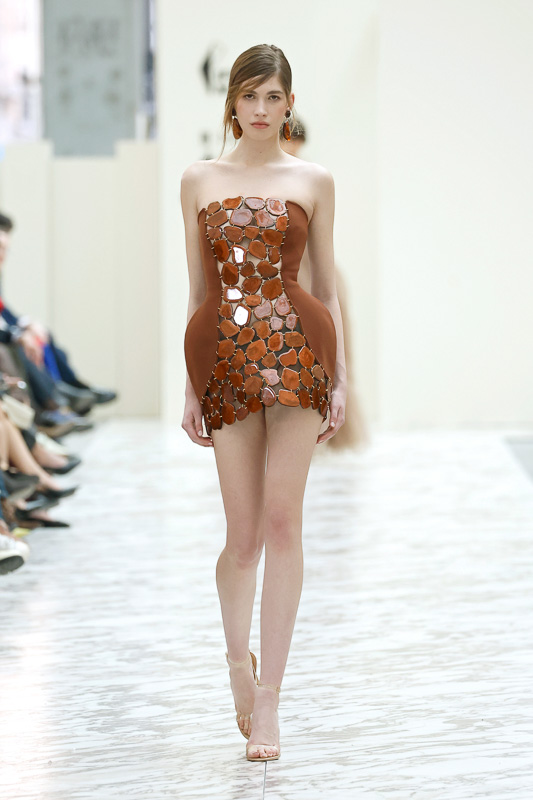
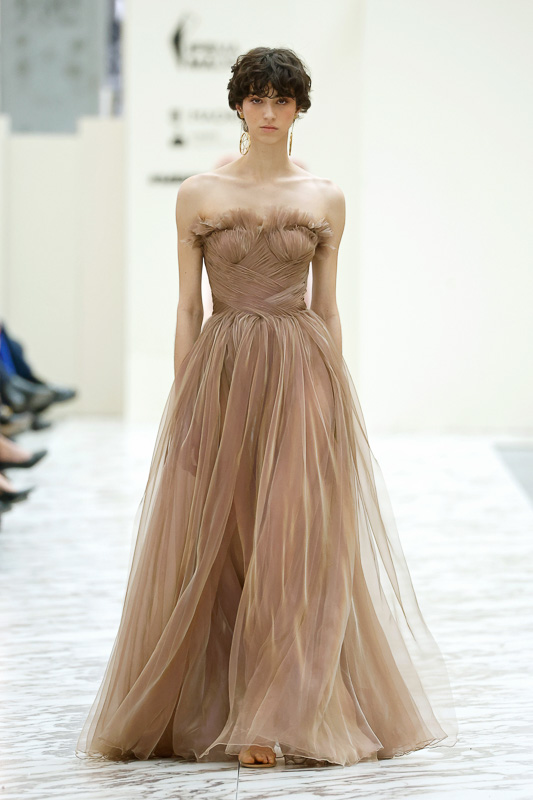
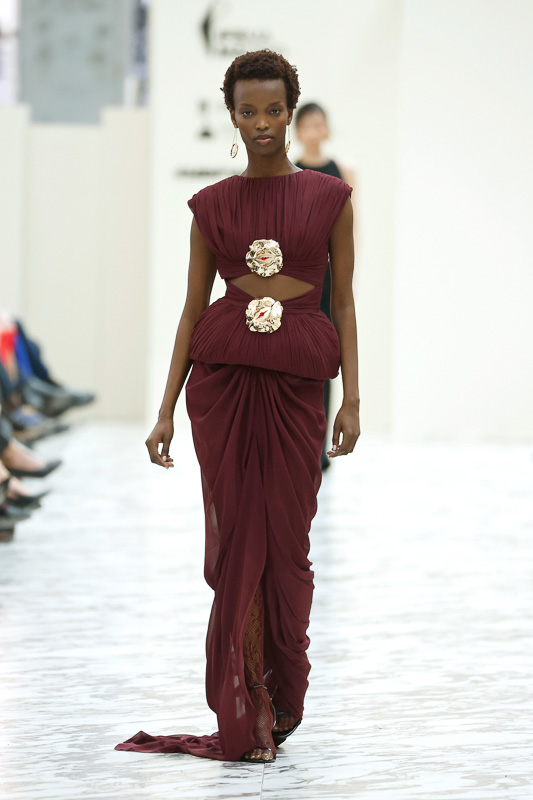
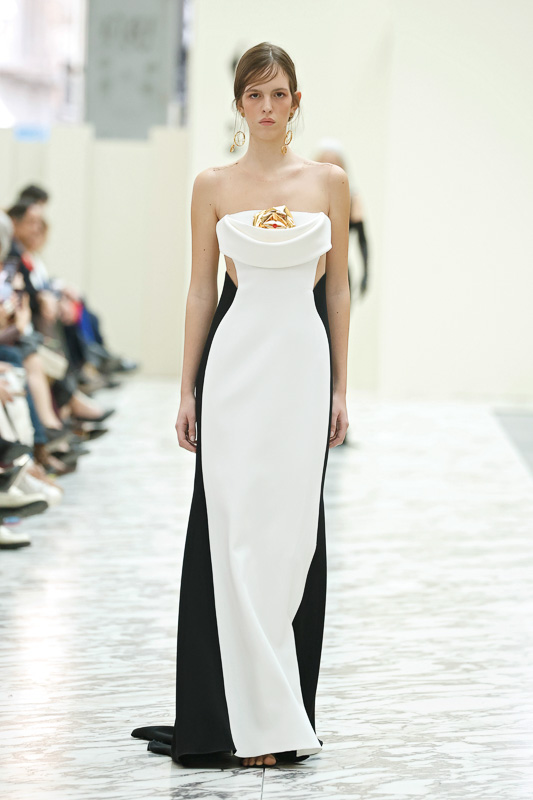
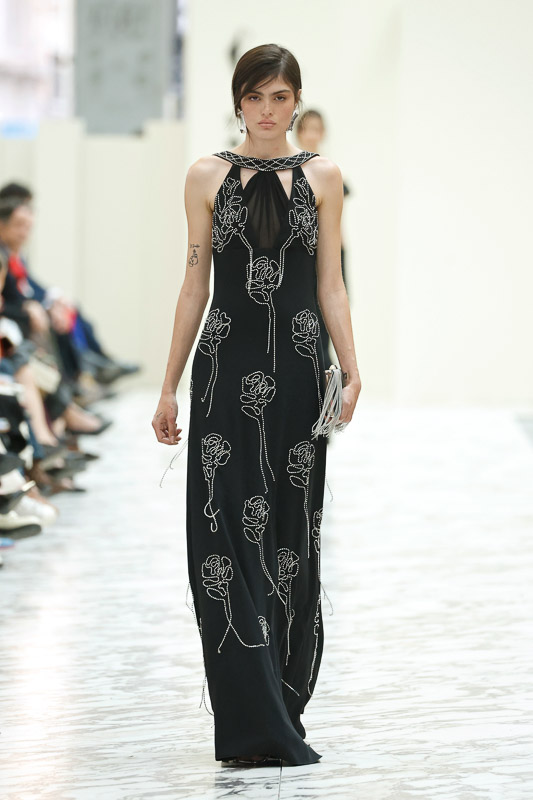
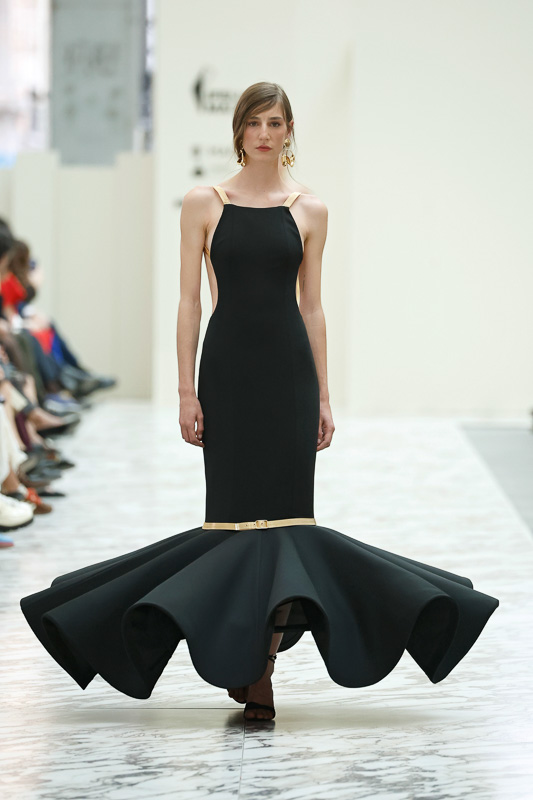
A pronounced emphasis on intentional volume ran through the entire ensemble. There were predictable but promising geometric silhouettes, satisfying pleated surfaces, and dramatic moulded dresses crafted with precision so defined that they rebelled against conventional fabric behaviour. Heavily inspired by art and architecture, there were touches of micro-pleating and embroidery that reinforced the narrative of sculptural elevation with perfect balance.

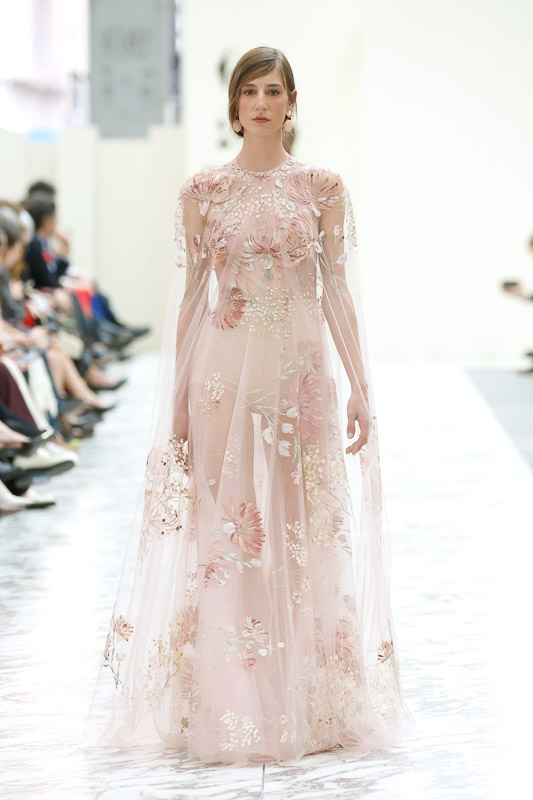
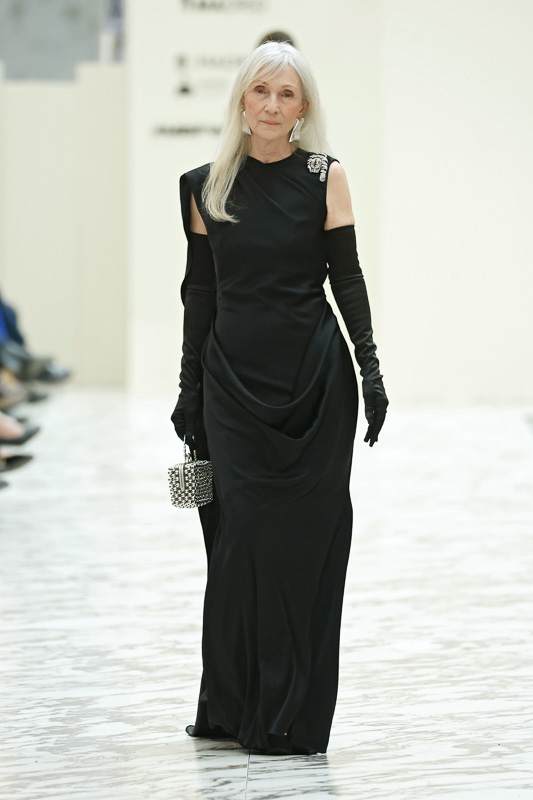
Despite carrying a dark-themed colour palette with stark emphasis on maroons, blacks, and complementary whites, the collection did not feel as ebon or cold as one would expect. Attributable to its striking soft undercurrent of florals and subtle peaks of pinks and greens, the collection displayed wearability on many levels. The colours, as well as the structural definition, lent themselves well to the ease of the silhouettes.

While the brand’s established code of performance leans on technology, craftsmanship, and tailoring, there were sporadic moments where recurring occurrences of voluminous gowns and floral appliques, albeit stunningly intricate, rendered the collection more preordained than innovative.
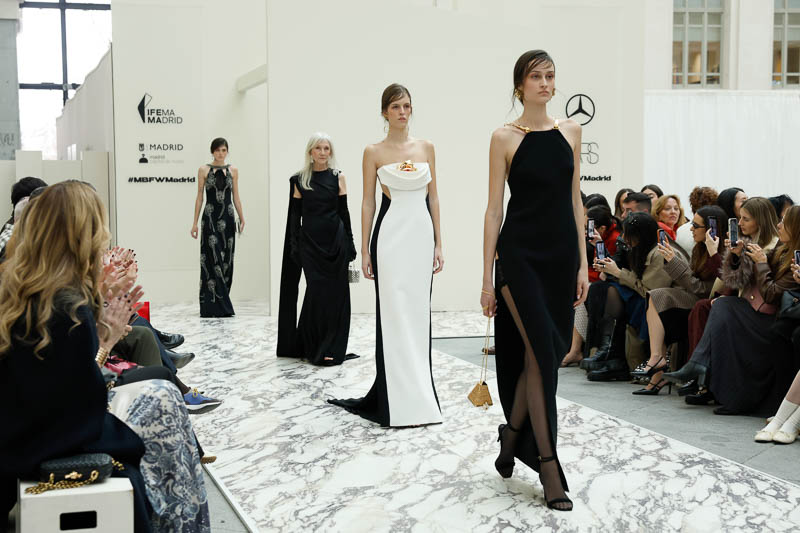
However, Sanchis made a promising case of experimentation through the integration of neoteric techniques of garment construction, such as 3D elements. This implied a solid nod to the brand’s cautious yet feedback-driven take on evolution.
The collection felt couture unmistakably in many of its pieces on the one hand. On the other hand, it acknowledged life and function. To that end, Sanchis managed to straddle two poles of fantasy and utility through one medium.
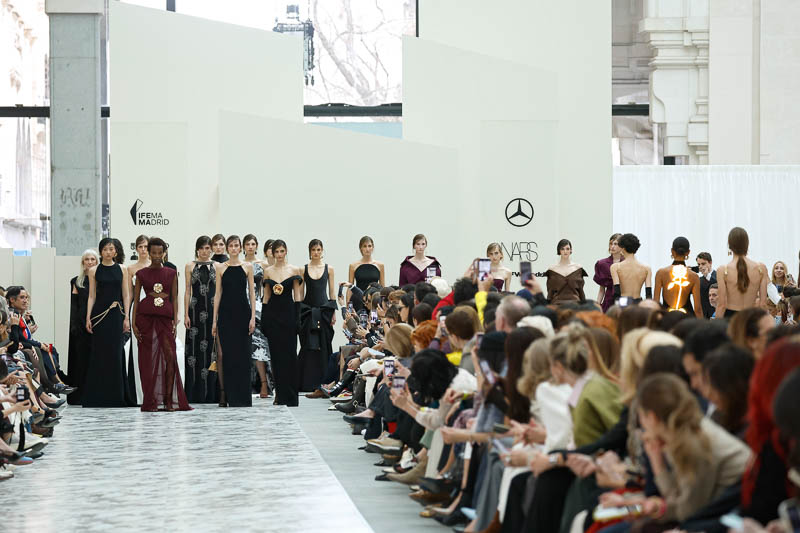
Suffice it to say, Isabel Sanchis’ Fall/Winter 2026 – 27 Collection was more of a reaffirmation of the brand’s identity and ethos: craftsmanship, structure, and thoughtful drama. While it reiterates Sanchis’ authority in sculpture-inspired contemporary couture, the cautious play and dilatory approach to innovation may cost the brand an edge in future-forward fashion. Whether it is calculative, candid, or simply Sanchis, it is a story worth exploring.

An introverted personal stylist and writer, Bhagya has a flair for dissecting runway looks and translating them for real life. When she’s not analyzing colors, silhouettes and putting together OOTDs, she spends time reading, shopping, and taking care of her little fur-gang.
Get the latest fashion, culture, and art updates, including magazine releases release parties
Sponsored Content