Fashion
Luxury fashion’s high-stakes game unfolds as Gucci and Balenciaga undergo bold transformations driven by strategic reshuffles and daring aesthetic reinvention.
Updated 10:46 pm EST, February 18, 2026
Published 11:46 am EST, February 11, 2026
Luxury fashion’s high-stakes game unfolds as Gucci and Balenciaga undergo bold transformations driven by strategic reshuffles and daring aesthetic reinvention.
Updated 10:46 pm EST, February 18, 2026
Published 11:46 am EST, February 11, 2026
Gucci and Balenciaga, two of the most beloved brands in the fashion world, have, within the last year, made draconian changes to their aesthetics, which have, in essence, restarted both brands. These are daring moves as Demna, a known disruptor, has taken over creative duties for Gucci. And as of July 2025, Pierpaolo Piccioli, former creative lead of Valentino, has been asked to lead Balenciaga. Interestingly enough, Demna was the previous Balenciaga lead who turned the brand into a wildly successful dystopian landscape for the unflinchingly cool and avant-garde.
It seems ironic that such extreme aesthetic changes have hit both fashion houses. Granted, both have hit the skids over the past 18 months, with declining sales and some controversy, especially at Balenciaga. The question that needs to be asked is whether these changes are just swapping gorgeous deck chairs on the doomed Titanic, or are they sly, informed decisions by the brands’ overlords meant to induce us to return and buy? So who actually makes the business decisions at these fashion houses?
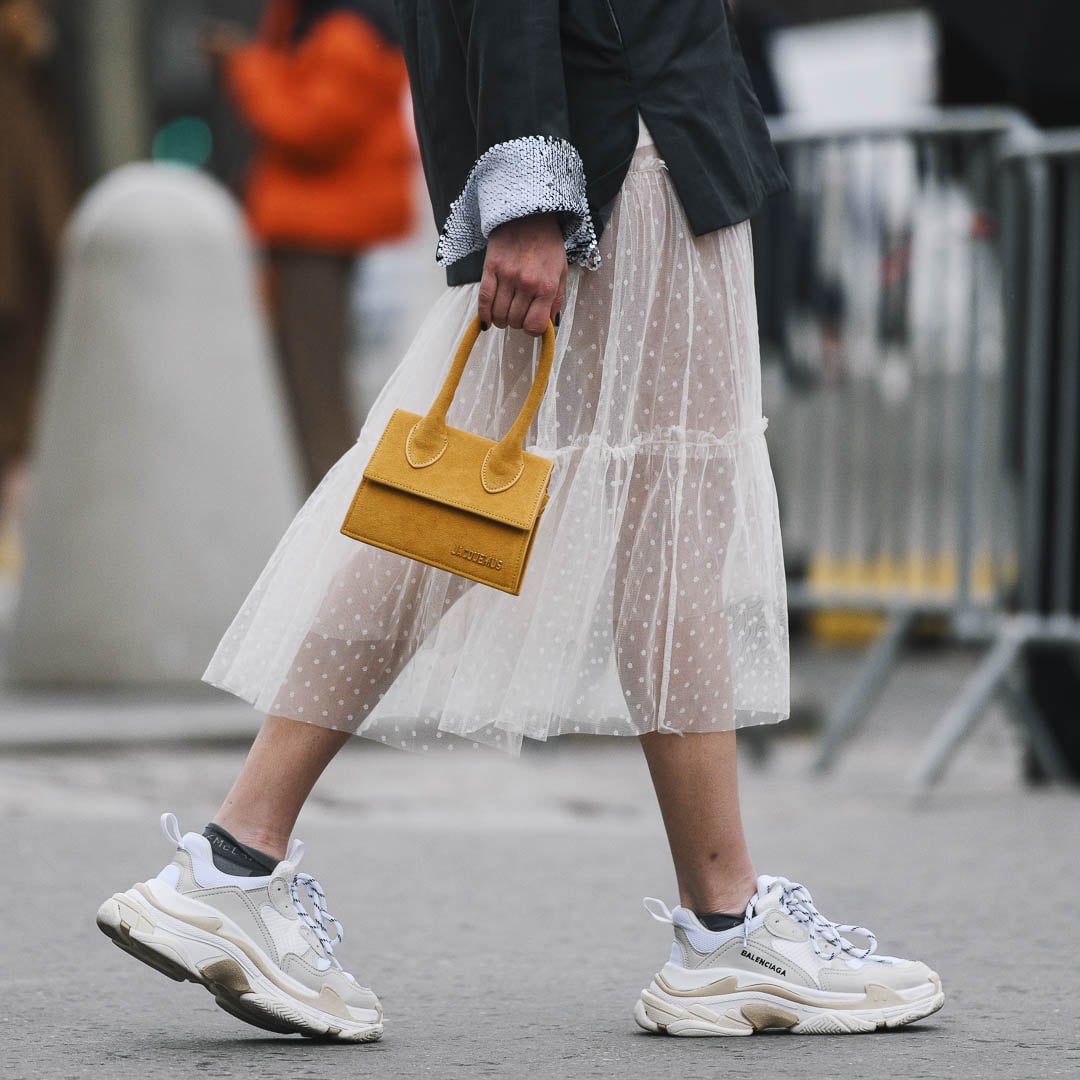
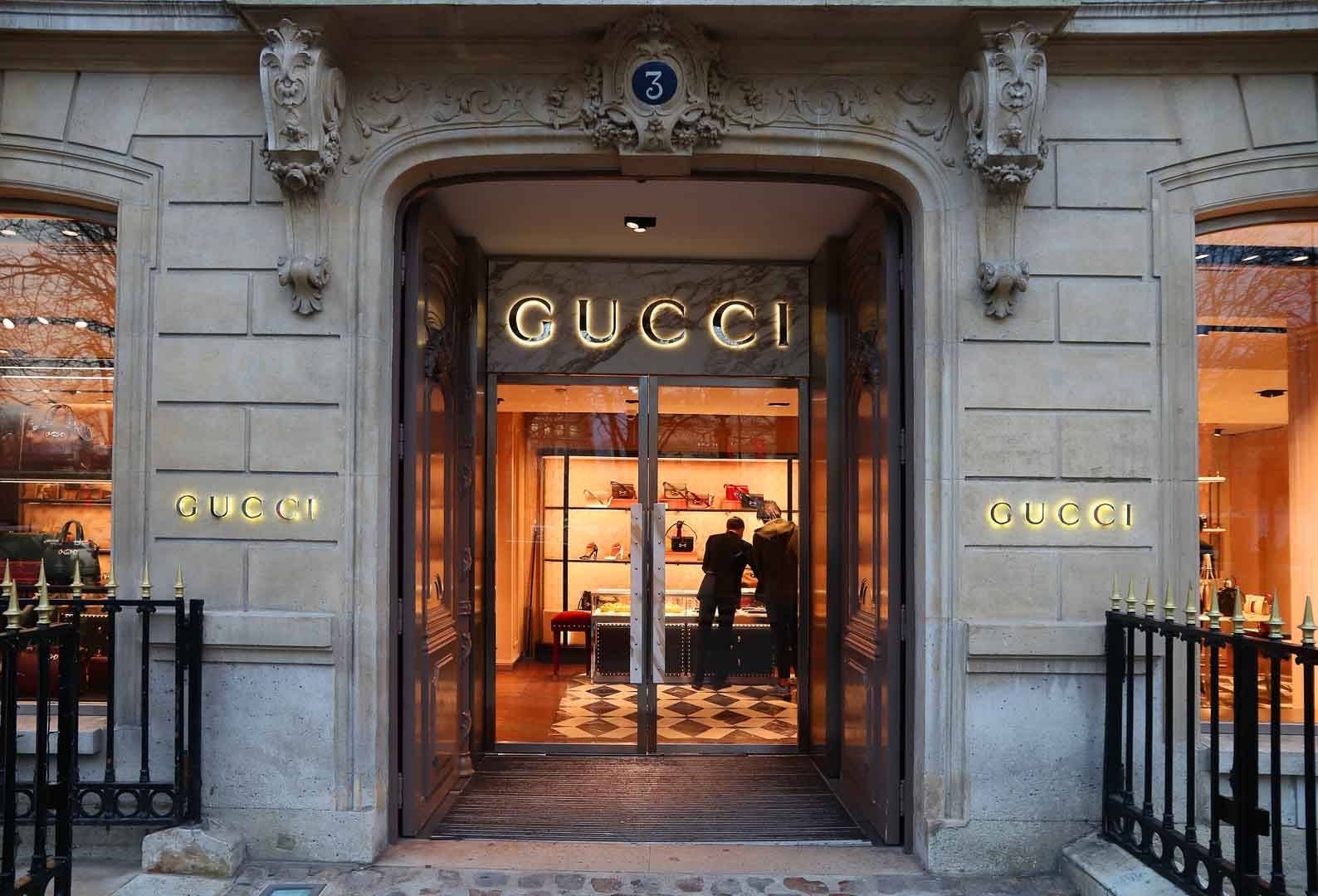
Kering is not a well-known name to the beloved herd of fashionistas. But it should be. They are an omnipresent luxury conglomerate that owns the likes of Gucci, Balenciaga, Saint Laurent, Brioni, among other luxury brands. And shockingly enough. Kering is, but a piece of an even bigger scrumptious pie managed by the entity called le Groupe Artemis, which the Pinault family solely owns.
Unsurprisingly, the Pinaults are worth approximately 26 billion dollars as of early 2026. This may seem massive to the common unwashed like myself, but only a few years ago their worth was estimated at a jaw-dropping $59 billion. Why, you ask, should I give a flying fuck? Well, this is the context needed to understand the extensive changes in fashion and styles that are actively impacting what we wear and aspire to.
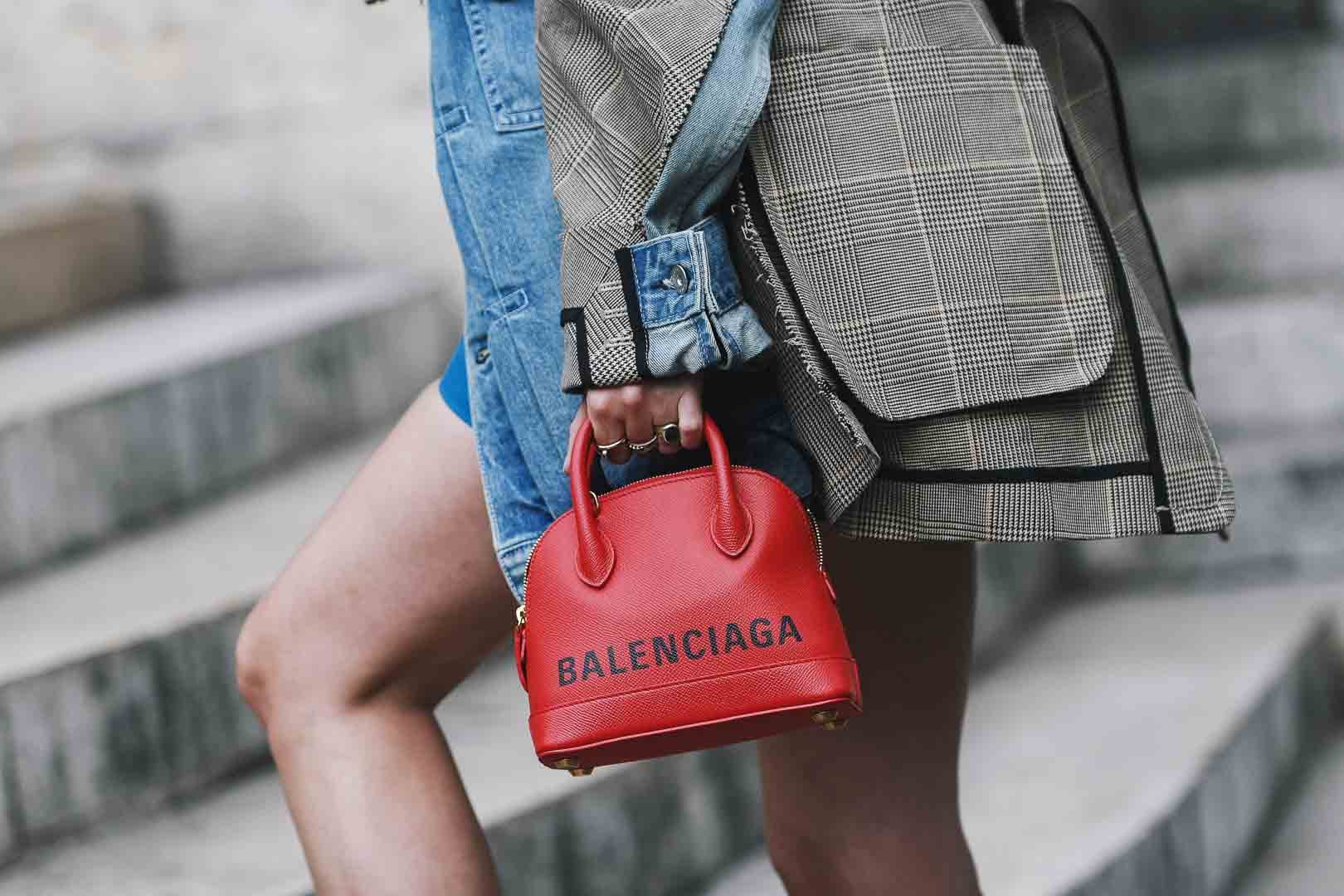
As the deep purple shadows of financial distress have overcome us in the past two years, the luxury market has been hit hard. Globally, people are squawking about the price of eggs, butter, and the ever-increasing prices of meat, not the suitability of buying that glossy, branded $400 t-shirt. Thus comes the pain and distress of Kering. One has to sell a lot of aspirational flip-flops to maintain their $19 billion in sales from 2024, which was a 20% drop from their peak in 2022. As much as we adore fashion and trends, in the end, it is about money and making sure stockholders are not more enraged. This is why such radical changes were imposed at Gucci and Balenciaga. But how have these brands changed, and what is their new direction?
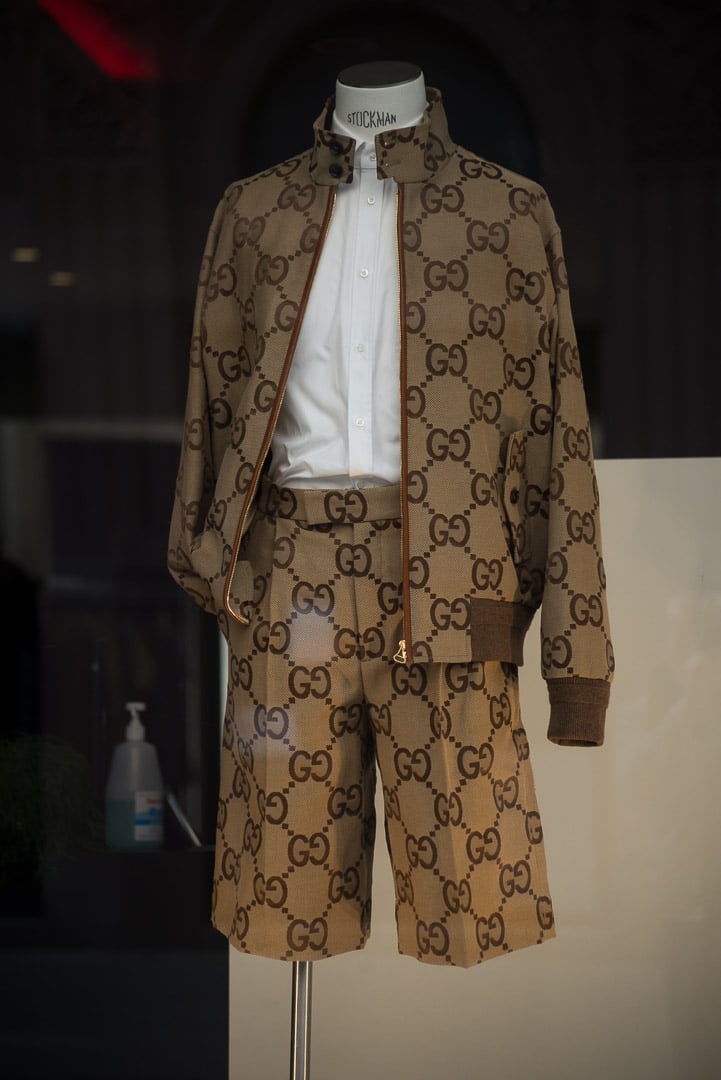
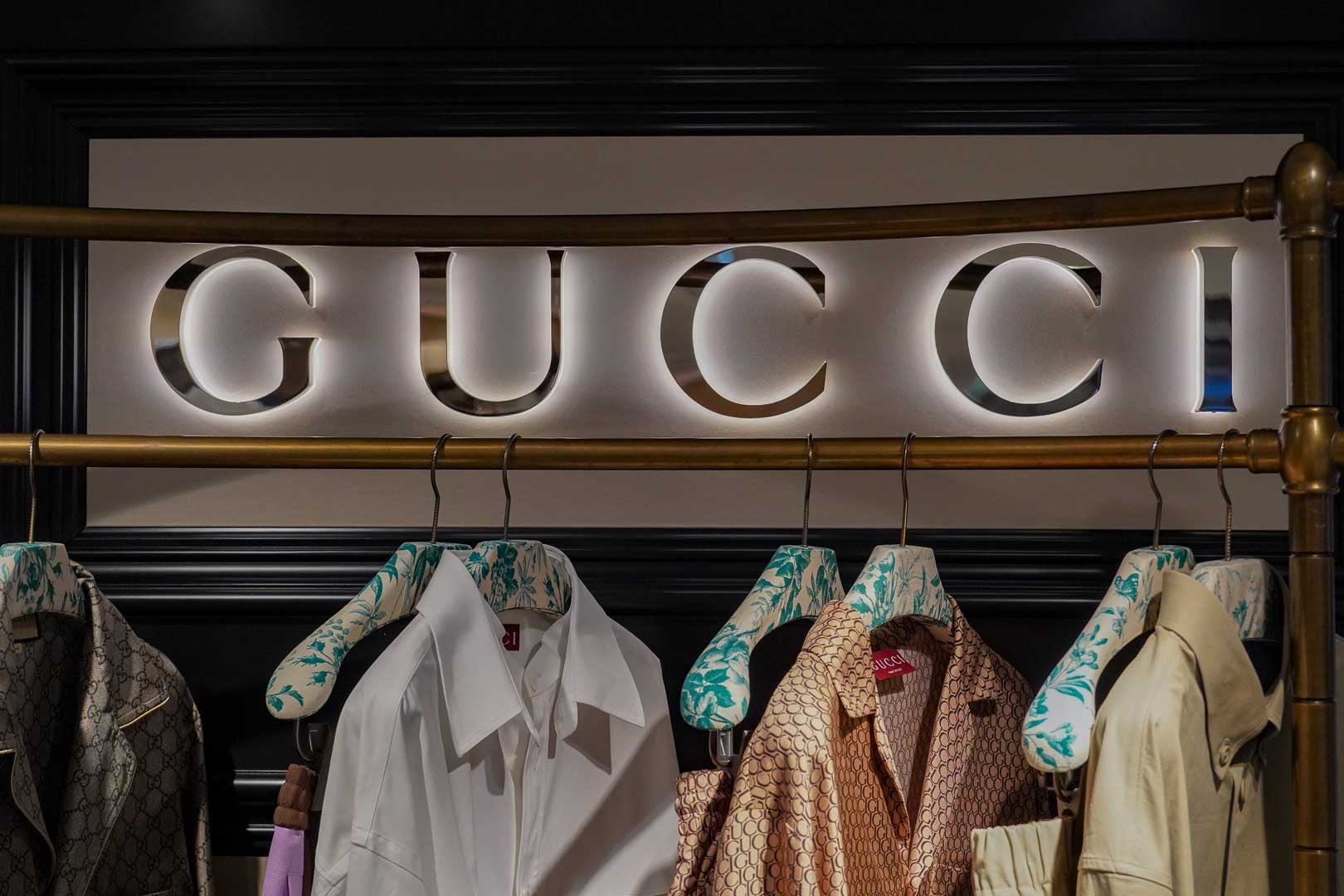
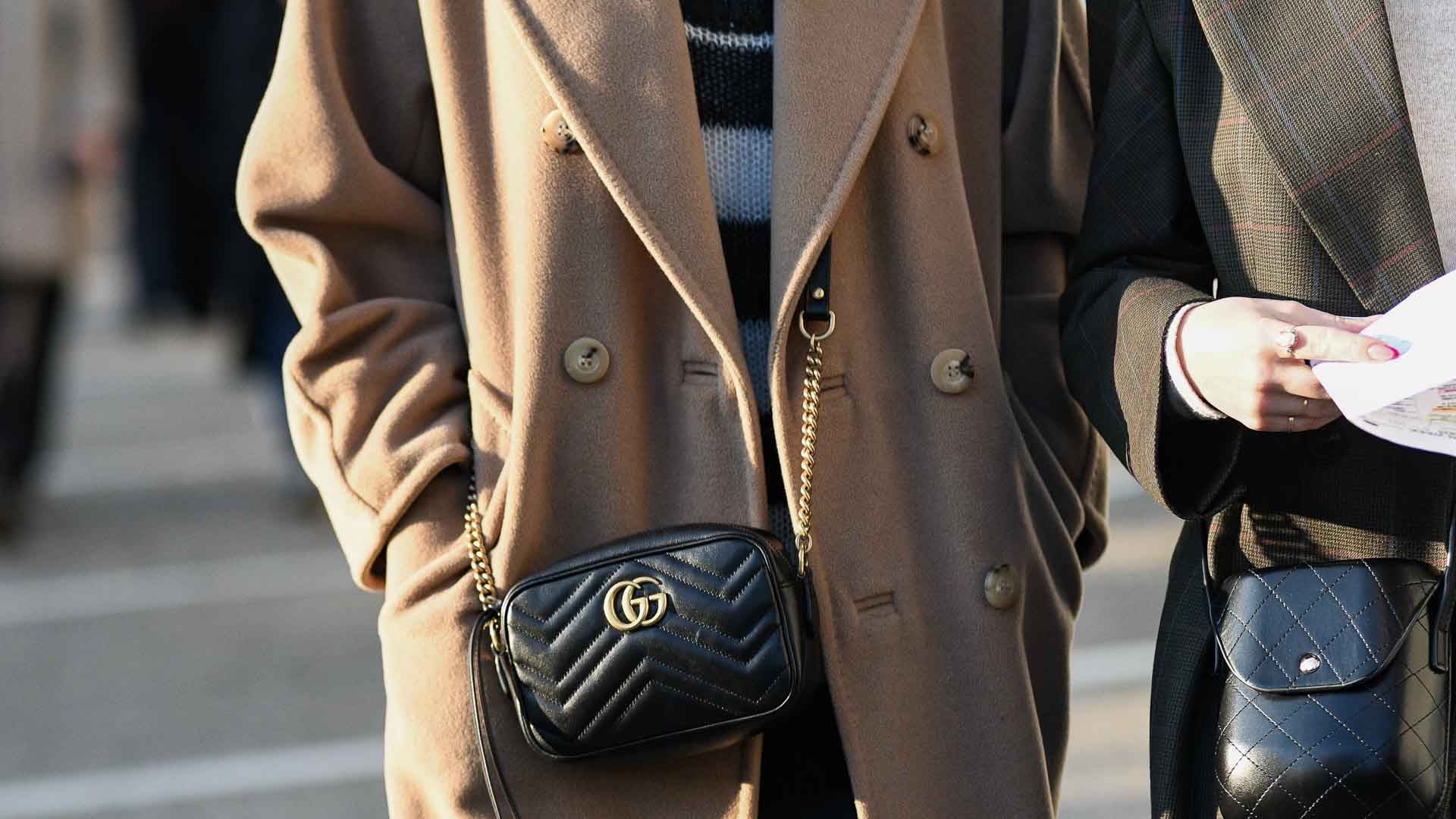
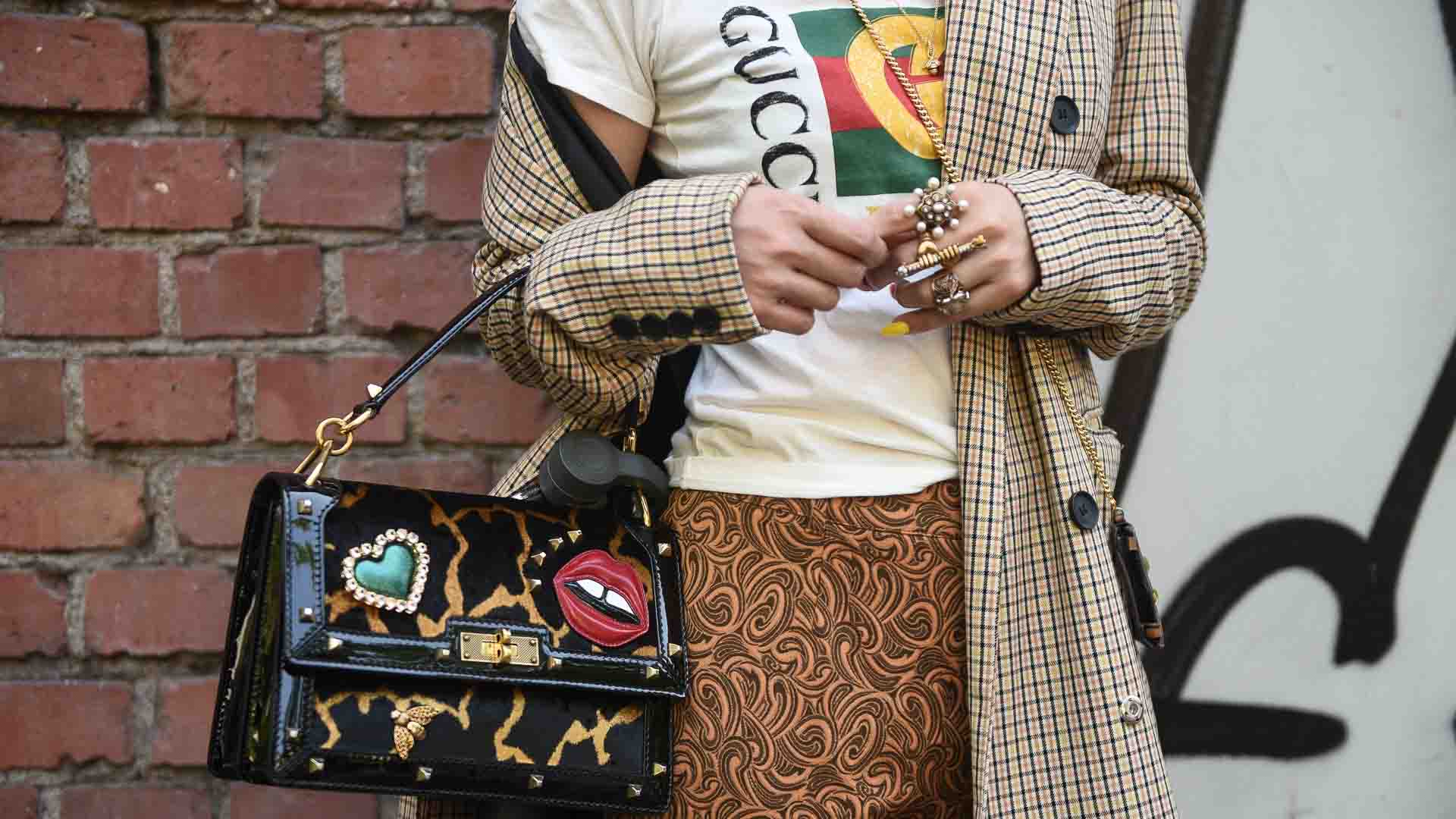
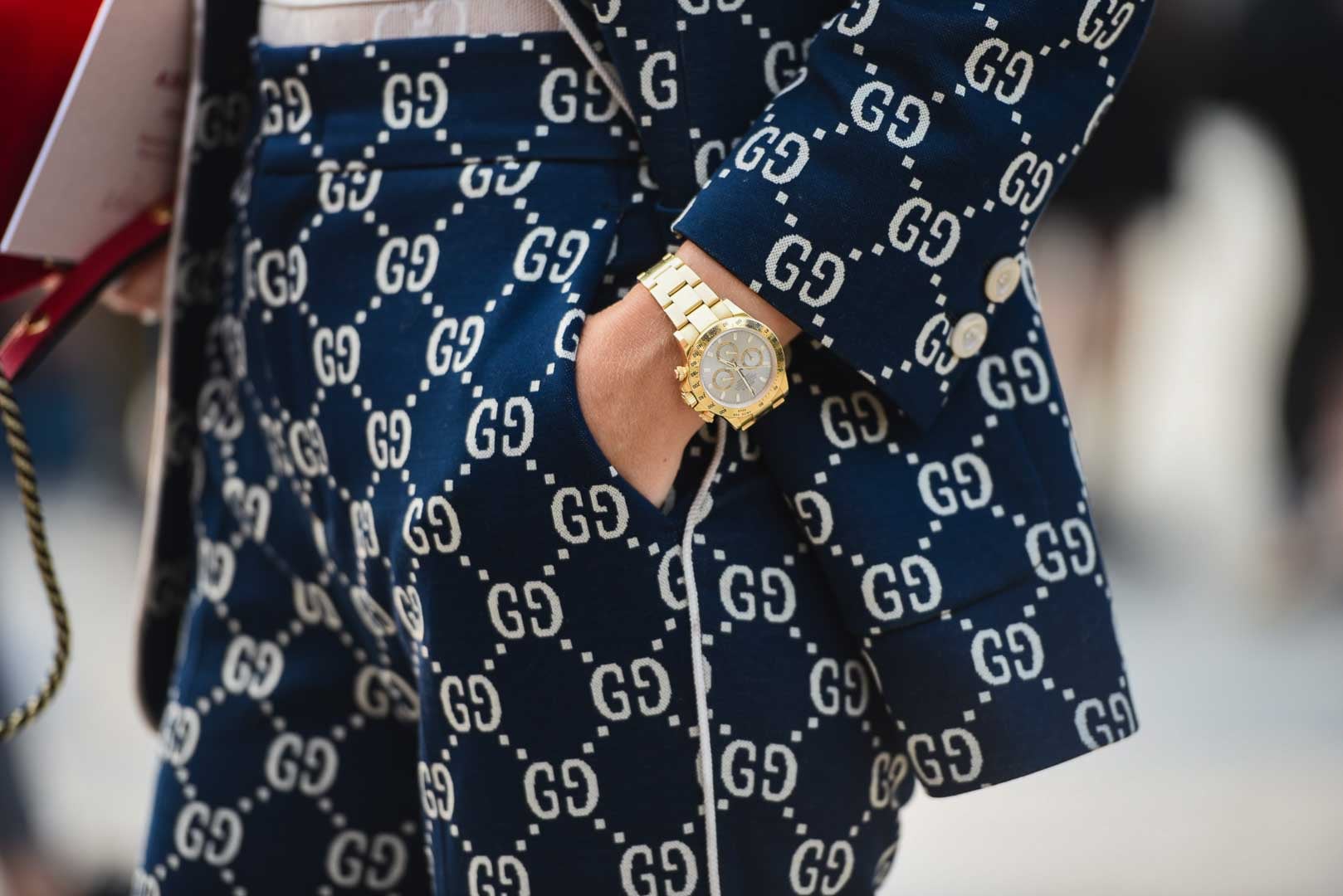
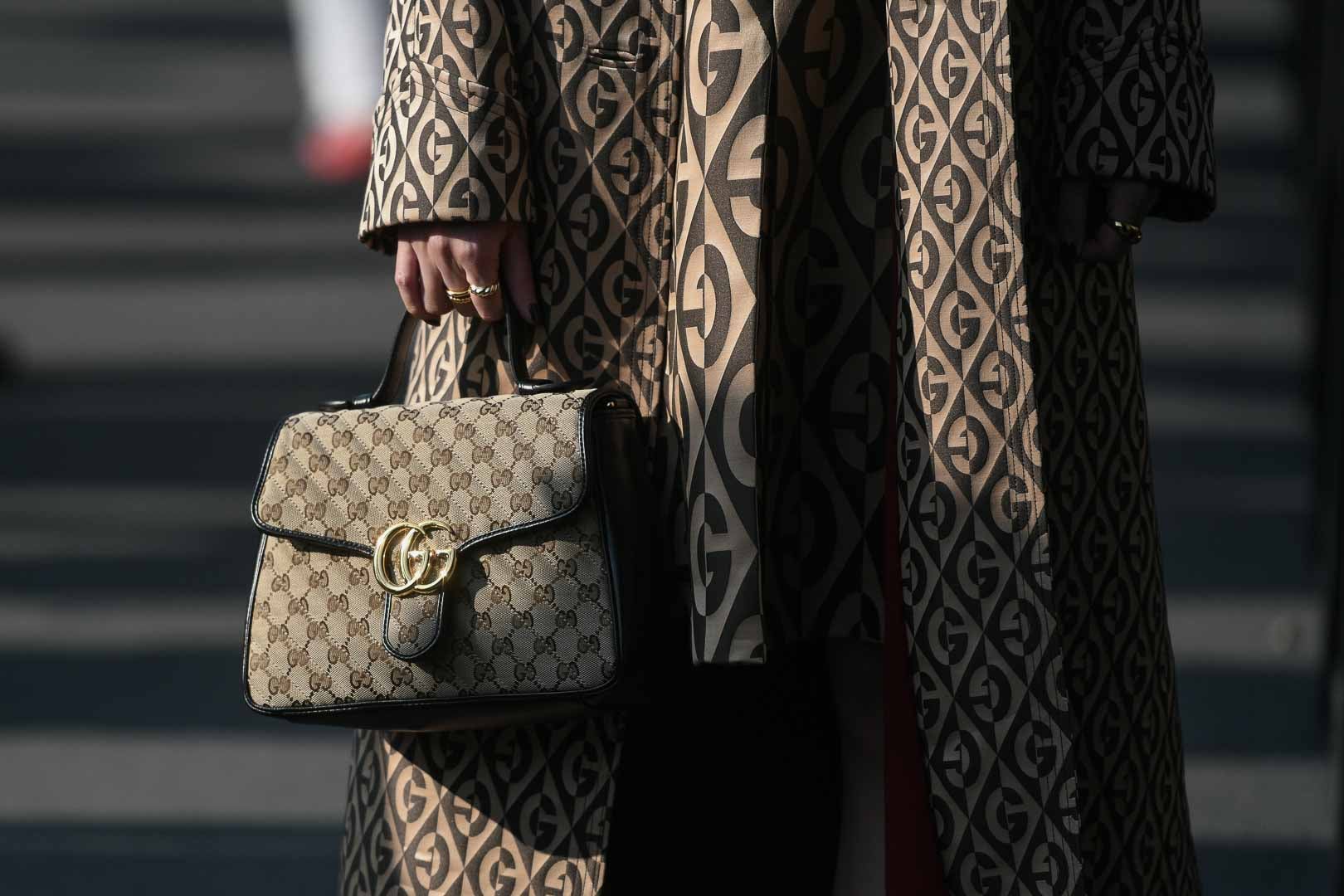
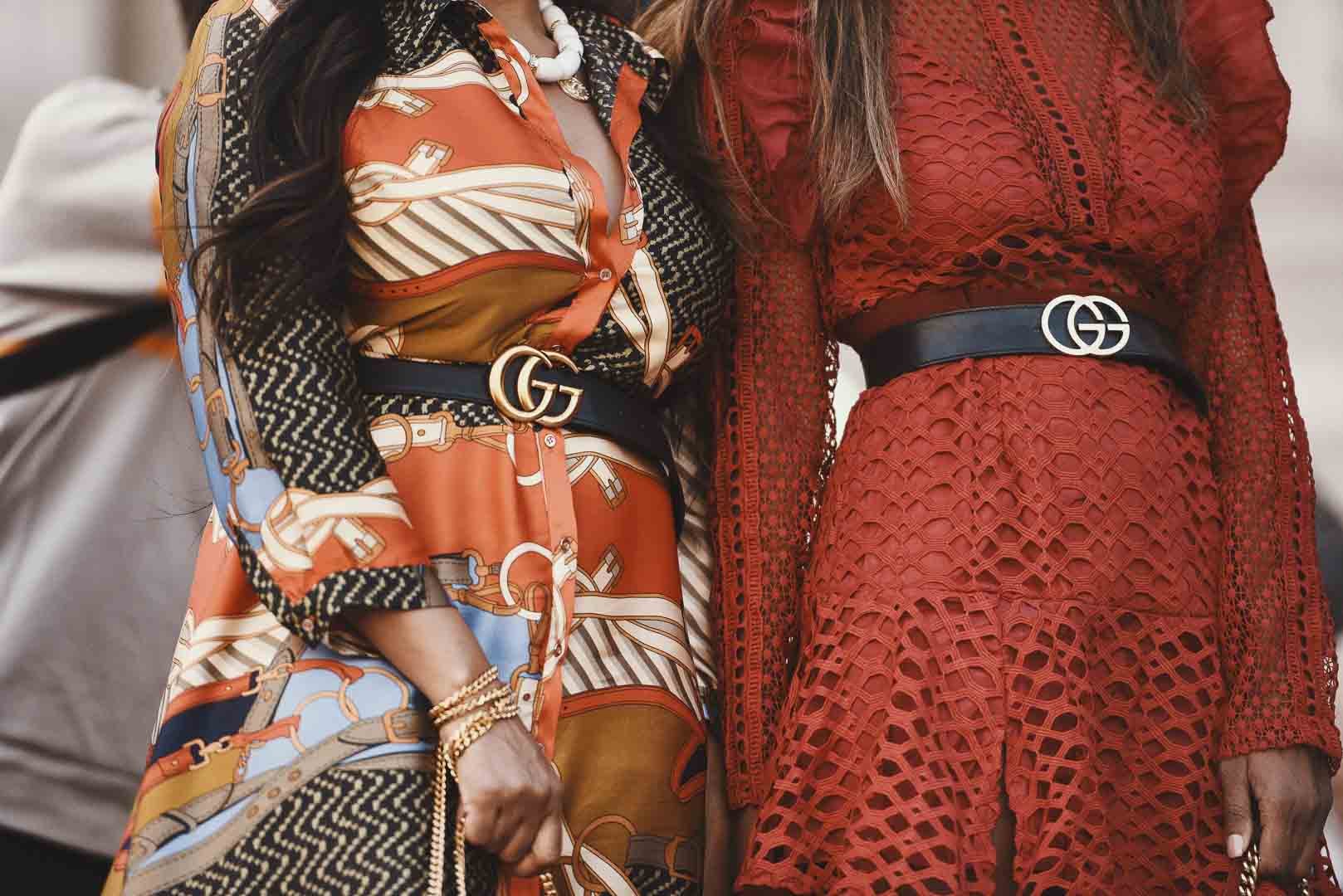
Gucci, under Demna, is now defined by an unapologetically sexy, extravagant, and daring approach. Demna has stated that he will blend high-fashion disruptive trends with deep archival references to Gucci’s storied history. Since taking over, he has introduced a new attitude to their clothes. This direction focuses on character-driven storytelling and a concept Demna calls “Gucciness”. His vision is primarily centered on several core pillars. The first is “Systematic Deconstruction,” a gorgeous, vague term meaning “I am removing all references to Michele and de Sabato.” The new creative director is removing what it meant to be Gucci in the last decade to create garments that feel lighter and more fluid. For example, suits and jackets often abandon buttons in favor of minimal clips, while jeans hide seams, pockets, and closures entirely. In his latest collection, Demna used materials such as archival silk faille, intentionally treated to feel vintage and lightweight.
The most intriguing part of the new Gucci aesthetic is the references to the Tom Ford era (1990s) of Gucci, characterized by provocative sensuality. In the latest collection, the house presented plunging evening gowns, skin-tight leather catsuits, and “nocturnal” interpretations of the classic Flora motif.
When asked about inspirations, Demna cites the archetypes known as “La Famiglia.” He uses exaggerated personas, such as “La Contessa” and “Incazzata,” to frame his collections, making them feel like a theatrical study of Italian bourgeois life. It is actually ingenious and, frankly, hilarious for such a daring designer to create wildly fashion-forward clothes rooted in the comfortable upper-middle-class origins of Gucci.
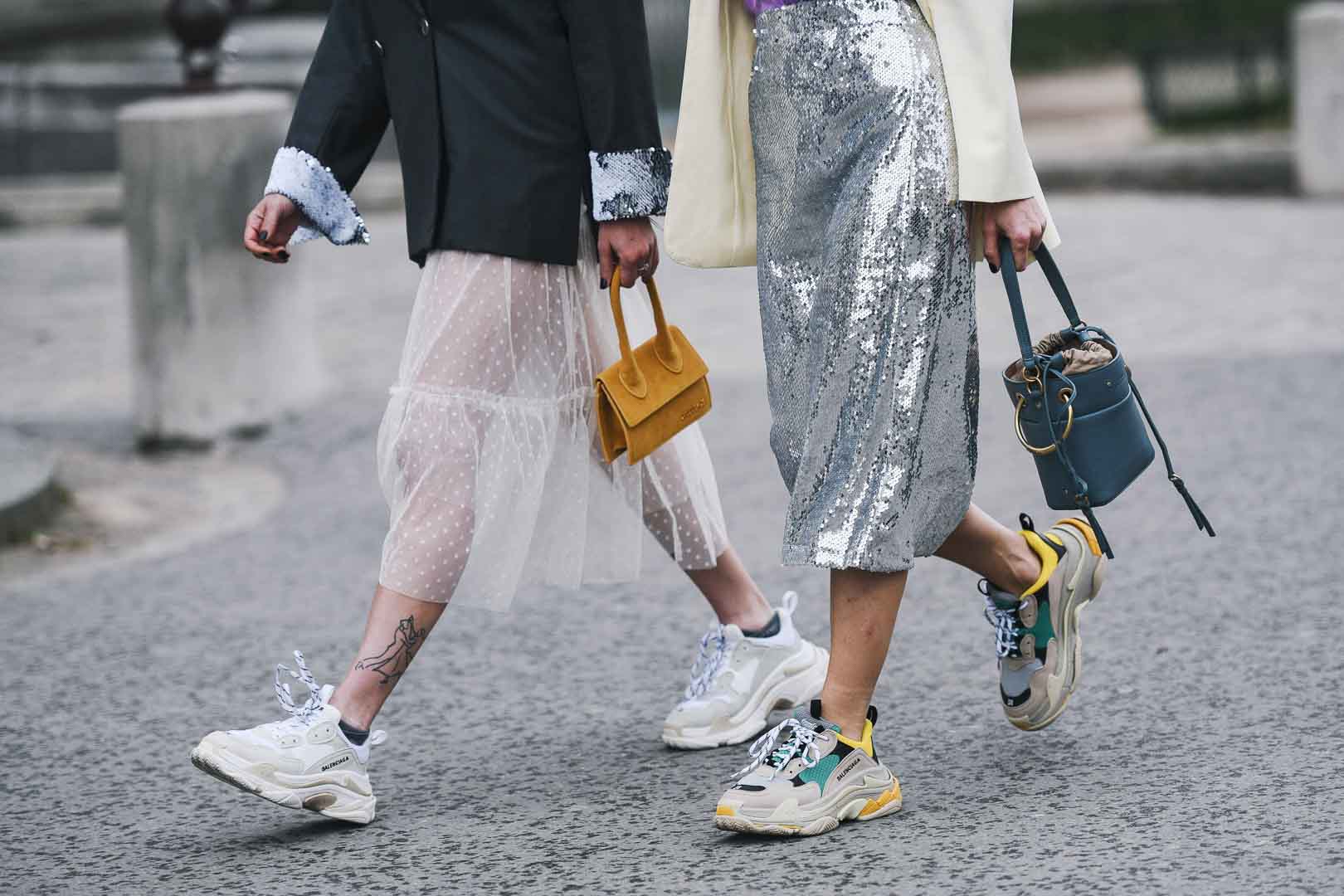
Instead of Demna’s radical streetwear crafted at Balenciaga, the new Gucci embraces a studied nonchalance. Such as coats that fall like bathrobes, travel suits with the comfort of pajamas, and step-in mules designed for effortless wear. Although we are somewhat cynical at Avessa, we adore this petit-bourgeois vision, which is cleaner and, frankly, more chic than the Frankenstein-monster tennis shoes of Demna’s Balenciaga. But do not be totally fooled, the designer continues to blur the lines between luxury and urban subculture. The collections on the runway in the stores mix 1960s-inspired tailoring with 90s-inspired leather, distressed denim, and moto jackets that evoke a sensual rockstar vibe. A more modern and hip version of the Ford era.
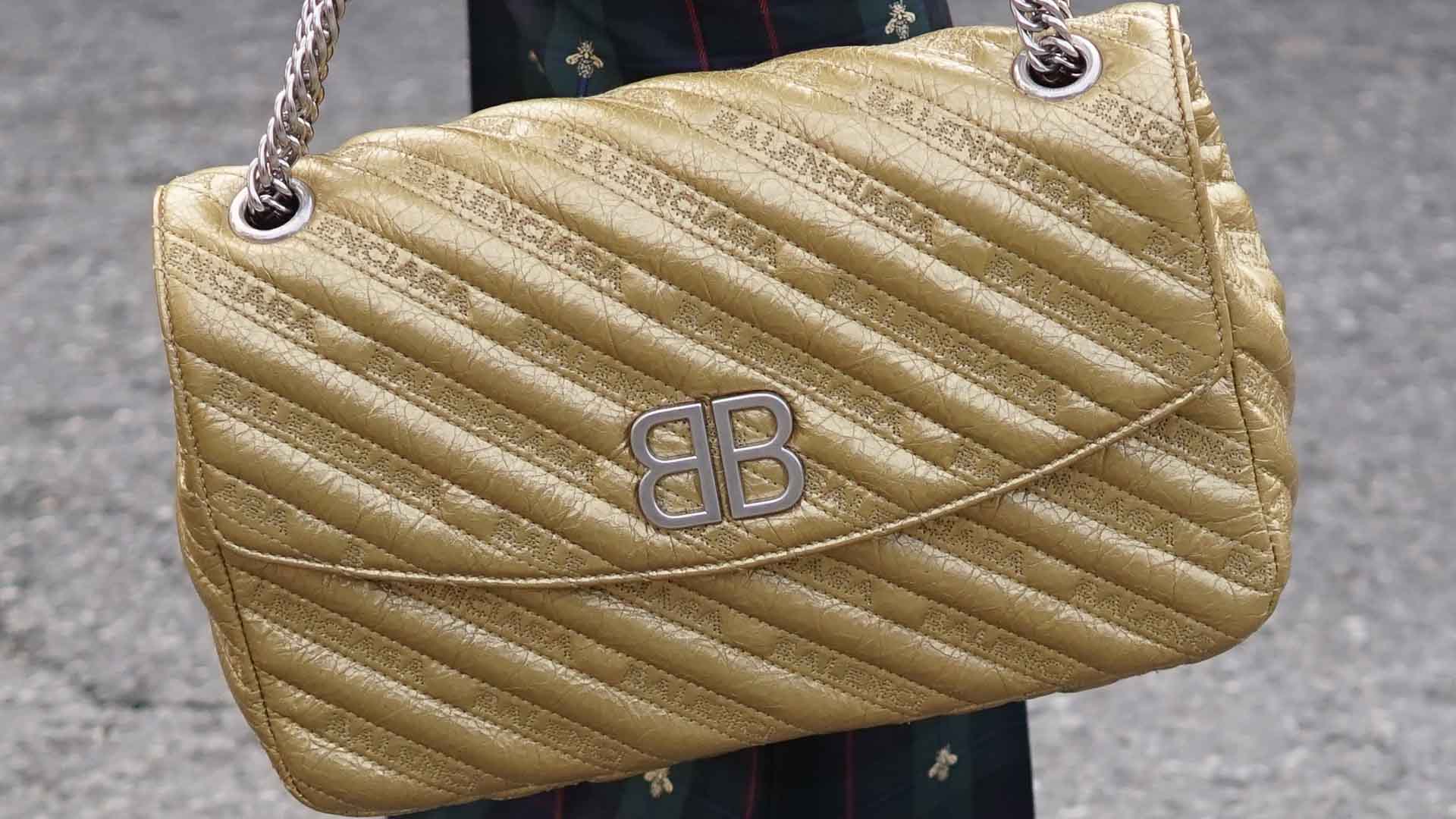
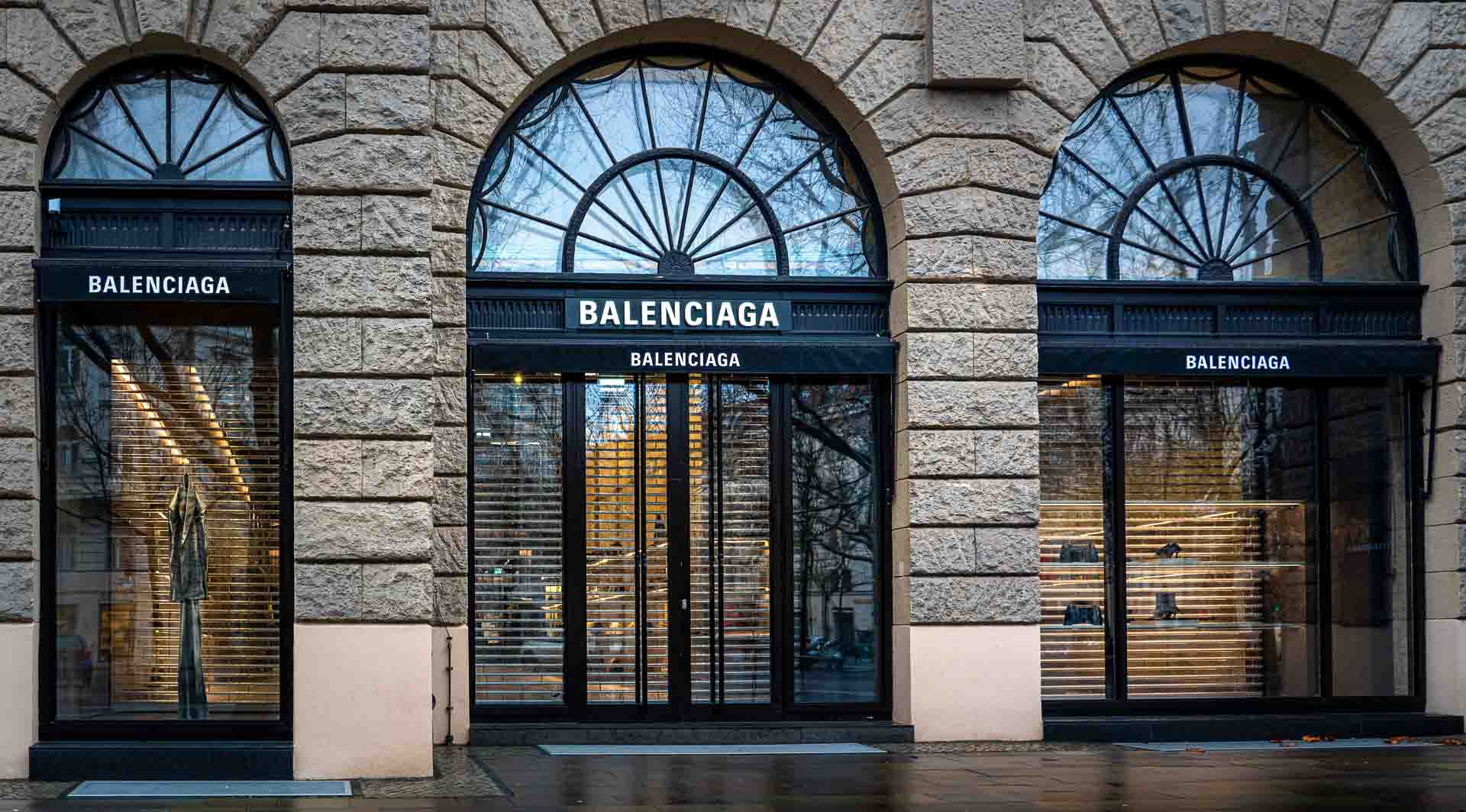
Over at Balenciaga is Pierpaolo Piccioli. The former leader of Valentino was appointed in May 2025 and officially assumed the role on July 10, 2025. He directly succeeded Demna, who could not be more opposite to Piccioli than sardines are to spam. Piccioli’s Balenciaga aesthetic is absolutely pivoting away from the ironic, dystopian streetwear of the previous decade toward a vision of refined romanticism and couture-level elegance.
Piccioli focuses on several core elements, primarily by linking directly to the legacy of founder Cristóbal Balenciaga. Balenciaga was known for sculptural, architectural silhouettes, tailoring, and volume. Piccioli’s first collection for Balenciaga was for Spring/Summer 2026 and called “The Heartbeat.” The designer featured modern reinterpretations of the sack dress, cocoon coats, and balloon skirts, but obviously with his own twist. Piccioli is known for his use of vibrant color, and this collection was no exception. He used intense palettes, such as emerald, magenta, and red. These colors were then applied to fluid, airy silhouettes that conveyed volume without a sense of heaviness. Piccioli loves to reference “humanity and craftsmanship,” which moves away from the shock-and-awe of previous Balenciaga designs. There is no needlessly performative clothing in this collection. Instead, the designer focuses on a more emotional and inclusive vision of luxury.
Piccioli’s debut at Paris Fashion Week in October 2025 was met with a standing ovation, signaling a successful “clean break” for the brand. He is expected to show his first complete couture collection for Balenciaga in July 2026.
So why is any of this important? The first question is whether such radical changes in branding are destructive or appropriate to maintain high interest and sales. Is Kering just fooling with our emotions to make a buck, or is this rebranding a part of fashion’s life cycle?
Conventional wisdom in branding is to evolve rather than completely remake a brand if it has an existing reputation. Business school graduates emphasize that established brands carry inherent equity that should never be tossed aside with insouciance. Staid theory stresses that, strategically, one should gradually modernize elements while preserving the core identity to stay relevant. A complete turnaround in brand is only necessary when the current market positioning is fundamentally broken. Companies should not resort to radical restarts, which require connecting with new audiences and aligning with new goals. The business school’s answer is that if a brand has a strong foundation, then there is no need to demolish and rebuild. One should always balance past equity with future needs.
That makes sense, no? But we are talking about the fashion industry, which has never been known for common sense or calm, thoughtful approaches. Fashion history is marked by cyclical reinventions where new movements emerge to replace the old. Besides thinking more deeply, are Demna and Piccioli actually throwing out their respective brands’ history?
Gucci has always been an opera with relatively frequent breaks in its aesthetic, but always with one goal in mind: to lead in fashion. Cristobal Balenciaga, on the other hand, would have been horrified to be described as avant-garde. He was a designer who deeply felt what was beautiful to him and just assumed the appropriate people would wear his clothes. So, are Demna and Piccioli really changing their brands to take unknown, unforeseen dark paths?
Actually, we at Avessa applaud these moves and are complete fans of both designers. But that doesn’t discount the fact that Kering has absolutely been sneakily moving around its star designers to make more money. One cannot ignore that Kering has faced declining sales and profits, particularly at Gucci, which previously made up two-thirds of its operating profit. The company is under pressure to improve its financial standing and reduce its reliance on Gucci’s past success. Period. It’s that, or the market will break up this conglomerate and eat its young.
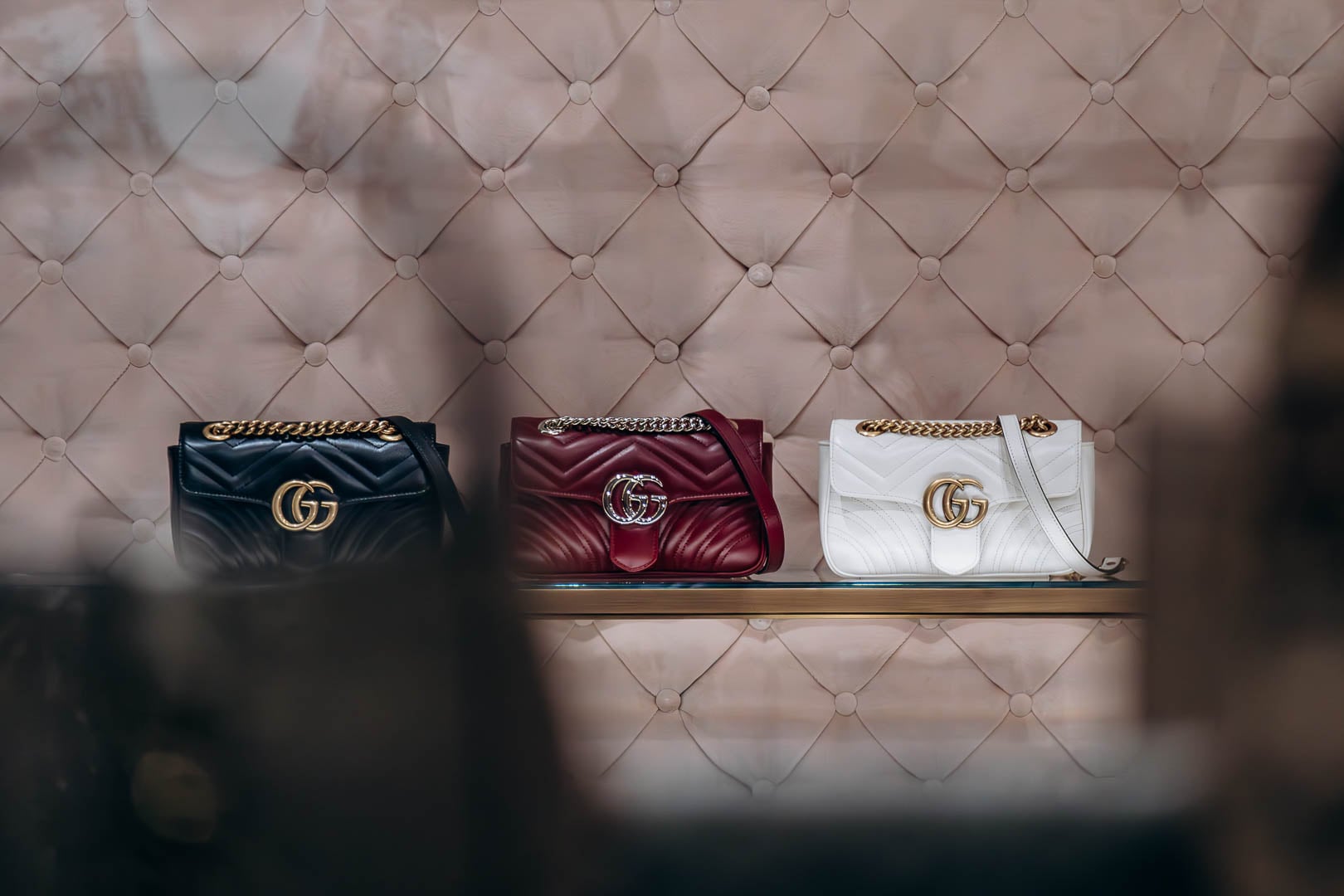
These personnel changes are part of a wider restructuring plan to minimize Kering’s overexposure to Gucci, rebalance its brand portfolio, and return to profitable growth. This has included the sale of its beauty business to L’Oréal to reduce debt and gain focus on luxury clothing.
Ultimately, while creative vision is central to luxury, the movement of designers is a deliberate, high-level business strategy to engineer desire, drive sales, and ensure the long-term financial health and growth of the individual houses and the group as a whole. At the same time, the eager fashionista in us decries the grotesque commercial mindset of business people and loathes the blatantly provocative moves; that same fashionista wants Gucci and Balenciaga to continue their glory far, far into the future.

Recovering from an obsession with Italian-designed menswear, Alfonso decided to take a deeper look into women’s fashion to see how our relationship among clothing, society, and business has changed. Educated as an economist with an MBA, he travels between Chicago, Miami, and Mexico on a search to see what happens next to fashion.
Get the latest fashion, culture, and art updates, including magazine releases release parties
Sponsored Content