Fashion
We truthfully believe that fashion is the gateway to understanding a nation’s soul. By admitting our ignorance, we unfold Bolivian fashion from the blind spot, showcasing a place of landlocked mystery that is finally finding its voice through many modern designers and diverse cultures.
Updated 10:53 am EST, February 25, 2026
Published 04:53 am EST, February 25, 2026
Fashion Designers: Marcelo Rojas, Sonia Avilés
Producer: Carlos Pardo
Make-up Artists: Sharon Nacimento Correa, Jennifer Tamara Dávila Barrancos
Hair Stylists: Juliana Gaby, Cespedes Cadena
Models: Kristen Rocio, Rojas Flores, Estefany Rivero, Feza Muyabwa
Photography: Limbergh Ibañez
Assistants: Carmen Eugenia Terrazas Guirapoigua, Miguel Alejandro Guzman Molina, Valentina Alejandra Villena Miranda
We truthfully believe that fashion is the gateway to understanding a nation’s soul. By admitting our ignorance, we unfold Bolivian fashion from the blind spot, showcasing a place of landlocked mystery that is finally finding its voice through many modern designers and diverse cultures.
Updated 10:53 am EST, February 25, 2026
Published 04:53 am EST, February 25, 2026
Fashion Designers: Marcelo Rojas, Sonia Avilés
Producer: Carlos Pardo
Make-up Artists: Sharon Nacimento Correa, Jennifer Tamara Dávila Barrancos
Hair Stylists: Juliana Gaby, Cespedes Cadena
Models: Kristen Rocio, Rojas Flores, Estefany Rivero, Feza Muyabwa
Photography: Limbergh Ibañez
Assistants: Carmen Eugenia Terrazas Guirapoigua, Miguel Alejandro Guzman Molina, Valentina Alejandra Villena Miranda
Bolivian Fashion: The "Forgotten" Angle
A few weeks ago, I had the immense pleasure of interviewing three highly relevant figures from Bolivia’s fashion scene. Since then, I have found myself countless times replaying in my head, with a sort of disgust, my immense ignorance about Bolivia. This might make you think, at the very least, that I am a bit peculiar, and you would be right, but I think you will understand me better if I explain that one of my favorite places to go out for dinner in Madrid is a Nikkei spot (Japanese – Peruvian fusion), or that at least once a week I listen to one of my playlists dedicated to João and Astrud Gilberto, the pioneering father of Brazilian Bossa Nova in the sixties and his partner, or that nothing makes me happier than eating the reina pepiada arepas made by my friend Valeria’s mother…
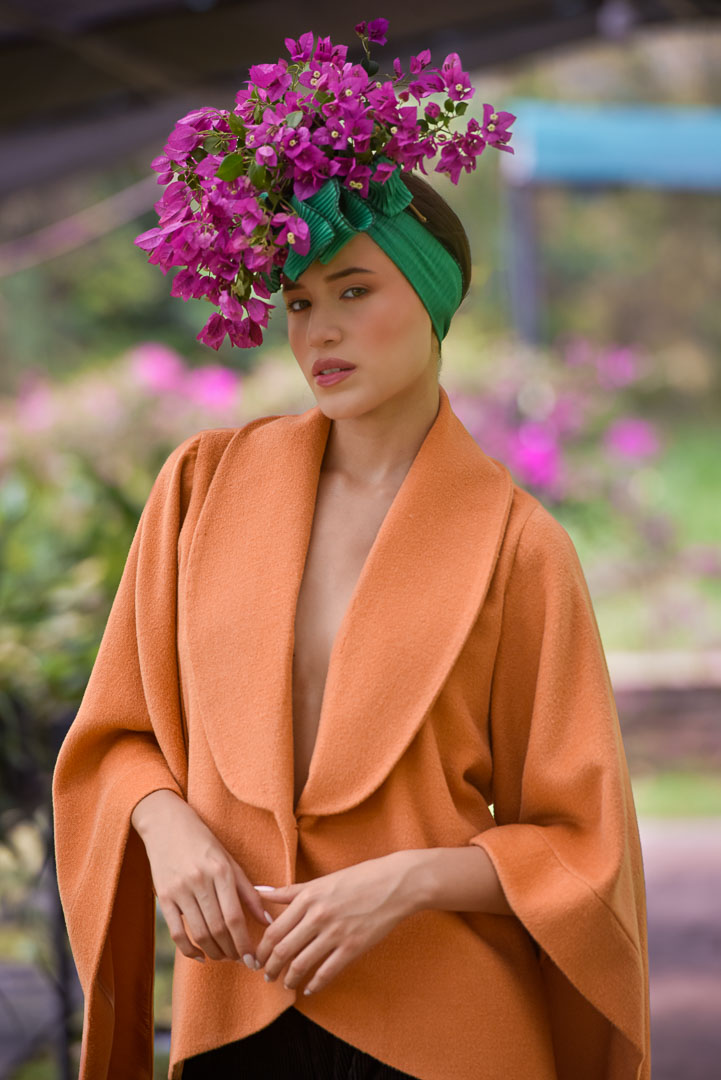
When I spoke with my three interviewees, I was able to learn and understand the reasons why a country so incredibly rich culturally, ethnically, gastronomically, and artistically remains so unknown. Some of them talked about its years of political instability and the lack of investment in international campaigns to elevate its national identity, while others explained the strong geographic influence that comes from being a landlocked country, and how much its absence is felt… Heritage cities like Sucre or Potosí, at least thirty-six native villages recognized in its 2009 constitution, and four sociocultural regions as rich as they are different from one another, and yet from the other side of the Atlantic, and on a personal level, I had never had the opportunity to truly get to know the country in depth… The huge positive side of all this is that my very first real encounter with Bolivia came through fashion, and through three people who genuinely marked a before and after in my understanding and in who I am.
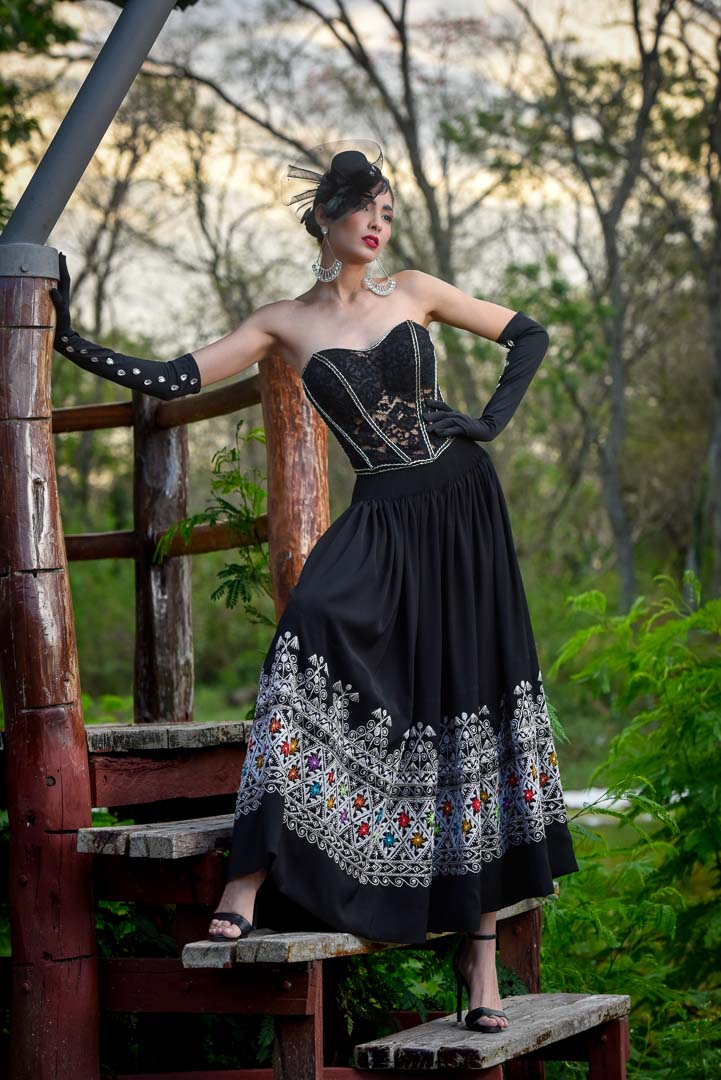
Three people who work every day against all odds to turn the tide, especially on a cultural level. I ended the round of interviews with Carlos Pardo, from whom I learned in less than an hour an incalculable amount of details about the country and about fashion event production, his field. Pardo told me how, after the desertification left by the pandemic, Bolivia’s fashion industry came close to disappearing. Faced with that, he armed himself with whatever it takes to get where he is now (I wish I knew) and set himself to work and give the industry back everything it once had, in the best way he knew how. That is how Trendy was born, a fashion publication that in 2024 became the country’s biggest fashion event, bringing together more than forty established and emerging designers in less than a month to showcase their work in a special, unique, and unprecedented way. During our conversation and the two interviews prior, I had the immense pleasure of learning something fascinating: Bolivia’s fashion, to a large extent, is nourished by the ethnic roots of some of its native peoples and cultures, and by the vast sociocultural value they represent. Marcelo Rojas Vallejo and Sonia Avilés spoke to me about this with tremendous passion and precision.
My afternoon began with Marcelo Rojas, whose list of professions is too extensive and astonishing to start with. Marcelo knew from a very young age, and within a deeply misogynist society, that his vocation was fashion and the creation of it, and as one might unfortunately expect, sharing this news with his parents caused quite a stir…
Marcelo Rojas elevates Bolivia’s fashion scene with creativity and innovation.
After going through the unavoidable process of studying a more “common” degree, he began training in sewing and tailoring, which quickly led him to work with an established designer in the country. And in the blink of an eye, Marcelo had accumulated more than twenty years in the profession he fell in love with as a child, to which he later added another twenty years on national television, where he hosted fashion critique segments, promoted the national labelling, and interviewed various designers…
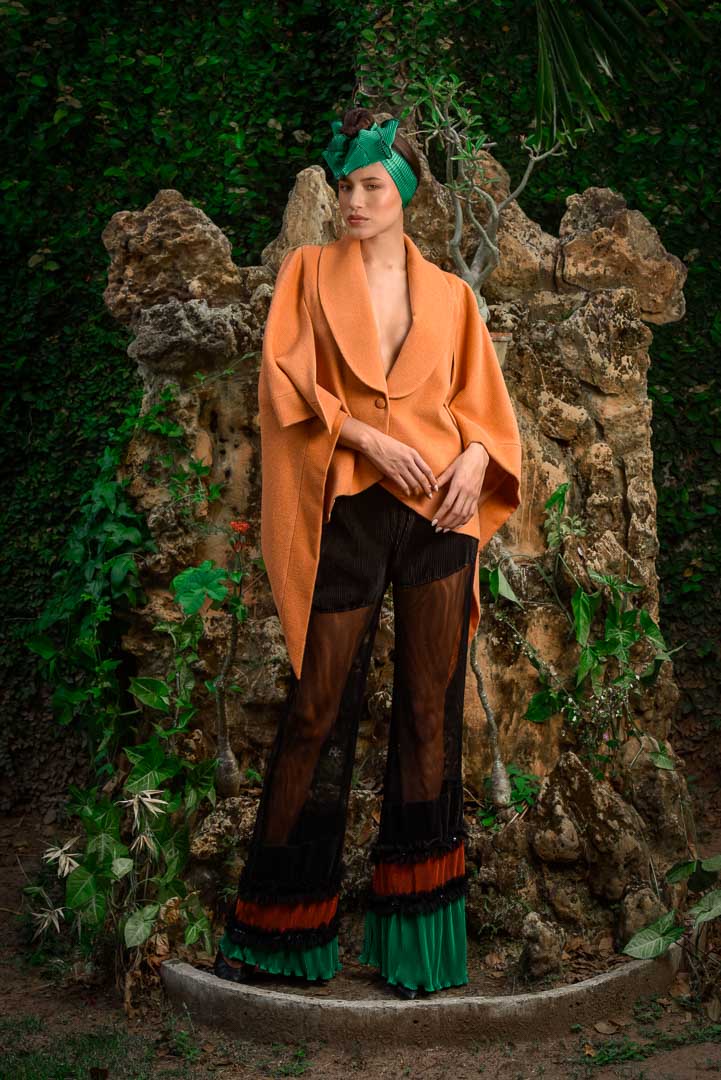
I could tell that inner child was jumping with joy when he told me that Vogue Mexico awarded him the main fashion communicator prize, or that he presented shows inside and outside the country, from Miami to Mexico and Colombia… Or that the Bolivian government honored him for representing Bolivian haute couture in Milan… A career full of achievements.
In the pre-COVID era, his atelier was at a very high point, and everything was running smoothly; little did he (and we all) know what was coming and the tremendous consequences it would have for businesses. When things stabilized, he began transitioning from haute couture to prêt-a-porter, a project more adapted to social needs and to the context of the time.
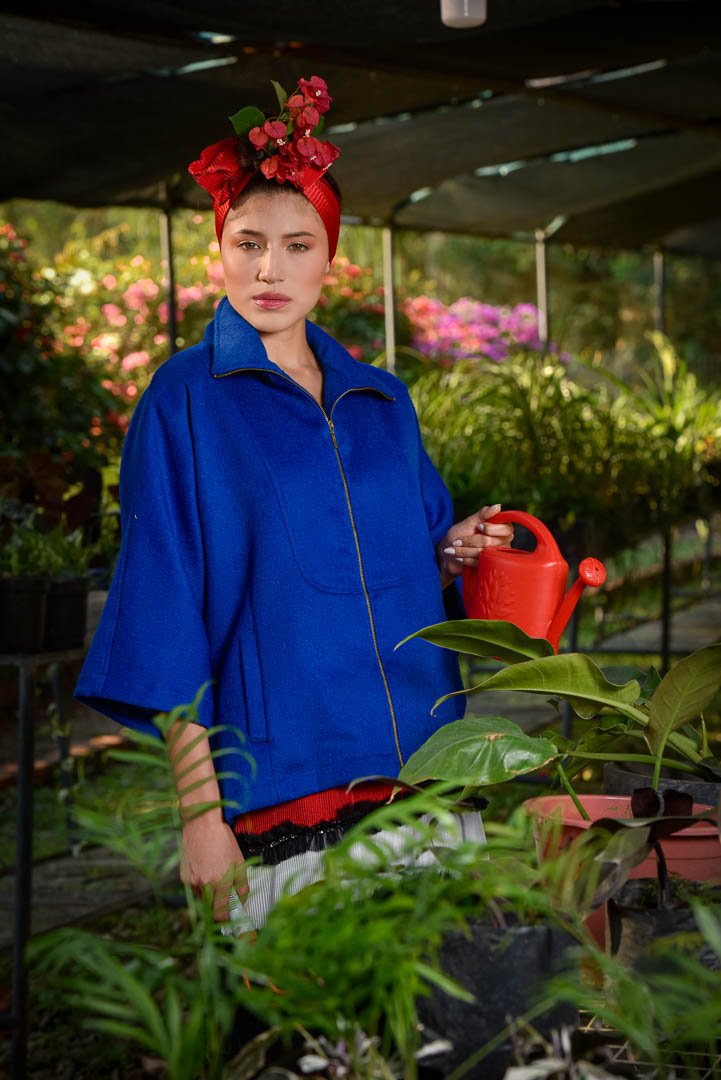
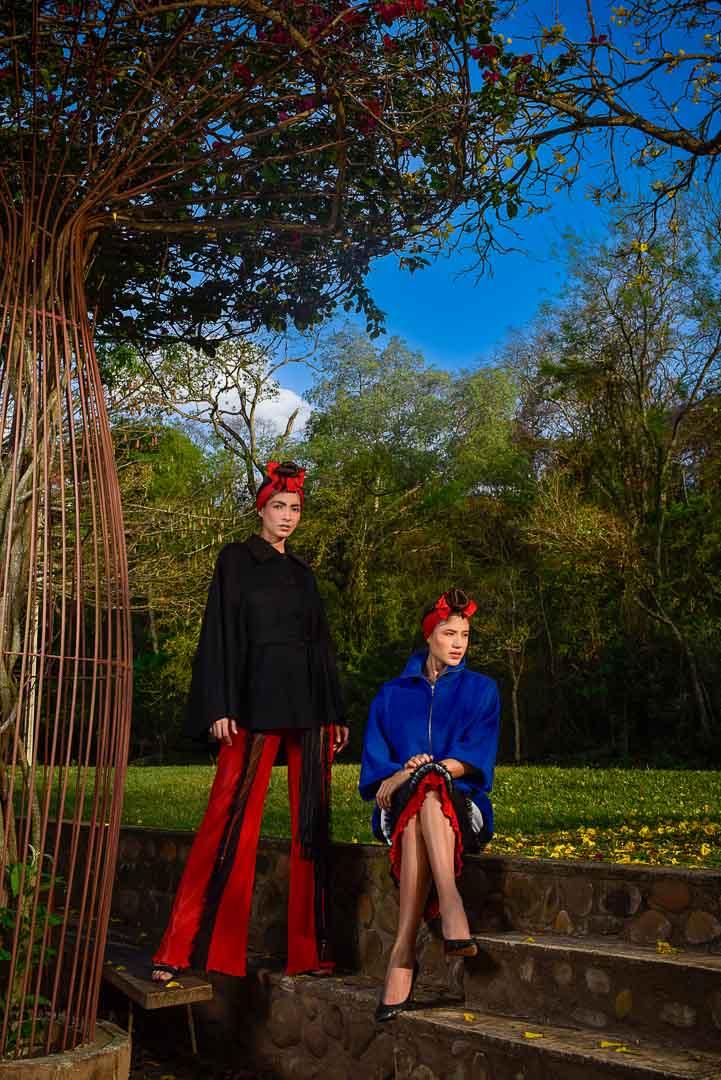
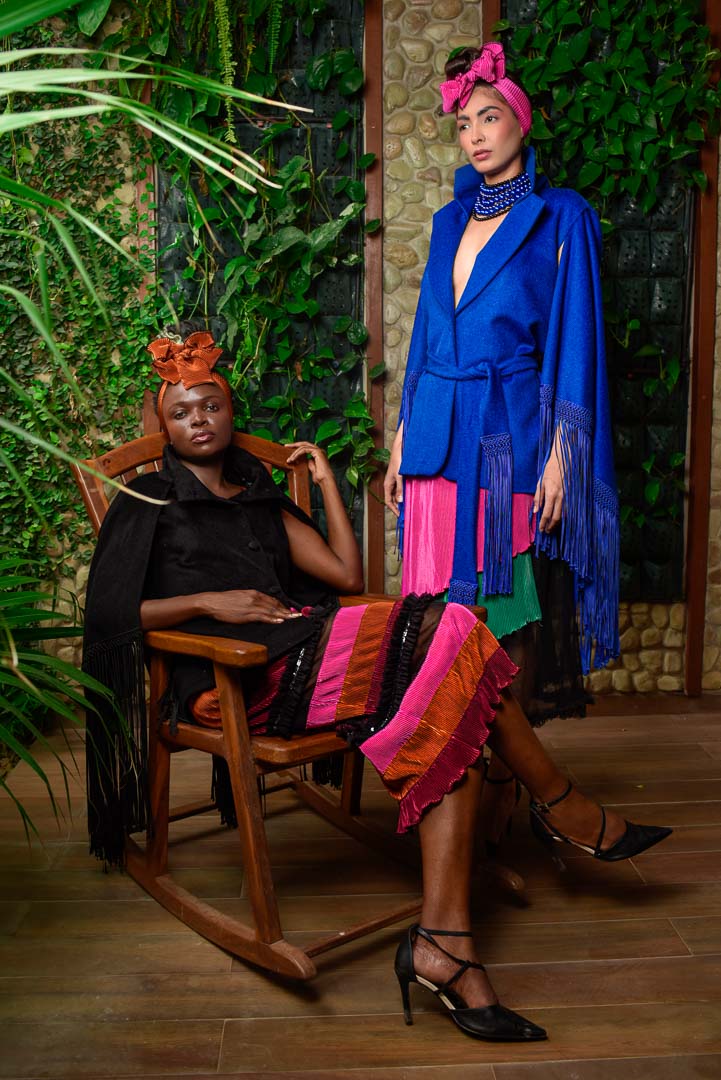
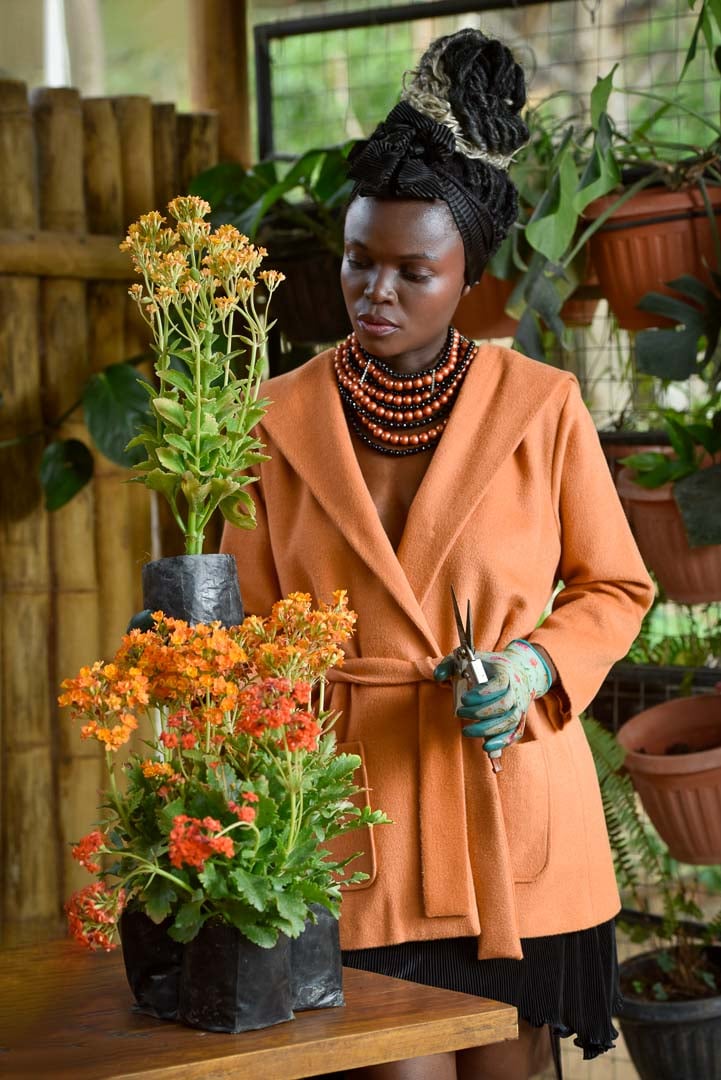
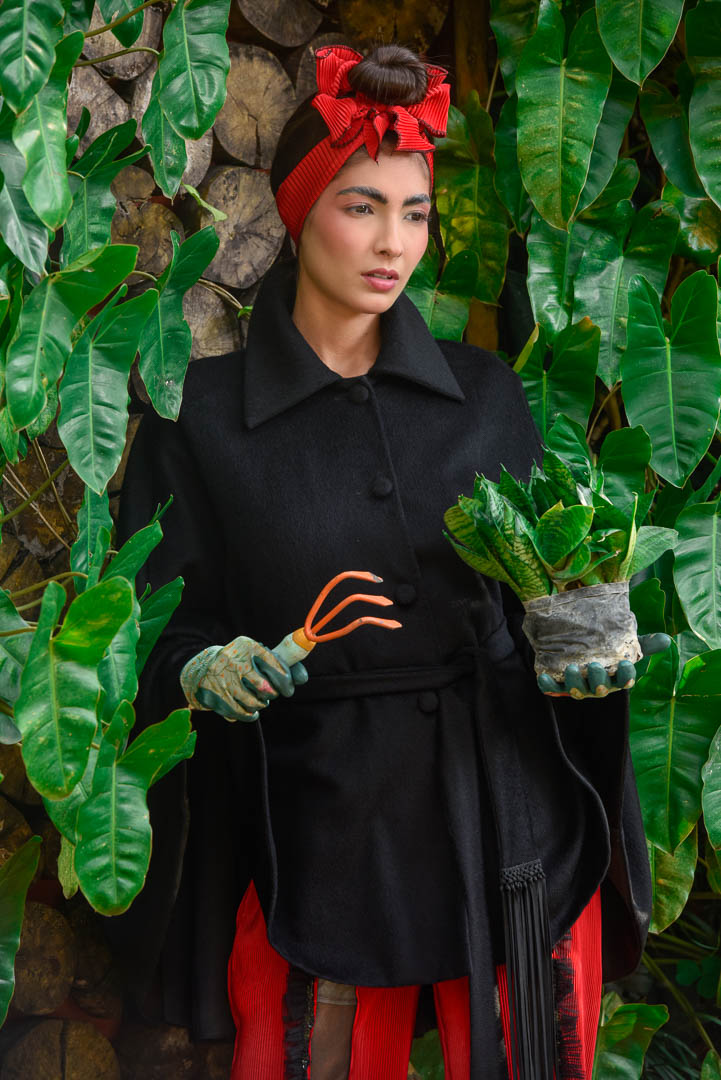
In this 2025 edition of Carlos Pardo’s Trendy Fashion Week, and after navigating these difficult years, Marcelo presented his collection “TEKOPORÁ MYMY”, Quiet Luxury in the Guaraní language. A collection of pieces where elegance is woven with baby alpaca, and the richness of Ava Guaraní culture and its folkloric garments serves as the muse. A selection of outerwear and pleated silk bottoms, tulle details, and subtle metallic embroidery… Since then, the collection has entered the market, standing out especially thanks to the exceptional reception it has had among Bolivia’s female diplomatic and political circles, which is a crucial and invaluable step in the trajectory of his career. Overall, Marcelo’s path is a constant movement toward revaluing his country’s textile industry, elevating its craftsmanship, and raising the national label as a way to reclaim platforms, social and cultural spaces, and new horizons where Bolivia is perceived as the true jewel it is…
Marcelo Rojas redefines Bolivian fashion, merging heritage with contemporary vision.
My afternoon continued with a beautiful conversation with Sonia Avilés, who graduated in social mediation in Italy and has dedicated her life to the integration of migrant women from rural areas into big cities.
With her, I got to learn in depth about the importance of supporting the migrant population, especially women, within the country, women who are born in some environments completely disconnected from urban currents and rhythms, women who speak Quechua and do not communicate in Spanish, and who for the most part devote themselves to manual work such as embroidery…
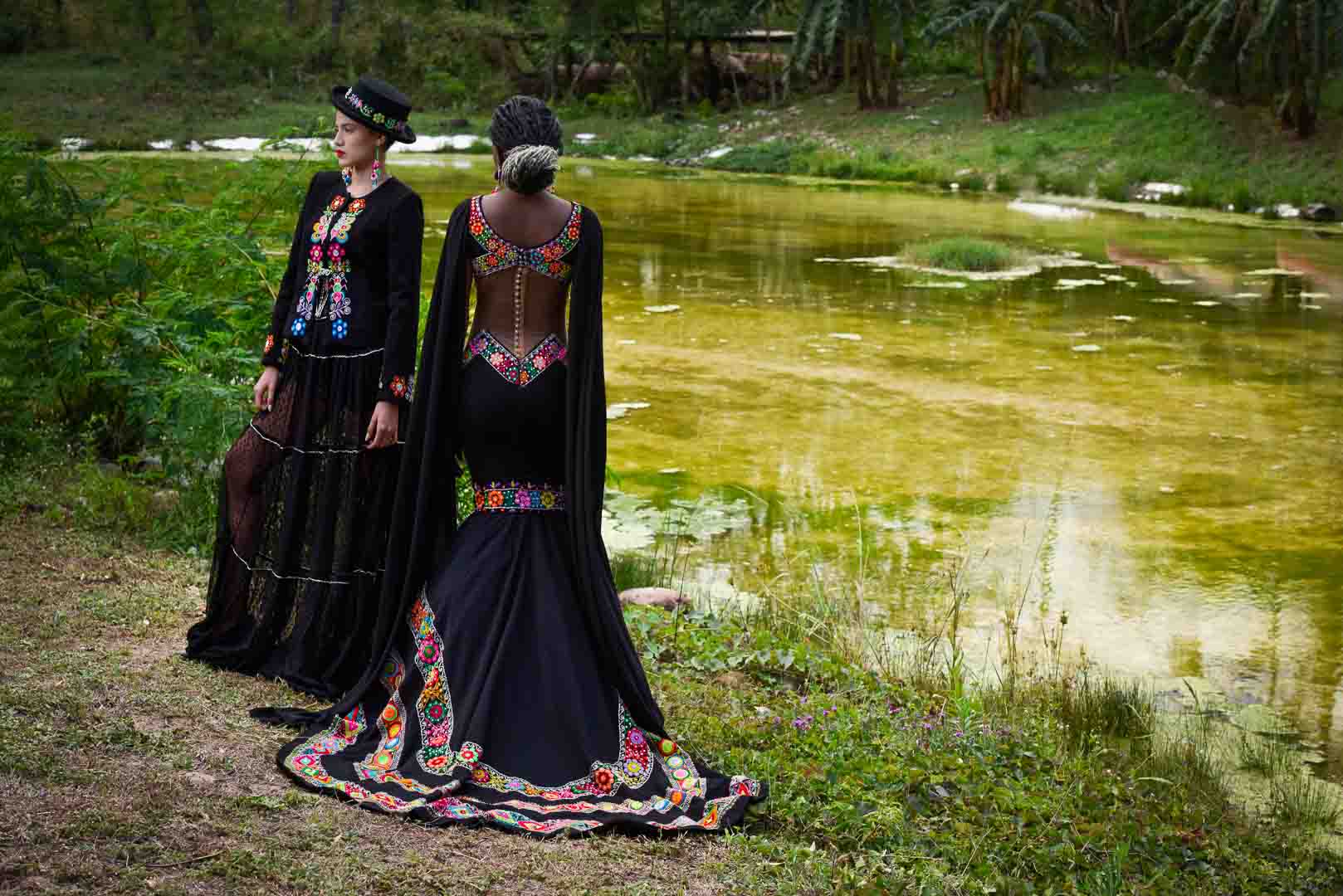
To achieve this, Sonia Avilés founded her own social company, a place to help these women empower themselves through manual crafts like macramé. A place where ancestral techniques are delicately fused with fashion. Today, there are already forty women who work with her doing embroidery, sewing, and making jewelry, among other disciplines. Women who are trained through a comprehensive learning process that includes sexual education, nutrition, and transversal education.
Since 2011, she has devoted her time to this project, which had to reinvent itself after the pandemic and has now evolved into a home-based model. Each woman now has her own workshop and manages her hours and her responsibilities freely.
From her city, Sucre, she mainly works with women from Chuquisaca and Potosí, with whom she rescues ethnic embroidery from the Jalq’a, Calcha, Q’ara Q’ara, San Lucas, and Yampara cultures.
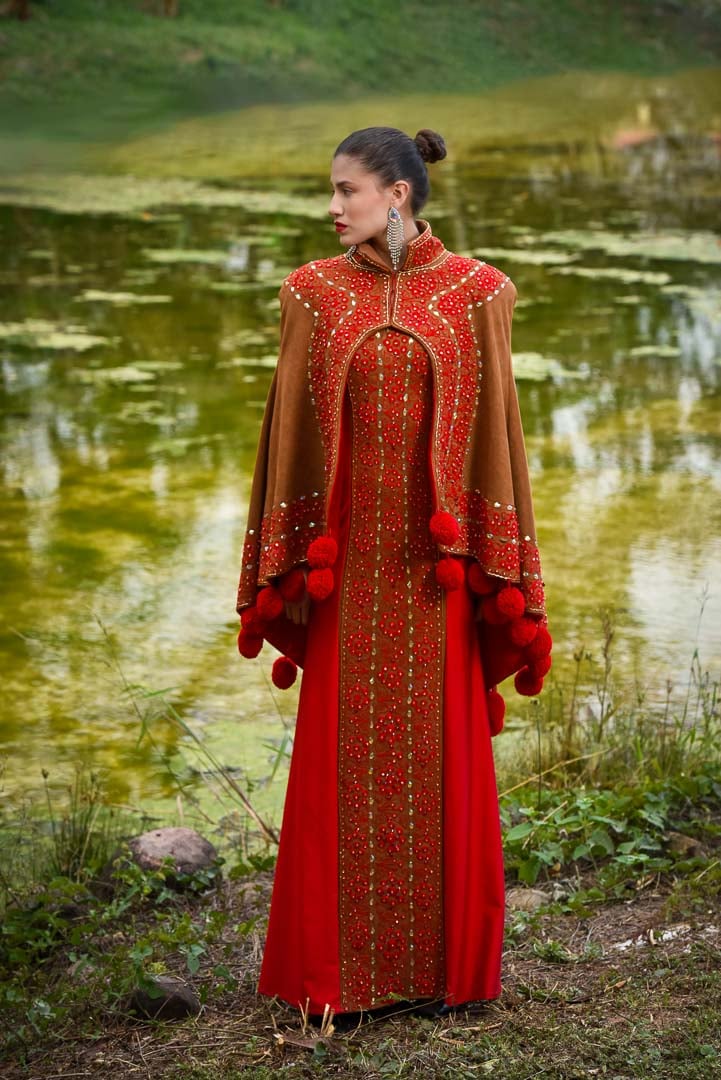
They take certain colors, iconographies, nods, and tributes from native cultures and portray them in modern and current visions, such as mermaid silhouettes. With these in hand, they have reached the category of ethnoglam, ethnic fashion with a glamorous twist, even creating gala gowns and wedding dresses…
Sonia spoke fondly about one of her biggest projects this year: dressing Miss Bolivia. During the early phases of the pageant, a candidate from each department is presented, and she dressed Miss Chuquisaca (one of the departments) in a traditional gown. And although the final representative chosen was another contestant from a northern department, she also chose Sonia to create her special gown.
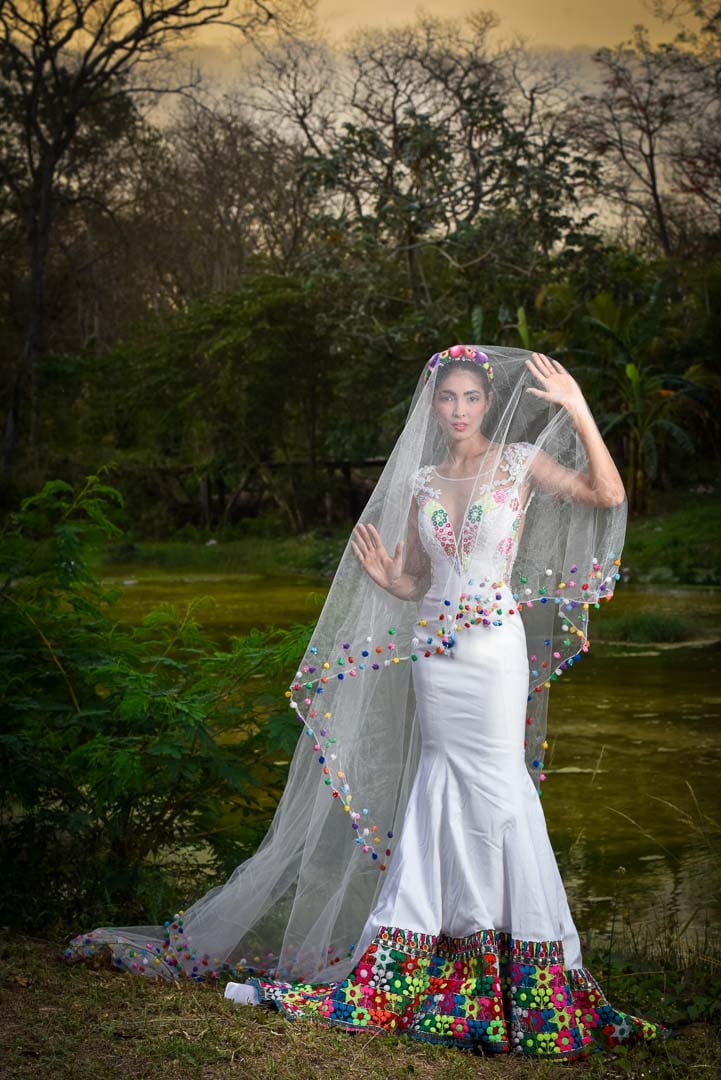
They also made for her a traditional costume whose execution required a long research process, as it is inspired by a figure from Bolivian folklore, “Mama Ocllo” (an Inca princess who rose from Lake Titicaca, the lake of the sun, and who, upon her emergence, taught women how to embroider and cook, among other things). For this, they recovered embroidery from all regions of Bolivia… truly remarkable.
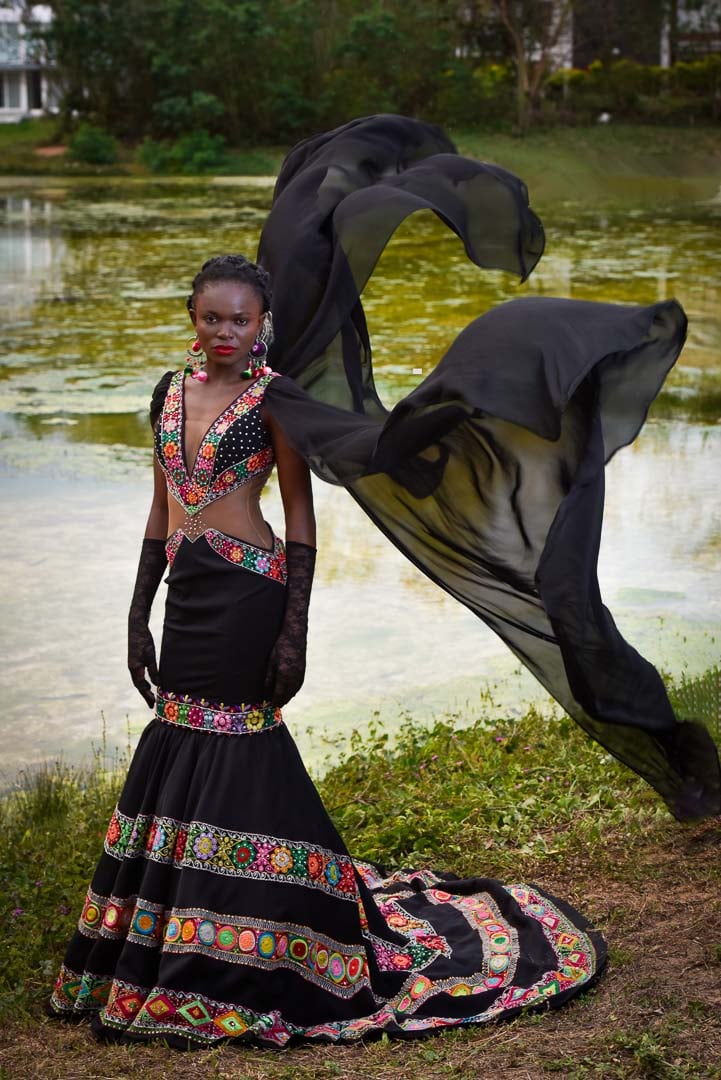
As sadly expected, the massive industrialization and globalization of fast fashion have also affected Bolivia’s embroidery traditions. They fight against this every day and work to keep these textiles alive, active, and in use.
Especially to try to stop the break in the legacy of mothers teaching their daughters, because in effect, when daughters migrate, their learning comes to an end, and so does the entire centuries-old chain.

Lucía holds a master’s degree in communication management, specializing in fashion and luxury marketing. With a profound appreciation for art, fashion, and history, she has discovered her vocation in fashion journalism. Currently, she dedicates her efforts to this field in her early twenties, residing in the dynamic city of Madrid.
Get the latest fashion, culture, and art updates, including magazine releases release parties
Sponsored Content