Runway
Antonio Acuario’s Fall-Winter "Moment III" collection challenges conventional refinement by bringing hidden seams, linings, and raw emotions to the surface. Witness a collection that treats garments not as polished objects, but as a visceral, beautiful work in progress.
Updated 04:05 pm EDT, April 3, 2026
Published 03:53 pm EDT, April 3, 2026
Photo Courtesy: © IFEMA MADRID
Antonio Acuario’s Fall-Winter "Moment III" collection challenges conventional refinement by bringing hidden seams, linings, and raw emotions to the surface. Witness a collection that treats garments not as polished objects, but as a visceral, beautiful work in progress.
Updated 04:05 pm EDT, April 3, 2026
Published 03:53 pm EDT, April 3, 2026
Photo Courtesy: © IFEMA MADRID
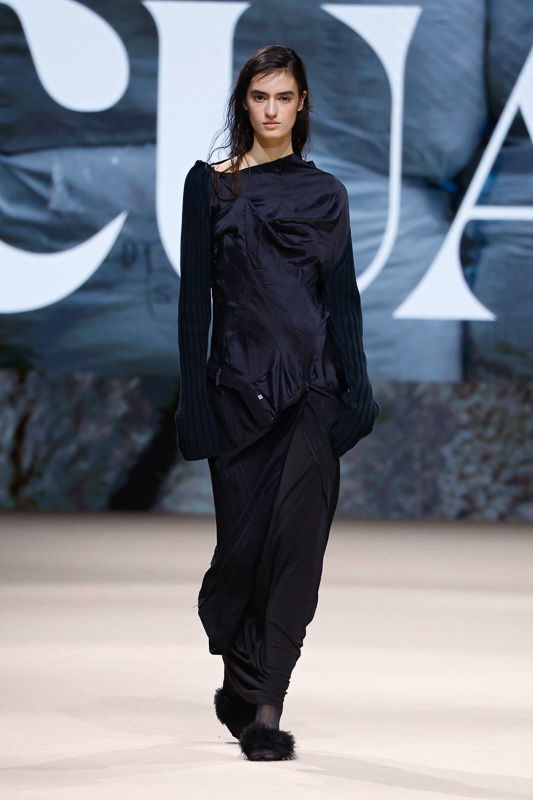
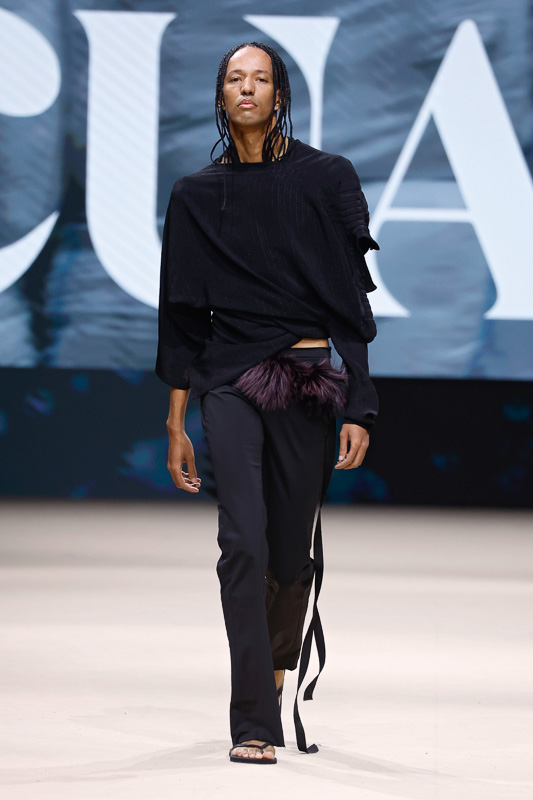
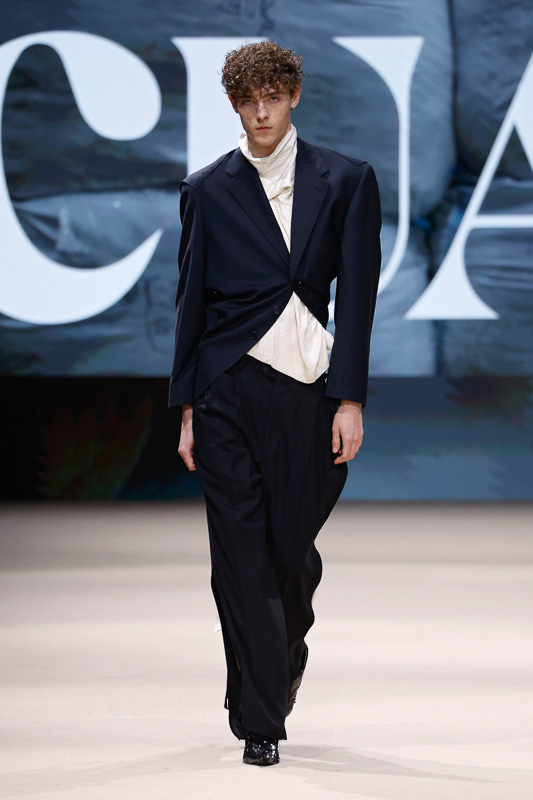
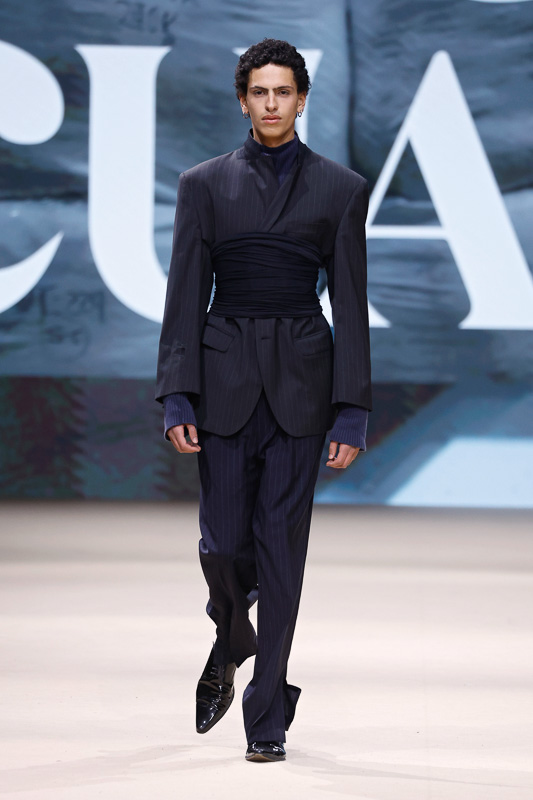
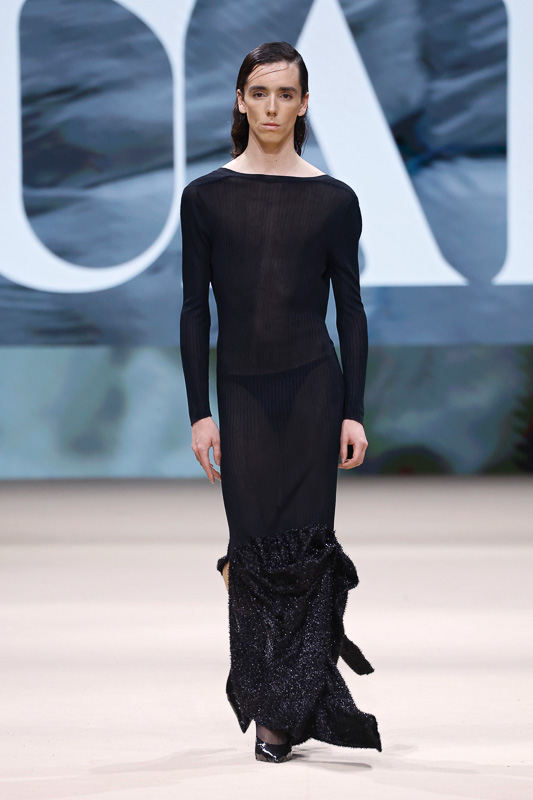
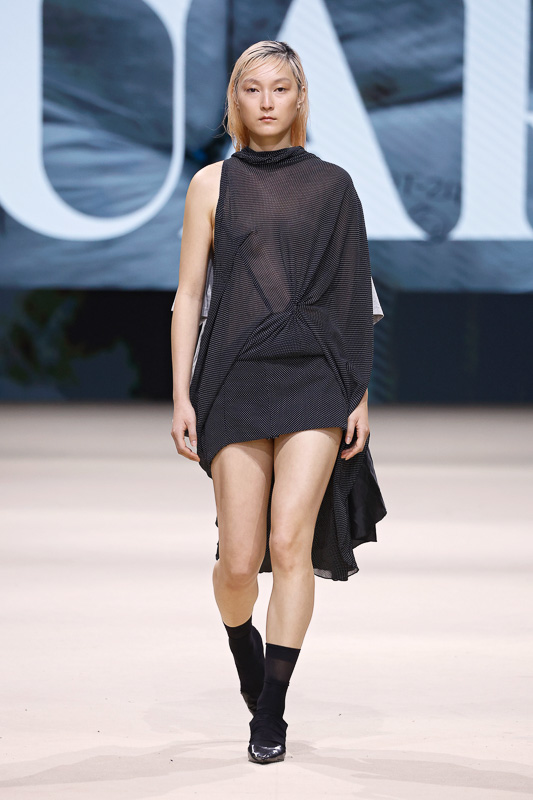
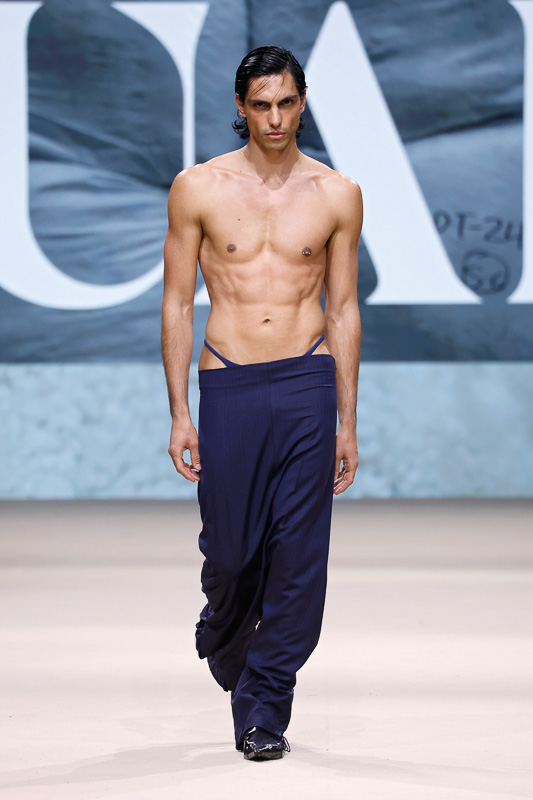
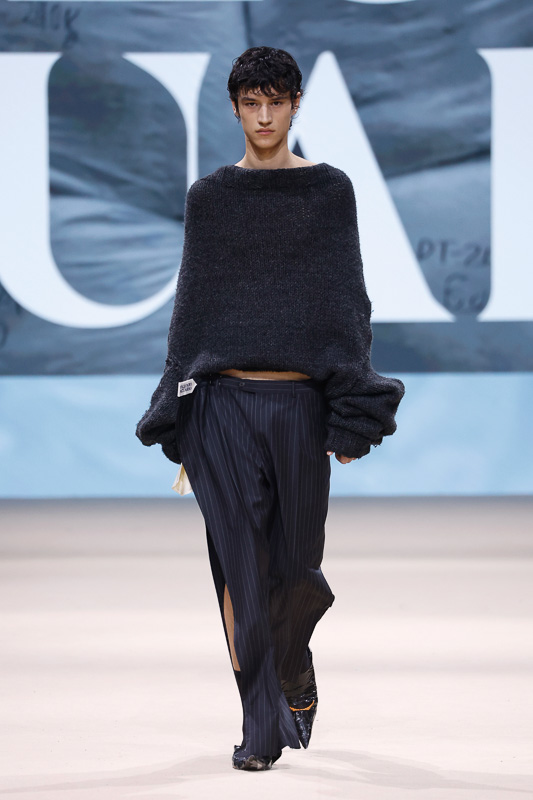
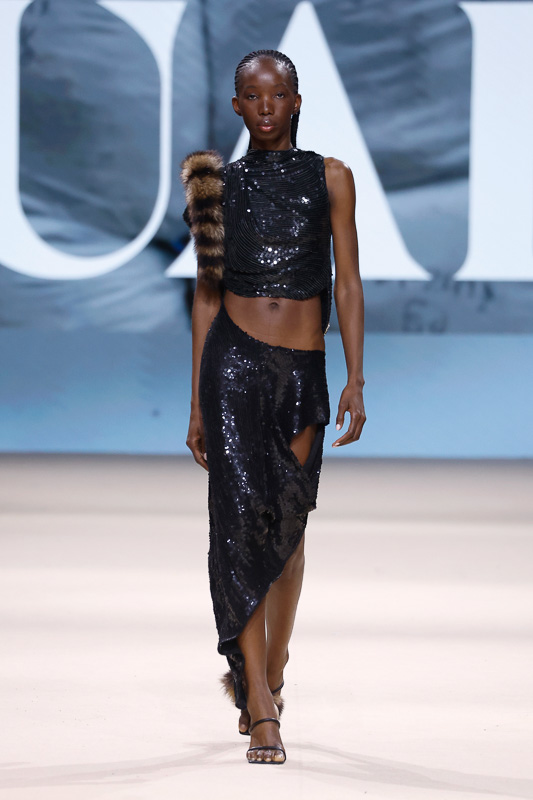
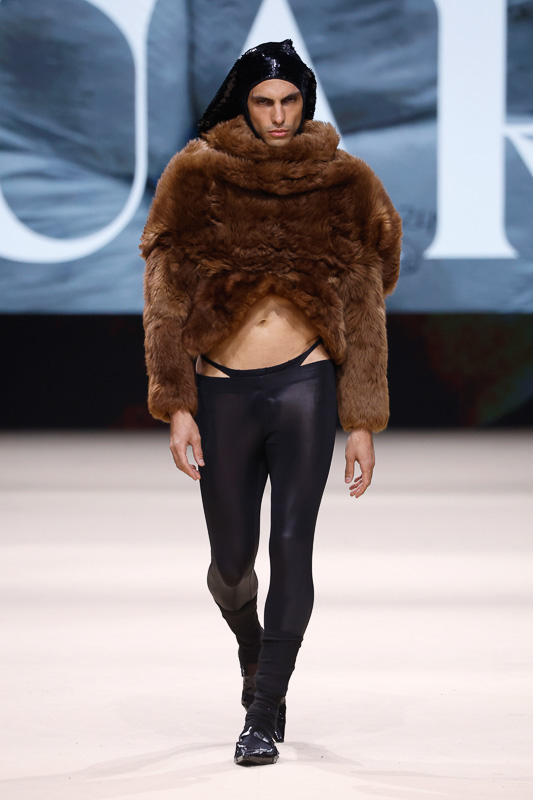
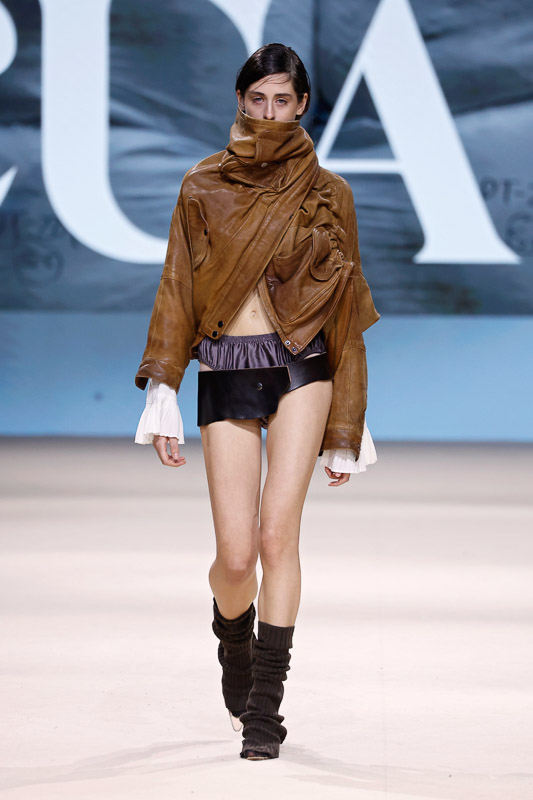
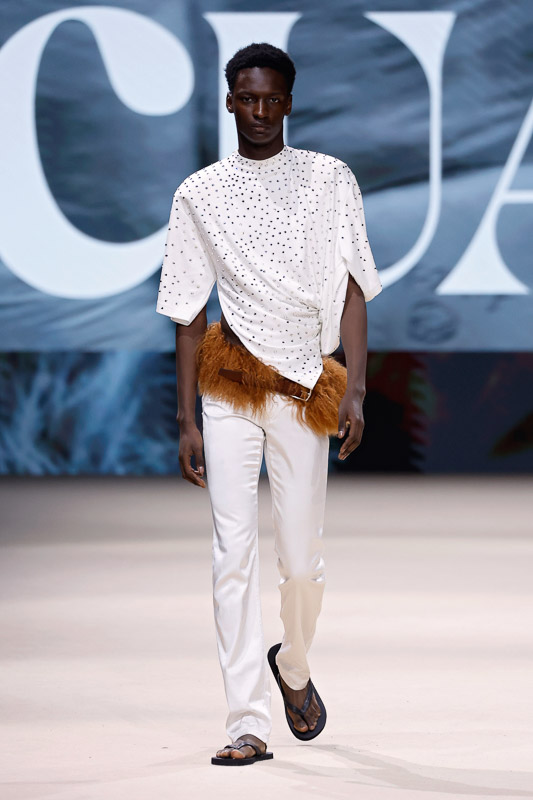
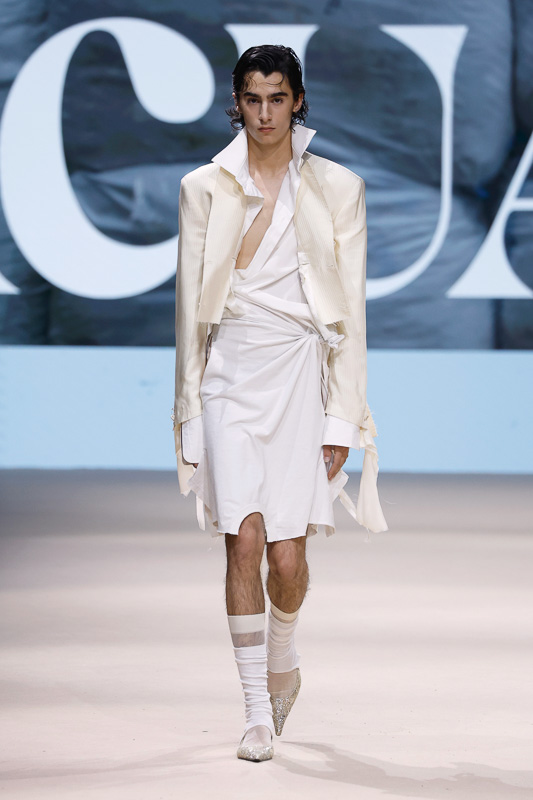
The fashion critique’s obsession with refinement and surface-level finesse took a graceful hit, observing Antonio Acuario’s Fall-Winter presentation at Mercedes-Benz Fashion Week in Madrid. The designer chose to turn inward with “Moment III” and proceeded to do something even more conventionally unsettling: he brought the interiors to the surface.
Acuario reflects on the collection being a celebration of all that he once hid, pretended not to like, or couldn’t make his own. While this deeply personal message is stark and stares observers in the eye, there is another interesting perspective that he brings to light through “Moment III”. He seems to disclaim the idea of clothing being a finished and polished object. Instead, he treats garments as a work in progress – unresolved, emotional, and becoming. The designer describes the collection as visceral, almost like a “wound releasing” memory and identity; this rawness made its presence felt, not just conceptually, but also in the very construction of some of the garments.
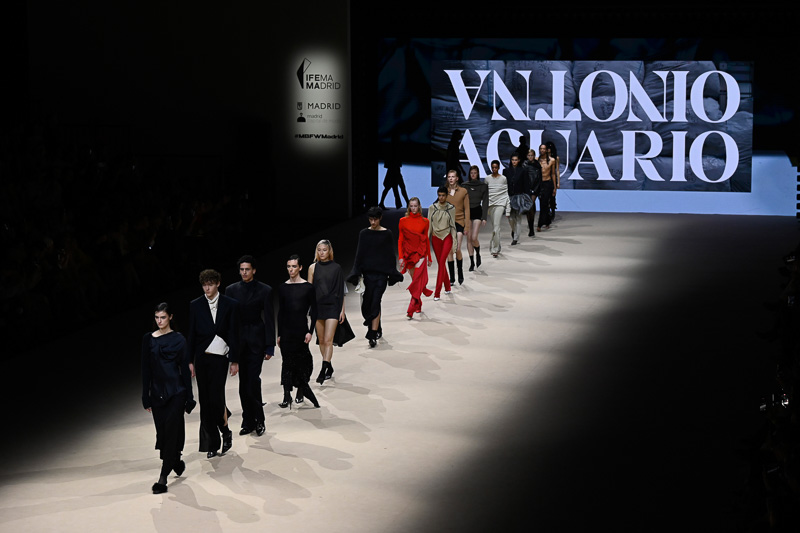
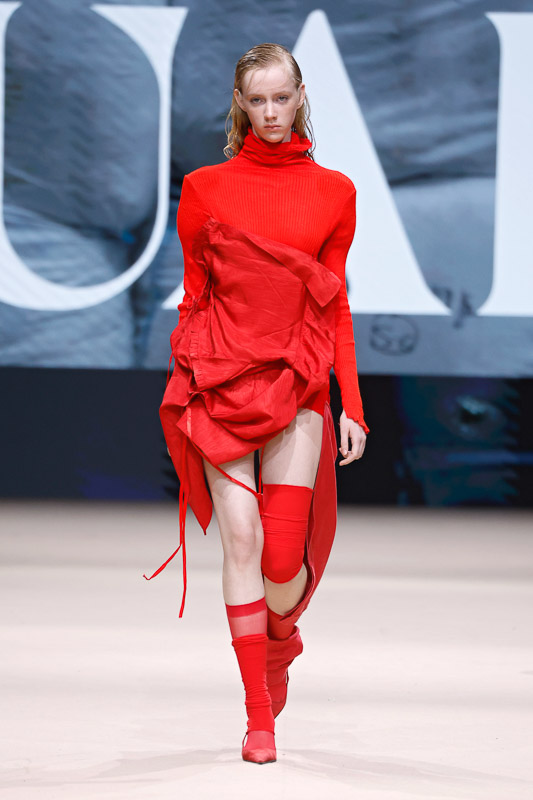
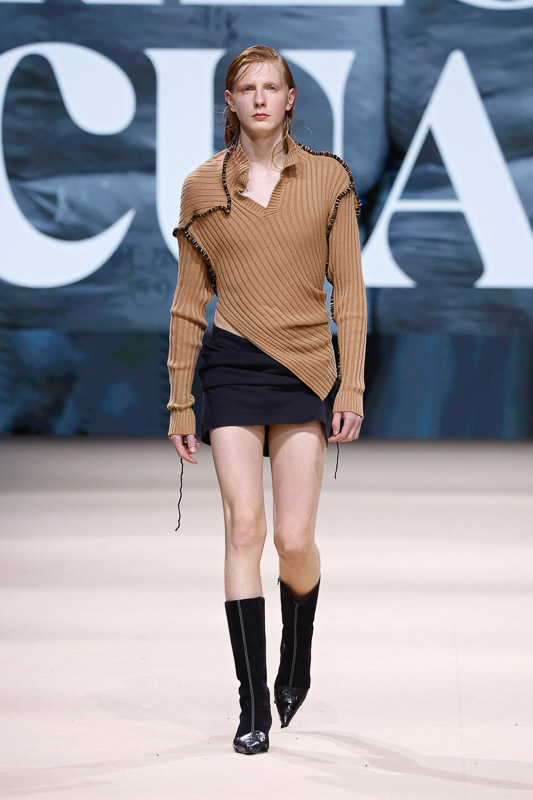
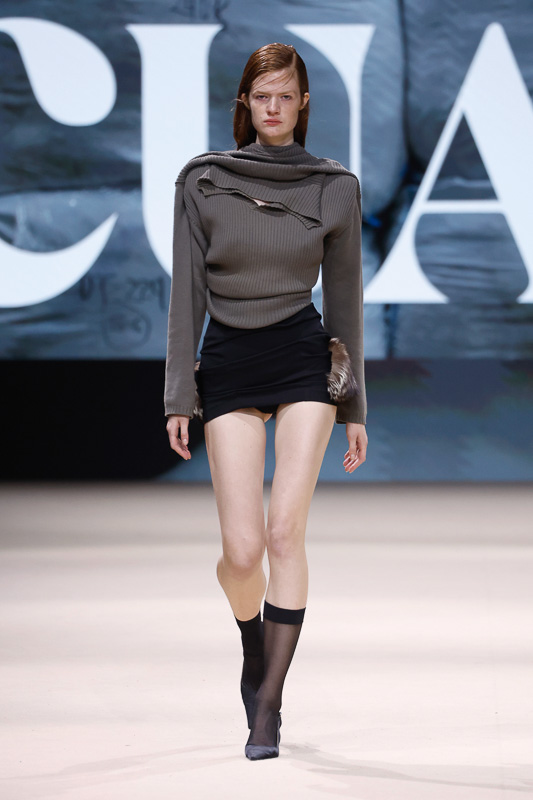
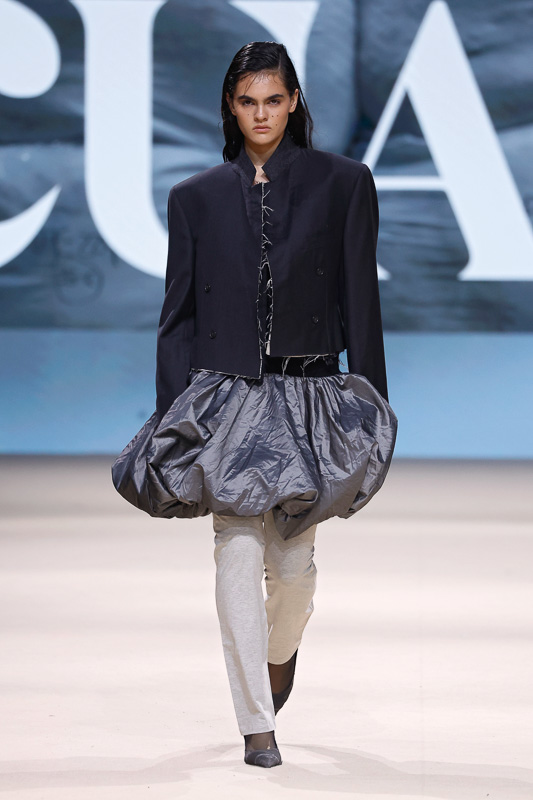
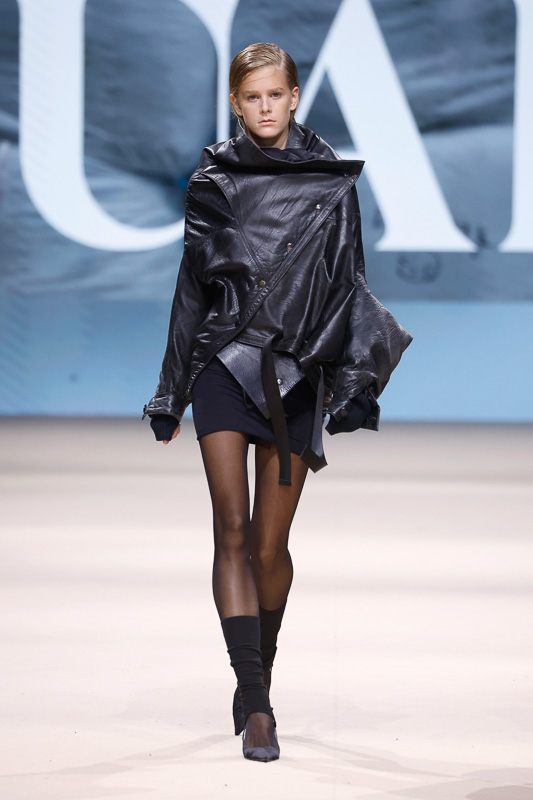
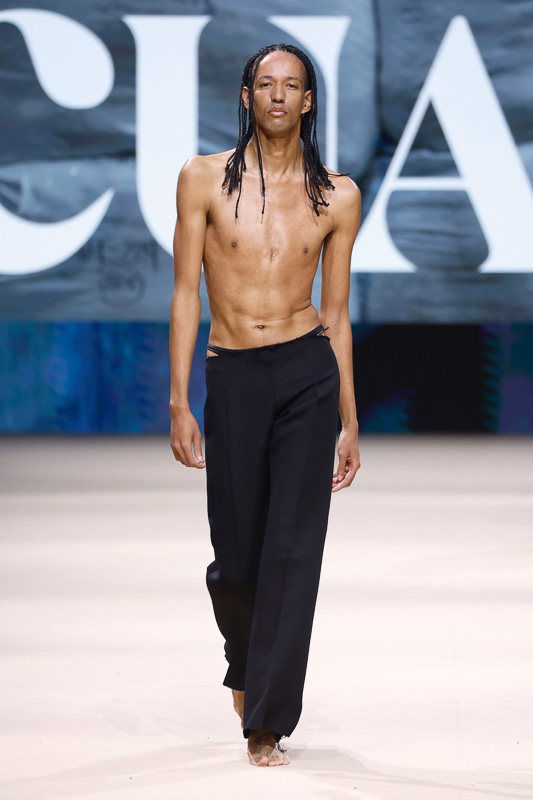
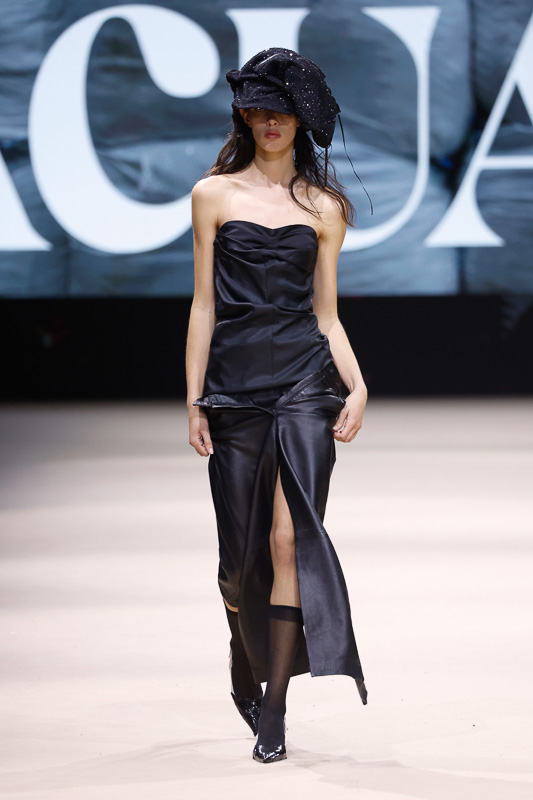
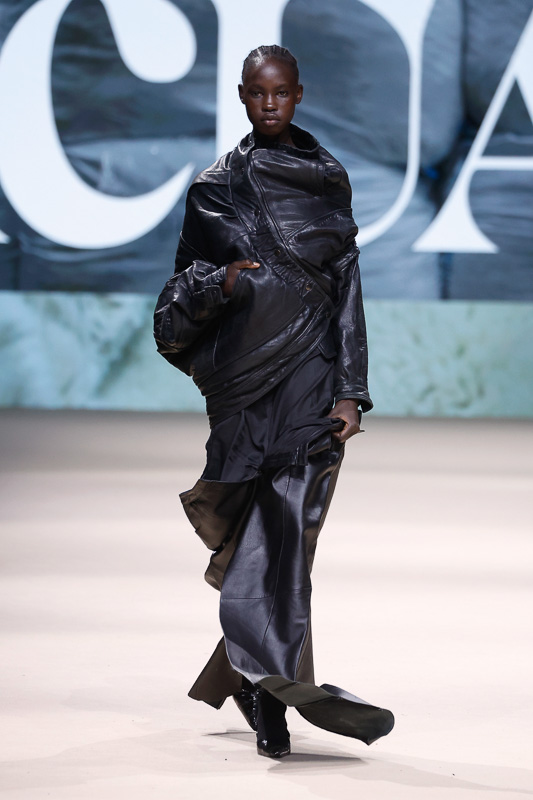
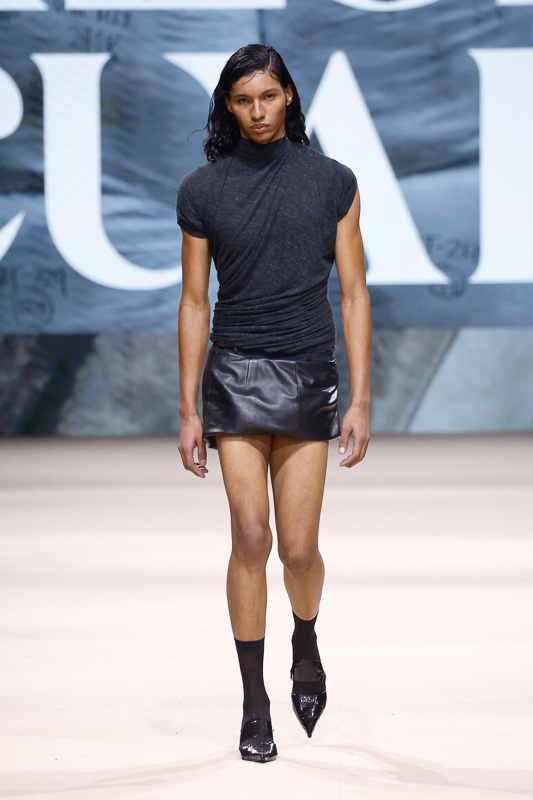
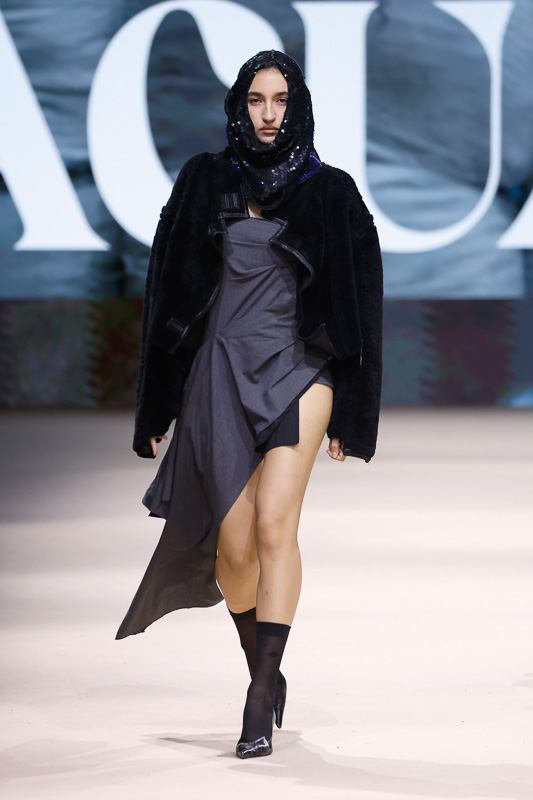
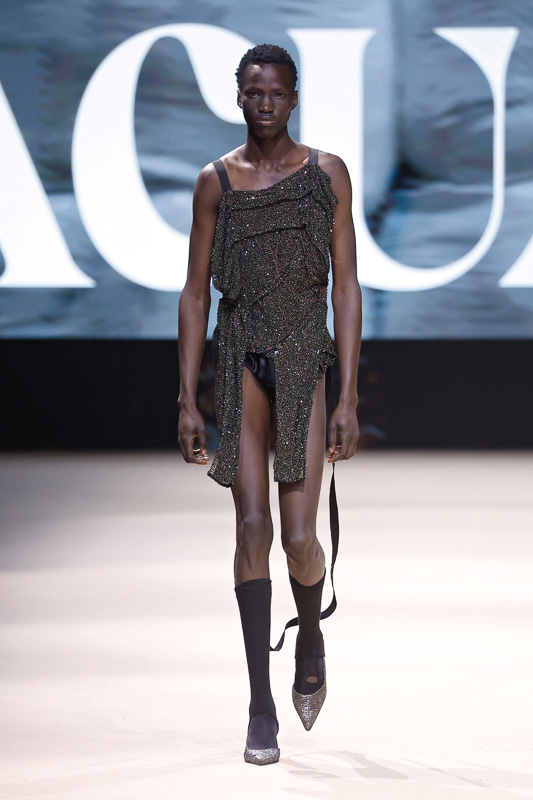
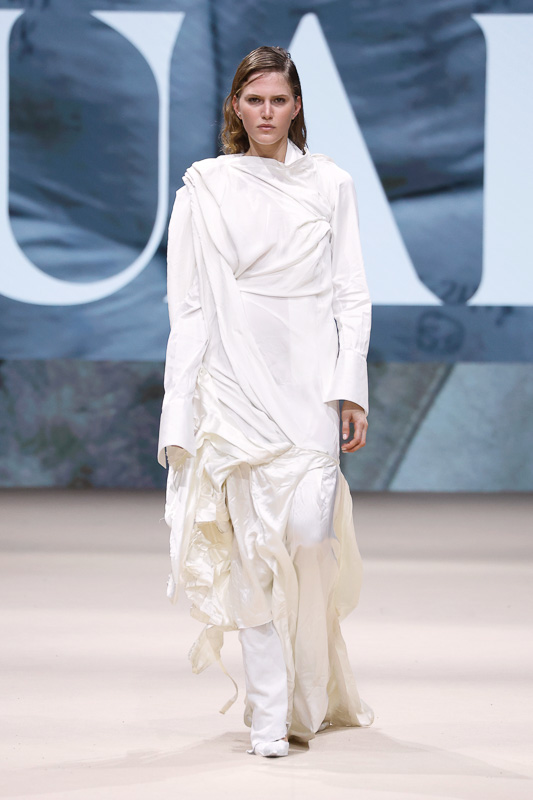
One of the most powerful, defining attributes of the collection is its exposure of what is typically concealed. Linings, seams, contrasting stitches, and other internal fabric structures, elements that we as observers are used to being hidden, are brought outward. In many pieces, these little details seem to dominate the look entirely, which is a refreshing, introspective approach.
This inversion, in effect, creates a cogent visual narrative; clothing that looks and feels inside out, literally and metaphorically.

There is also a delicate and promising tension in each of Acuario’s pieces. In keeping with the brand’s sustainability quotient, there is a deliberate use of rich, repurposed materials like wools, silks, viscoses, polyester, lurex, and leather in super 100s to 140s. This is perhaps where the collection grounds itself in technical sophistication. At the same time, the garments’ resistance to refinement lends a beautiful emotional weight to the entire assemblage. The deliberately exposed seams, interlocks, and stitches feel symbolically unresolved, almost as though they are still becoming something else. The outcome is a thought-provoking push and pull between control and release that elevates the impact.
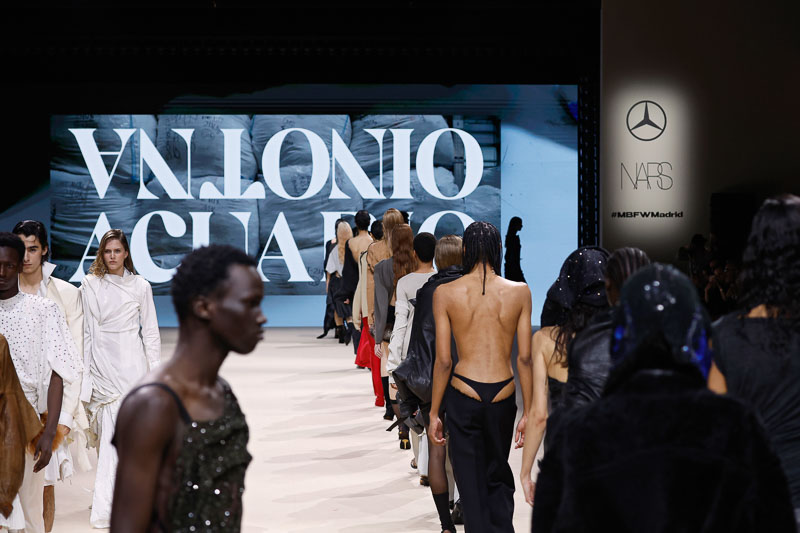
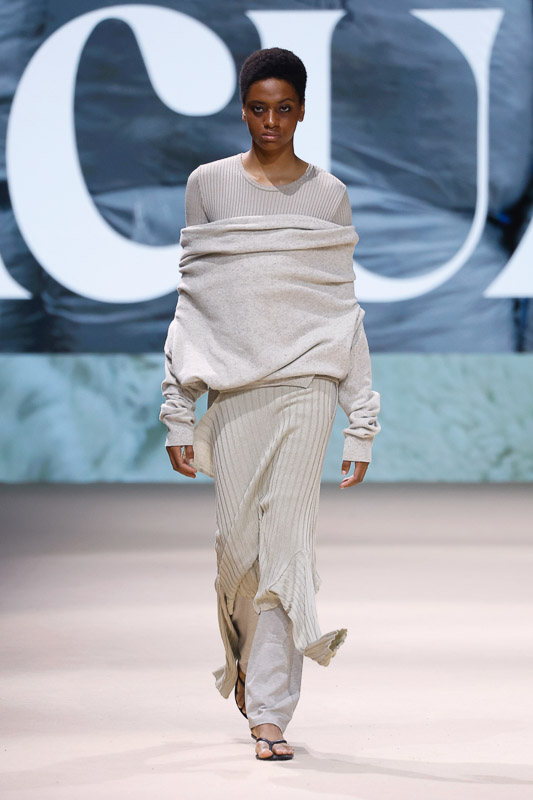
With a notable focus on unmistakably polished colors like navy, blacks, greys, whites, and quick pops of scarlet, complemented by unexpected drapes, twists, knots, cutouts, and expression, the collection feels almost perfect in correlation to Acuario’s message. However, there is an occasional ambiguity in the edit. The exposed details and the layered textures, although central to the narrative, sometimes lack the hierarchy or visual order that one expects. Without the element of restraint, the eye struggles to focus, making certain looks feel more dense than deliberate.
Perhaps, this discomfort is the point.
Either way, it is clear that Acuario doesn’t necessarily design for ease. His work traverses more introspective realms, challenging norms or expectations that define fashion as refined, conventionally wearable, or even fully understood.
Ultimately, “Moment III” is a beautiful revelation that is more about thought and transformation than clothes themselves. The collection blends the nuances of garment and emotion, without the pressure of outcome. It asks what happens when what we hide becomes the very thing we choose to show. While not every piece lands the thought with precision, it does just enough to provoke.
After all, the power of the collection lies in its honesty more than anything else.

An introverted personal stylist and writer, Bhagya has a flair for dissecting runway looks and translating them for real life. When she’s not analyzing colors, silhouettes and putting together OOTDs, she spends time reading, shopping, and taking care of her little fur-gang.
Get the latest fashion, culture, and art updates, including magazine releases release parties
Sponsored Content