

Culture
In some cities, time is measured and efficient; in others, it stretches with connection. Living between them shows how we experience life differently.
Updated 11:29 pm EST, February 25, 2026
Published 10:10 am EST, February 25, 2026
In some cities, time is measured and efficient; in others, it stretches with connection. Living between them shows how we experience life differently.
Updated 11:29 pm EST, February 25, 2026
Published 10:10 am EST, February 25, 2026
I had heard it long before I ever left Addis Ababa: time moves faster when you live abroad. Friends and family who had studied or worked in the UK, the US, or other countries would tell me how weeks blurred, days disappeared, and the clock seemed relentless. My friend in the US joked about losing track of months in a single semester; a cousin in the UK described arriving on Friday feeling like Monday. I nodded and filed it away, but I didn’t really understand it until I moved to London myself.

London is where I began to understand that it isn’t only life that moves quickly; time itself feels altered, or at least my body reacts to it as if it has. Maybe time is innocent in all this. Here, days slide into each other so quietly that I sometimes struggle to remember where one ends and the next begins. The calendar is full, carefully structured, and yet something feels suspended. I am constantly occupied, moving from one obligation to the next, but rarely aware of time passing in any meaningful way.
It took me a while to understand why. Here, time is mostly spent on busyness, tasks, and individual routines that must be completed and optimized. You wake up, move through the city, meet deadlines, and return home. Everything works, and everything moves. Yet much of life happens alone, even when you are surrounded by people. On some days, I realize I have spoken out loud only to order coffee.
In Addis Ababa, I am not sure if time ever felt like this. Life there is built around people. Community pulls you into the present whether you intend to be there or not. Someone might drop by unannounced; a conversation often stretches longer than planned. A quick visit can become a full three-step Ethiopian coffee ceremony, the first round poured strong and smoky, the second softer, the third lingering, and by the time the cups are cleared, the afternoon has changed without anyone announcing that hours have passed.
You feel every minute because you are sharing it. Time stretches and bends; you inhabit it together rather than manage alone.
I didn’t immediately have language for what I was feeling. I only knew that in London, I could move through an entire day without a single unscripted interaction. I could sit on the Tube, stand on a platform, walk past hundreds of people, and never really arrive anywhere except the next task.

Once, I rode three stops past mine because I was so deep inside my own schedule that the city felt like background noise. That repetition made me question whether the pace itself was changing my sense of time. Trying to understand it, I came across the work of anthropologist Marc Augé, who writes about “non-places,” spaces built for transit and transaction rather than relationship. Airports, train stations, supermarkets, corridors. Places designed for movement. Reading him, I realized how much of London I experience this way. In non-places, you are not a neighbor or a friend; you are a passenger, a customer, or a commuter. Time is something to manage efficiently, not something to sink into. The theory made sense, but it also felt slightly clinical compared to what I was actually feeling, which was a somewhat of dislocation.
That idea helped me see the city differently. The precision of transport networks, the emphasis on punctuality, and the constant awareness of schedules do more than organize daily life. They discipline time, making it measurable and accountable. When everything runs on time, you start to feel as though you must as well. Looking back at Addis Ababa, I began to see that the contrast was not only about speed but also structure.
Addis rarely feels like a collection of non-places. The streets, markets, and neighborhoods blur into one another through conversation. A quick errand can stretch into an hour because you meet someone you know. Waiting rarely feels empty as it fills itself with interaction. Even traffic, frustrating as it is, becomes social.
Later, I learned there are terms for this difference: monochronic and polychronic time. I had to read the definitions twice before they settled. Monochronic systems, common in much of Western Europe and North America, organize life through schedules, deadlines, and sequential tasks. Polychronic systems, found across many African, Asian, and Latin American contexts, allow multiple things to happen at once and prioritize relationships over strict timing.
Reading this, I recognized both cities in those descriptions, and I recognized myself shifting depending on where I am, which unsettled me more than the theory did.
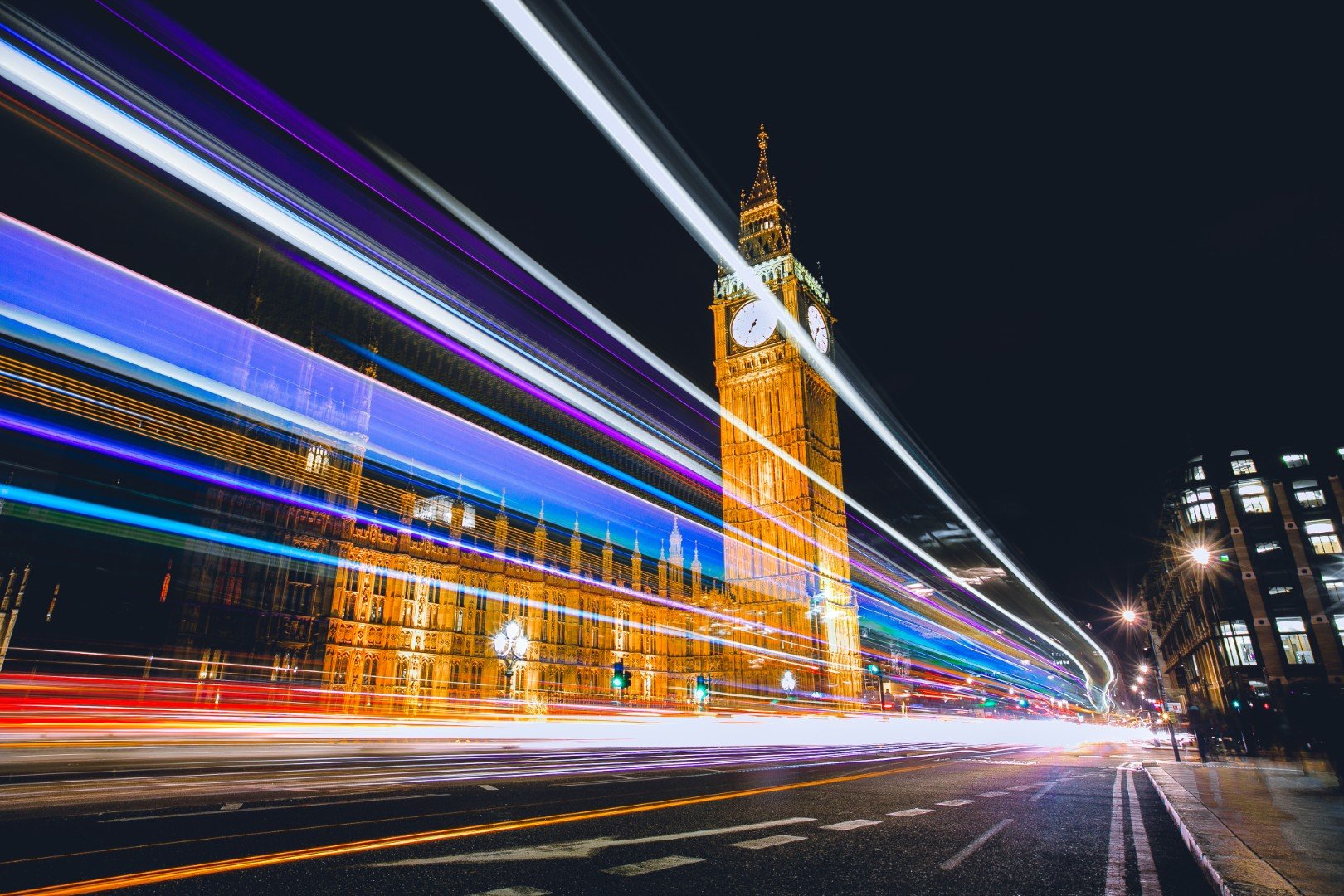
Infrastructure, history, and economics influence rhythms. London’s efficiency reflects industrialization, global finance, and the demands of a densely connected metropolis. Addis carries different historical and social priorities, where community networks often hold more weight than the clock. Neither approach exists by accident, as each one reveals what a society chooses to optimize. Still, I sometimes wonder if I am romanticizing one and over-disciplining the other.
Living between them has made the trade-offs visible. Structured time offers autonomy and space for self-definition. It can also normalize isolation and make exhaustion feel like achievement. Relational time offers warmth and shared presence. It can also blur boundaries and slow institutional progress. Both systems give something; both take something. Some days I crave the efficiency. Other days, I miss the interruption.
Some days I fear that if I get too good at keeping time here, I will forget how to sit still there.
The more I live between these worlds, the less I believe that time itself moves differently. What moves differently are the structures around it, and the meanings we attach to being on time, running late, waiting, lingering, or rushing. Some days, I fear that if I get too good at keeping time here, I will forget how to sit still there.

A tireless seeker of knowledge, an ambivert, a feminist, and, coincidentally, a writer. She is a psychology graduate pursuing her writing passion by working as a communication manager in Ethiopia. Writing is a wall she built around herself to hide her other personalities, and words. When not writing, Pomy loves to sit alone and wander in her imaginative mind.
Get the latest fashion, culture, and art updates, including magazine releases release parties
Sponsored Content
